Introduction
The Sacred Pika, known scientifically as Ochotona sacraria, is a small mammal that belongs to the family Ochotonidae. Often found in the rugged terrains of Asia, this elusive creature has intrigued scientists and wildlife enthusiasts alike due to its unique adaptations and ecological role. Pikas, in general, are closely related to rabbits and hares, but they have distinct features that set them apart. This article delves into the various aspects of the Sacred Pika, from its physical characteristics to its habitat, behavior, and conservation status.
Physical Description
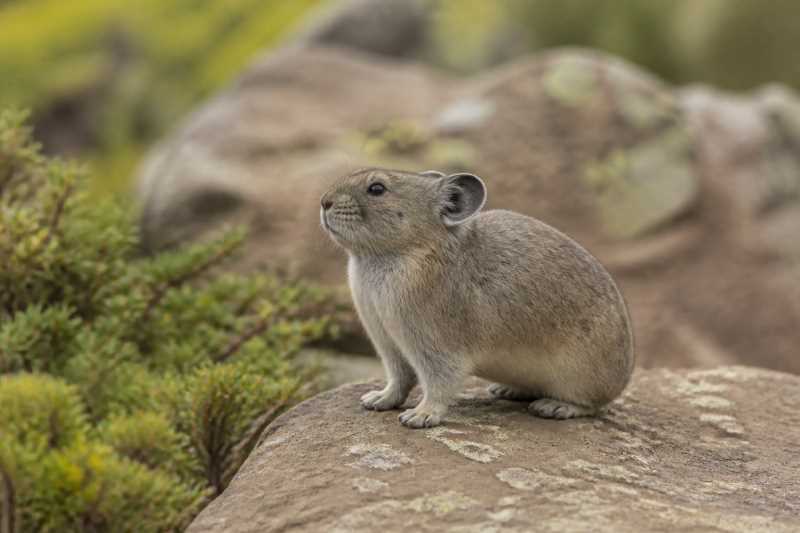
The Sacred Pika is a small, herbivorous mammal, typically measuring between 15 to 20 centimeters in length. It is characterized by its round body, short limbs, and lack of an external tail. The fur of the Sacred Pika is thick and soft, providing insulation against the harsh climates of its mountainous habitat. The coloration typically ranges from gray to brown, offering camouflage against rocky backgrounds. Its large, rounded ears and short, blunt nose are key identifying features that help in thermoregulation and sensing the environment.
Range and Habitat
The Sacred Pika is predominantly found in the high-altitude regions of the Himalayas and other mountainous areas in Asia. These pikas thrive in alpine meadows and rocky slopes, where they can find ample food and shelter. The elevation range for this species is typically between 2,500 to 5,000 meters above sea level. The harsh and remote environments they inhabit make them less susceptible to human interference, though climate change poses a significant threat to their habitat.
Behavior and Diet
Sacred Pikas are diurnal creatures, active during the day in search of food. They are known for their distinctive calls, which serve as communication among individuals. These animals are herbivores, feeding primarily on grasses, herbs, and other vegetation available in their alpine habitats. During the warmer months, they gather and store food to prepare for the winter, a behavior known as "haypiling." This adaptation is crucial for their survival during the colder months when food is scarce.
Identification Tips (Field Recognition Cues)
Identifying the Sacred Pika in the wild involves looking for certain key features. Their small size, rounded ears, and absence of an external tail are primary indicators. Observers should note their distinct vocalizations, which are often heard before the animal is seen. Additionally, the presence of haypiles near rocky crevices can be a sign of pika activity. Their coloration allows them to blend into their surroundings, so careful observation is necessary to spot them against rocky backgrounds.
Conservation Status (With Threats and Protections)
The Sacred Pika is currently listed as a species of Least Concern by the IUCN, but this does not mean it is free from threats. Climate change, leading to habitat loss and alteration, is the most significant threat to this species. As temperatures rise, the suitable habitat for pikas shrinks, forcing them to migrate to higher altitudes. Predation by birds of prey and other mammals also poses risks. Conservation efforts focus on habitat protection and monitoring the impacts of climate change.
Frequently Asked Questions
Why is this species unique?
The Sacred Pika is unique due to its specialized adaptations for high-altitude survival. Its ability to thrive in harsh, cold environments and its behavior of haypiling for winter survival set it apart from other small mammals.
How does climate change affect the Sacred Pika?
Climate change affects the Sacred Pika by altering its mountainous habitat. Rising temperatures reduce the availability of suitable environments, forcing pikas to migrate to higher, cooler areas. This shift can lead to reduced food availability and increased competition.
What role does the Sacred Pika play in its ecosystem?
The Sacred Pika plays a crucial role in its ecosystem by aiding in seed dispersion and serving as prey for larger predators. Its haypiling behavior contributes to the nutrient cycle in alpine regions, supporting plant growth and biodiversity.
How can we help protect the Sacred Pika?
Protecting the Sacred Pika involves focusing on climate change mitigation and habitat preservation. Supporting conservation organizations and promoting policies that address climate change can help ensure the survival of this species.
Related posts