Introduction
The Southern Greater Glider (Petauroides volans) is a remarkable and enchanting marsupial native to the forests of eastern Australia. Known for its expert gliding abilities and nocturnal habits, this species captivates both wildlife enthusiasts and researchers. As one of the largest gliding mammals, the Southern Greater Glider plays a vital role in its ecosystem, contributing to forest health and biodiversity. However, like many other species, it faces challenges from habitat loss and climate change, making conservation efforts critical to its survival.
Physical Description
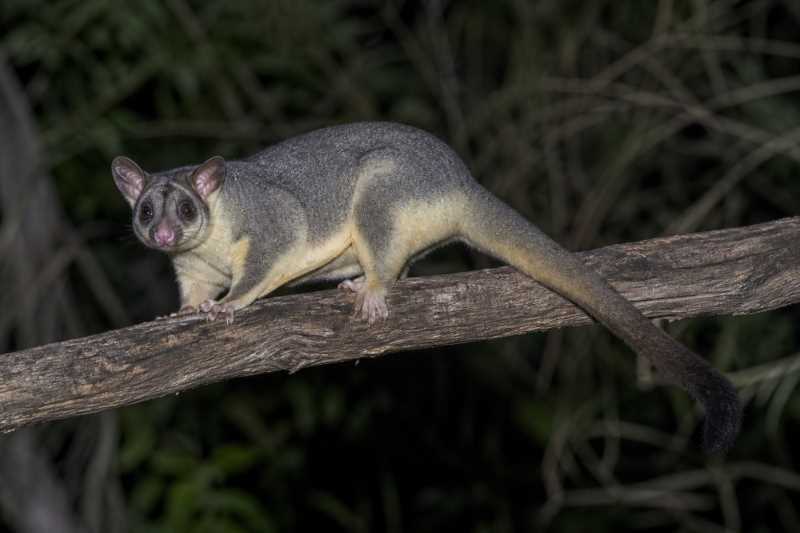
The Southern Greater Glider is distinguished by its large size and distinctive appearance. Adults typically weigh between 1 to 1.5 kilograms and measure up to 40 centimeters in head-body length, with an impressive tail reaching up to 60 centimeters. This tail is not only long but also bushy, aiding in balance and agility during gliding.
The most striking feature of the Southern Greater Glider is its large, rounded ears and prominent eyes, which are perfectly adapted for its nocturnal lifestyle. Its dense, soft fur varies in color from dark brown to creamy white, providing excellent camouflage in the forest canopy. This fur also serves as insulation, allowing the glider to maintain body temperature during the cooler nights.
Equipped with a membrane of skin stretching from its elbows to its ankles, the Southern Greater Glider is capable of gliding up to 100 meters between trees. This adaptation is essential for foraging and evading predators, as it allows the glider to move efficiently through its arboreal habitat.
Range and Habitat
The Southern Greater Glider is primarily found in the eucalypt forests of southeastern Australia, ranging from Victoria to southern Queensland. It prefers mature forests with a mix of tree species, which provide ample food resources and suitable den sites. These forests offer the complex structure necessary for gliding, with tall trees and continuous canopy cover.
This species thrives in both wet and dry sclerophyll forests, often inhabiting areas with high rainfall and dense understory vegetation. The presence of large, hollow-bearing trees is crucial for the Southern Greater Glider, as these serve as daytime refuges and nesting sites. The availability of these trees is a key factor influencing glider populations, as they provide protection from predators and harsh weather conditions.
Behavior and Diet
The Southern Greater Glider is primarily a solitary and nocturnal creature, emerging from its daytime den at dusk to forage for food. Its diet consists mainly of eucalyptus leaves, which are low in nutrients and require specialized adaptations for digestion. The glider possesses a large cecum, where symbiotic bacteria break down the fibrous leaves, allowing for nutrient absorption.
In addition to eucalyptus leaves, the Southern Greater Glider occasionally consumes flowers, buds, and other plant material, though these form a minor part of its diet. Its feeding habits are highly selective, often focusing on specific tree species or individual trees within its home range.
Communication among Southern Greater Gliders is primarily through vocalizations, scent marking, and physical displays. These interactions are most evident during the breeding season, which occurs from March to June. Following a gestation period of approximately 44 days, females give birth to a single young, which remains in the pouch for about four months before transitioning to riding on the mother’s back.
Identification Tips (Field Recognition Cues)
Identifying the Southern Greater Glider in the wild can be challenging due to its nocturnal nature and preference for high tree canopies. However, several key characteristics can aid in its identification:
- Size and Shape: Look for a large, fluffy-tailed mammal with a distinctive gliding membrane, visible when the animal is in motion.
- Coloration: Note the color variation in fur, ranging from dark brown to creamy white, which may help in spotting against different forest backgrounds.
- Movement: Observe for gliding behavior between trees, particularly in the early evening or before dawn when the glider is most active.
- Vocalizations: Listen for soft, repetitive calls that may indicate the presence of a Southern Greater Glider nearby.
- Habitat: Focus on mature eucalypt forests with high density of hollow-bearing trees, which are preferred habitats for this species.
Conservation Status (With Threats and Protections)
The Southern Greater Glider is currently listed as vulnerable under Australia’s Environment Protection and Biodiversity Conservation Act 1999. This status reflects the significant threats the species faces, primarily from habitat destruction and fragmentation due to logging, land clearing, and urban expansion.
Climate change poses an additional threat, altering the availability of suitable habitats and food resources. Increased temperatures and changes in rainfall patterns may further impact the glider’s survival, particularly in areas already experiencing habitat degradation.
Conservation efforts are focused on preserving and restoring critical habitats, implementing sustainable forestry practices, and protecting key areas from development. Research and monitoring programs are essential to understanding population trends and informing management strategies.
In addition to national protections, community-led initiatives and awareness campaigns play a crucial role in supporting the conservation of the Southern Greater Glider. Collaborative efforts between government agencies, non-profit organizations, and local communities are vital to ensuring the long-term survival of this unique marsupial.
Frequently Asked Questions
What is the primary diet of the Southern Greater Glider?
The Southern Greater Glider primarily feeds on eucalyptus leaves. It has specialized adaptations for digesting these low-nutrient leaves, allowing it to thrive in eucalypt forests.
How does climate change affect the Southern Greater Glider?
Climate change affects the Southern Greater Glider by altering its habitat and food availability. Changes in temperature and rainfall can impact forest health, reducing suitable living conditions for the glider.
Where can I see a Southern Greater Glider in the wild?
You can see a Southern Greater Glider in the mature eucalypt forests of southeastern Australia, particularly in areas with dense canopy cover and abundant hollow-bearing trees.
Why is the Southern Greater Glider considered vulnerable?
The Southern Greater Glider is considered vulnerable due to habitat loss, fragmentation, and the impacts of climate change. Conservation efforts are crucial to address these threats.
How can we help in the conservation of the Southern Greater Glider?
Supporting habitat preservation initiatives, participating in conservation programs, and raising awareness about the species’ plight are effective ways to aid in the conservation of the Southern Greater Glider.
Related posts