Sokolov’s Ethiopian Rat (Stenocephalemys sokolovi)
Introduction
Sokolov’s Ethiopian Rat, scientifically known as Stenocephalemys sokolovi, is a fascinating rodent species endemic to the highlands of Ethiopia. This elusive mammal is part of the Muridae family, which is renowned for its diversity and adaptability. As a species with a limited range, Stenocephalemys sokolovi provides unique insights into the ecological dynamics of Ethiopian highlands and the evolutionary pathways of rodents in isolated environments. This article delves into various aspects of Sokolov’s Ethiopian Rat, including its physical characteristics, habitat preferences, behavior, and conservation status.
Physical Description
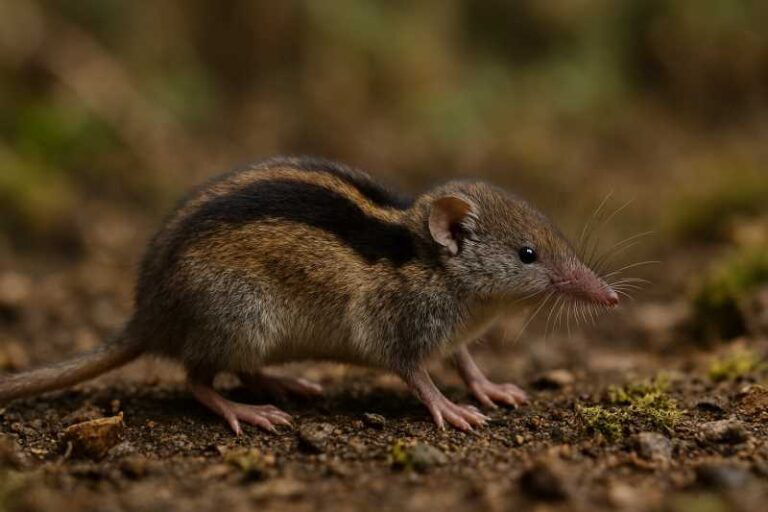
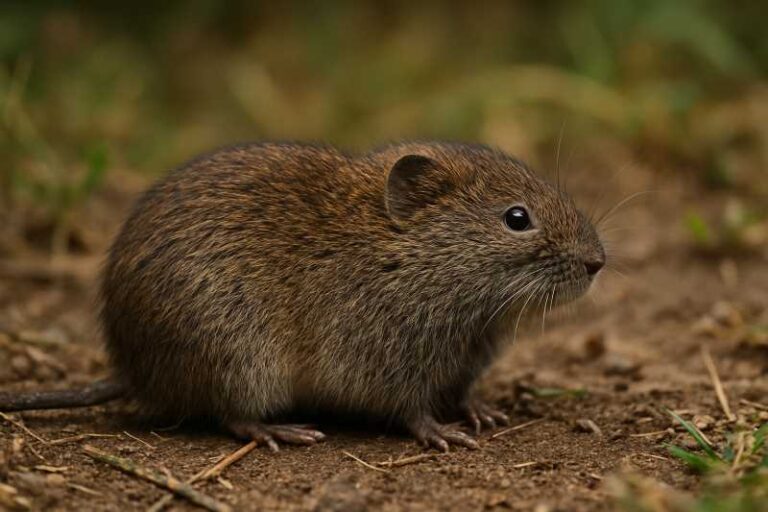
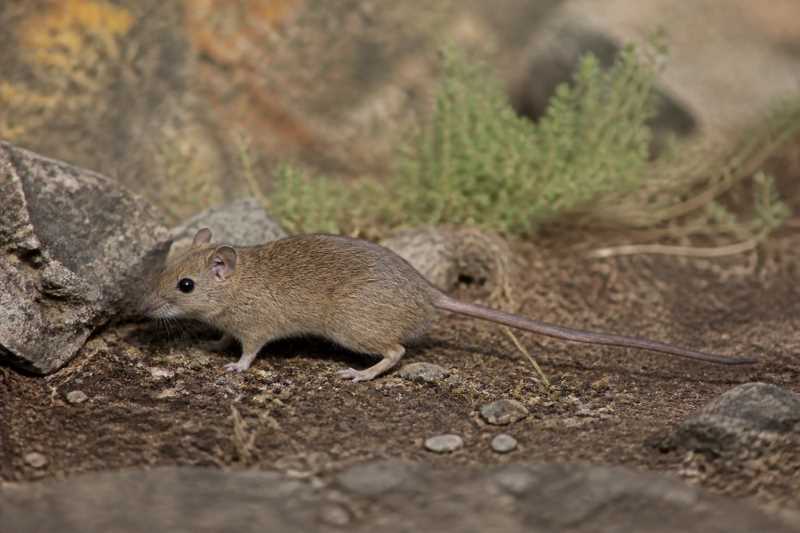
Sokolov’s Ethiopian Rat is characterized by its medium size and distinctive features, which make it relatively easy to identify among the small mammals of the Ethiopian highlands. Adult individuals typically measure 15 to 20 centimeters in body length, with a tail that adds an additional 10 to 15 centimeters. The fur is predominantly brown, providing excellent camouflage against the rocky and vegetative landscape of its habitat.
The species has a notably elongated head, which is a defining characteristic that sets it apart from other rodents in the region. This elongated head is not merely an aesthetic feature but is believed to aid in its burrowing behavior. The ears are small and rounded, while the eyes are relatively large, suggesting a reliance on visual cues, possibly during dawn and dusk when the animal is most active.
Range and Habitat
Sokolov’s Ethiopian Rat is endemic to the highlands of Ethiopia, where it occupies a narrow range. These highlands are characterized by a mix of grassland, shrubland, and rocky outcrops, providing a diverse array of microhabitats. The species is primarily found at elevations between 2,000 and 3,500 meters, where the climate is cooler and more humid compared to the lowlands.
The specific distribution within the Ethiopian highlands remains poorly documented due to the species’ elusive nature and the challenging terrain. However, it is known to prefer areas with abundant ground cover, such as dense grasses and shrubs, which offer protection from predators and harsh weather conditions.
Behavior and Diet
Sokolov’s Ethiopian Rat exhibits a largely crepuscular activity pattern, being most active during the early morning and late afternoon. This behavior helps it avoid the midday heat and potential predators. The species is primarily terrestrial, although it is an adept climber and may occasionally forage in vegetation above ground level.
The diet of Stenocephalemys sokolovi is omnivorous, consisting of seeds, fruits, insects, and occasionally small vertebrates. This varied diet allows it to adapt to the seasonal availability of food resources in its highland habitat. The species employs a foraging strategy that involves both digging and surface scavenging, utilizing its strong forelimbs and acute sense of smell to locate food.
Identification Tips
Identifying Sokolov’s Ethiopian Rat in the field can be challenging due to its elusive nature and the presence of similar species in its habitat. However, there are several key features to look for:
- Head Shape: The elongated head of Stenocephalemys sokolovi is a distinctive feature that helps distinguish it from other rodents.
- Fur Coloration: Look for the characteristic brown fur, which blends well with the highland terrain.
- Tail Length: The tail is typically longer than the body, aiding in balance and agility.
- Activity Patterns: Observing activity during crepuscular hours can increase chances of identification.
- Habitat Preference: Focus on areas with dense ground cover and rocky outcrops within the Ethiopian highlands.
Conservation Status
Currently, the conservation status of Sokolov’s Ethiopian Rat is not well-documented, largely due to its limited range and the lack of comprehensive surveys. However, like many endemic species, it faces potential threats from habitat loss and degradation.
Threats
- Habitat Destruction: Agricultural expansion and deforestation pose significant risks to the species’ habitat.
- Climate Change: Altered weather patterns may affect food availability and habitat conditions.
- Human Encroachment: Increasing human populations in the highlands could lead to more frequent disturbances.
Protections
Efforts to conserve Sokolov’s Ethiopian Rat rely heavily on preserving its natural habitat. Establishing protected areas and promoting sustainable land-use practices are crucial steps in safeguarding this unique species. Further research is needed to better understand its ecological role and to develop targeted conservation strategies.
Frequently Asked Questions
What is the scientific name of Sokolov’s Ethiopian Rat?
The scientific name of Sokolov’s Ethiopian Rat is Stenocephalemys sokolovi. It is a member of the Muridae family, which includes a diverse array of rodent species.
Where can Sokolov’s Ethiopian Rat be found?
Sokolov’s Ethiopian Rat is endemic to the highlands of Ethiopia, typically found at elevations between 2,000 and 3,500 meters. It prefers areas with dense ground cover and rocky terrain.
What does Sokolov’s Ethiopian Rat eat?
The diet of Stenocephalemys sokolovi is omnivorous, including seeds, fruits, insects, and small vertebrates. Its varied diet helps it adapt to seasonal changes in food availability.
What threats does Sokolov’s Ethiopian Rat face?
The primary threats to Sokolov’s Ethiopian Rat include habitat destruction due to agricultural expansion, climate change, and human encroachment. Conservation efforts focus on habitat preservation and sustainable land-use practices.
How can I identify Sokolov’s Ethiopian Rat in the field?
Key identification features include its elongated head, brown fur, long tail, and activity during crepuscular hours. It is typically found in areas with dense ground cover in the Ethiopian highlands.
Related posts