Introduction
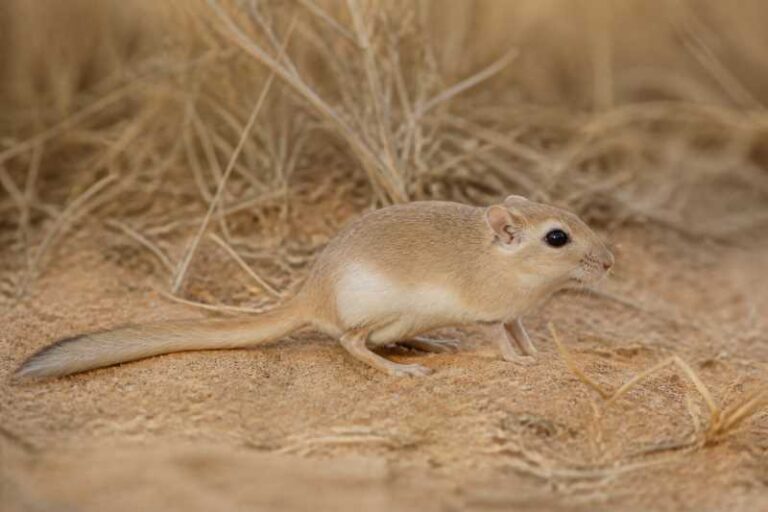
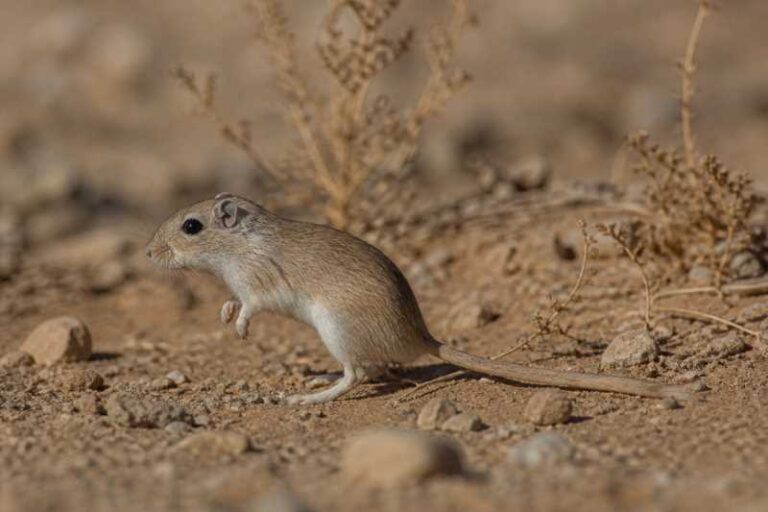
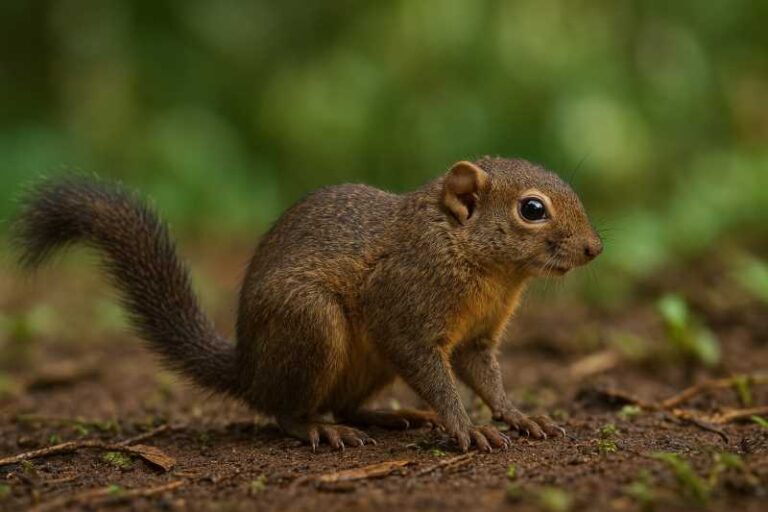
The Greater Bandicoot Rat, scientifically known as Bandicota indica, is a fascinating mammalian species belonging to the family Muridae. This rodent is known for its adaptability and resilience, thriving in a variety of environments across Asia. Despite being considered a pest in some areas due to its burrowing habits, the Greater Bandicoot Rat plays a crucial role in its ecosystem as both a prey and a seed disperser. This article delves into the intricate details of the Greater Bandicoot Rat, examining its physical characteristics, habitat preferences, behavior patterns, and conservation status.
Physical Description
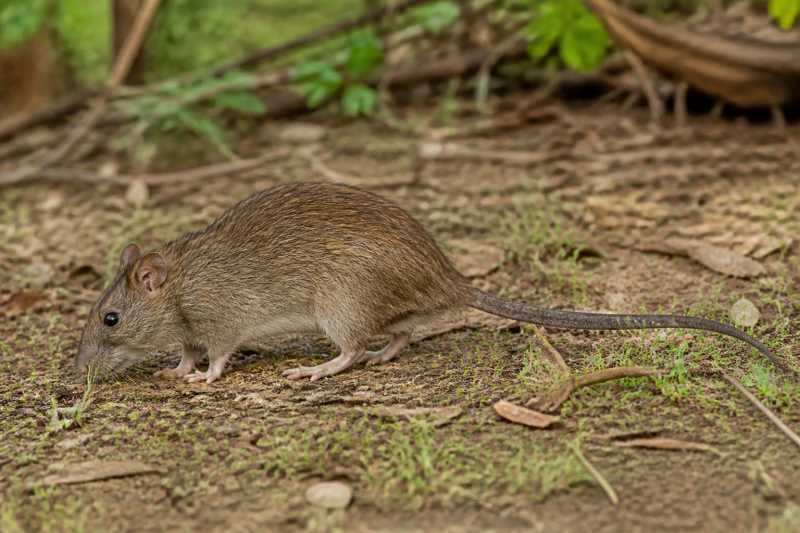
The Greater Bandicoot Rat is a robust rodent, typically larger than common rats. Adults can weigh between 200 to 500 grams and measure 27 to 36 centimeters in length, excluding the tail, which can add an additional 20 to 25 centimeters. This species is characterized by its coarse, dark brown to black fur, with a tendency to lighten on the underbelly. The head of the Greater Bandicoot Rat is broad, with large, rounded ears and a pointed snout. Its eyes are small, yet well-adapted for nocturnal activity. The tail is slightly shorter than the head and body combined, covered in fine scales and sparse hair.
The teeth of Bandicota indica are particularly notable, with sharp incisors that continuously grow, necessitating constant gnawing to prevent overgrowth. These incisors are ideal for breaking through tough materials, aiding the rat in accessing various food sources.
Range and Habitat
The Greater Bandicoot Rat is predominantly found in South and Southeast Asia, with a range extending from India and Sri Lanka to Thailand, Vietnam, and southern China. This species is highly adaptable, occupying diverse habitats including agricultural fields, urban areas, and natural landscapes such as forests and grasslands.
In urban settings, Greater Bandicoot Rats often inhabit sewers, garbage dumps, and abandoned buildings, thriving in areas where food waste is abundant. In rural areas, they are commonly found in rice paddies, sugarcane fields, and other agricultural lands, where they can cause significant damage to crops by burrowing and feeding.
Behavior and Diet
Greater Bandicoot Rats are primarily nocturnal, engaging in most of their activities under the cover of darkness. They are solitary creatures, with each individual maintaining its own territory. These rats are known for their extensive burrowing behavior, creating intricate tunnel systems that can extend several meters underground. These burrows serve as protection from predators and harsh weather conditions, as well as storage for food.
The diet of the Greater Bandicoot Rat is omnivorous but heavily reliant on plant material. They consume a wide range of foods including grains, seeds, fruits, and vegetables. In agricultural settings, they are notorious for feeding on crops such as rice, wheat, and sugarcane, often leading to significant economic losses for farmers. Additionally, they may consume insects, small invertebrates, and occasionally scavenged meat.
Identification Tips (Field Recognition Cues)
Identifying a Greater Bandicoot Rat in the field can be challenging due to its resemblance to other rodent species. However, there are specific cues that can aid in recognition:
- Size and Build: Look for a larger, more robust rodent compared to common rats, with a stocky build and a broad head.
- Fur Color: Observe the coarse fur, which is generally dark brown to black, with a lighter underbelly.
- Tail Length: Note the tail, which is shorter than the head and body combined, and covered in fine scales.
- Burrow Presence: Check for extensive burrow systems, often with multiple entrances, indicative of their presence.
- Nocturnal Activity: Greater Bandicoot Rats are active at night, making it easier to spot them or signs of their activity during these hours.
Conservation Status (with Threats and Protections)
As of the latest assessments, the Greater Bandicoot Rat is not considered a threatened species and is classified as Least Concern by the International Union for Conservation of Nature (IUCN). This status is largely due to its wide distribution and adaptability to various environments.
However, Greater Bandicoot Rats face threats from habitat loss due to urban expansion and agricultural development. Additionally, they are often targets of pest control measures because of their perceived status as agricultural pests.
To mitigate these threats, it is essential to implement sustainable pest management practices that balance agricultural needs with ecological conservation. This includes promoting methods that reduce reliance on harmful chemicals and encourage biodiversity.
Frequently Asked Questions
What do Greater Bandicoot Rats eat?
Greater Bandicoot Rats have an omnivorous diet, primarily consuming grains, seeds, fruits, vegetables, insects, and small invertebrates. In agricultural areas, they are known to feed on crops such as rice and sugarcane.
How can I identify a Greater Bandicoot Rat?
Key identification features include a robust build, dark brown to black coarse fur, a broad head, and a tail shorter than the body. They are also known for their extensive burrowing activity.
Are Greater Bandicoot Rats endangered?
No, Greater Bandicoot Rats are classified as Least Concern by the IUCN due to their wide distribution and adaptability to different environments.
Where are Greater Bandicoot Rats commonly found?
They are commonly found across South and Southeast Asia, inhabiting agricultural fields, urban areas, and natural landscapes like forests and grasslands.
What threats do Greater Bandicoot Rats face?
The primary threats include habitat loss from urbanization and agricultural expansion, and eradication efforts due to their status as pests in some regions.
Related posts