Introduction
Stekolnikov’s Snow Vole, scientifically known as Chionomys stekolnikovi, is a fascinating rodent species endemic to the mountainous regions of Central Asia. First described in the late 20th century, this elusive mammal has captured the interest of researchers and wildlife enthusiasts alike. With its specialized adaptations to cold environments and unique ecological role, the Stekolnikov’s Snow Vole represents an important component of its native ecosystem. This comprehensive article delves into the various aspects of this intriguing species, including its physical characteristics, habitat preferences, behaviors, and conservation status.
Physical Description
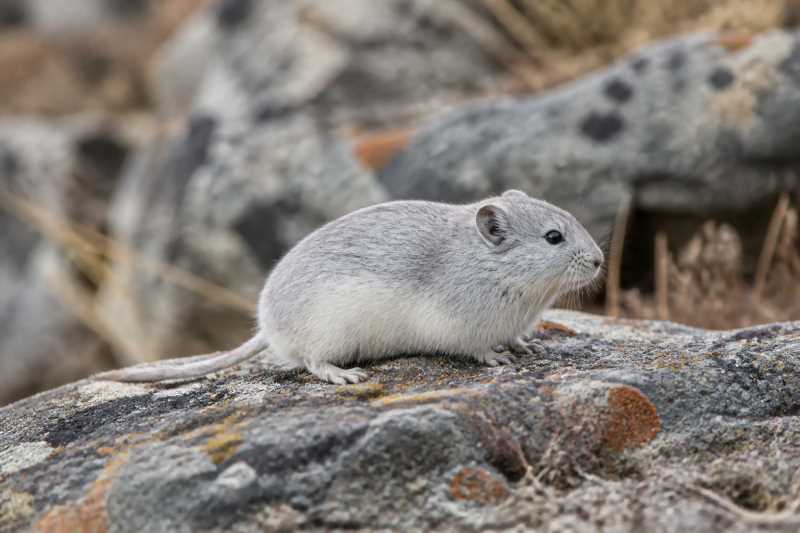
Stekolnikov’s Snow Vole is a small mammal, typically measuring around 15 to 20 centimeters in length, with a tail that adds an additional 5 to 7 centimeters. Its weight ranges from 50 to 100 grams, depending on age and sex. The vole’s fur is particularly dense and soft, providing essential insulation against the harsh climates it inhabits. The coloration of its fur varies from a pale gray to a light brown, with a whitish underbelly, which aids in camouflage among the snow and rocky terrain.
One of the most notable features of Stekolnikov’s Snow Vole is its large, rounded ears, which are covered in short fur. These ears not only enhance its hearing capabilities but also help regulate body temperature. The vole’s eyes are relatively small, reflecting its adaptation to low-light environments. Its sharp, ever-growing incisors are adapted for gnawing on vegetation and roots, a dietary staple.
Range and Habitat
The geographical distribution of Stekolnikov’s Snow Vole is primarily confined to the mountainous regions of Central Asia, including parts of Afghanistan, Tajikistan, and Kyrgyzstan. These voles are found at elevations ranging from 2,000 to 4,000 meters, where they inhabit alpine meadows, rocky slopes, and scree habitats.
The harsh conditions of their habitat, characterized by low temperatures, strong winds, and significant snowfall, require specific adaptations for survival. The voles create extensive burrow systems that provide shelter from predators and harsh weather. These burrows also serve as storage sites for food, which is crucial during the winter months when resources are scarce.
Behavior and Diet
Stekolnikov’s Snow Vole is primarily nocturnal, with peak activity occurring during the twilight hours. This behavior reduces exposure to predators and heat stress during the day. The voles are solitary creatures, with each individual maintaining a territory marked by scent glands.
Their diet consists mainly of grasses, seeds, and roots, which they forage for during the warmer months. They are known to cache food in their burrows to sustain themselves during the winter when foraging becomes impossible. The vole’s ability to digest fibrous plant material efficiently is a testament to its adaptation to its environment.
Identification Tips
Field recognition of Stekolnikov’s Snow Vole can be challenging due to its elusive nature and remote habitat. However, several key identification cues can aid in distinguishing this species from others:
- Fur Coloration: Look for the vole’s characteristic pale gray to light brown fur with a whitish underbelly.
- Ear Size: The large, rounded ears are a distinctive feature, covered with short fur.
- Tail Length: The tail is relatively short compared to the body, measuring about one-third of the total body length.
- Habitat: Observing the vole in its preferred alpine and rocky environments can help confirm identification.
Conservation Status
The conservation status of Stekolnikov’s Snow Vole is currently classified as "Least Concern" by the International Union for Conservation of Nature (IUCN). However, this status does not imply that the species faces no threats. The primary risks include habitat degradation due to climate change and human activities such as mining and agriculture expansion.
Climate change poses a significant threat by altering the snow cover and vegetation patterns in the vole’s habitat, potentially reducing the availability of food and suitable shelter. Conservation efforts are focused on preserving the alpine ecosystems and minimizing human impact through sustainable land-use practices.
Frequently Asked Questions
What adaptations allow Stekolnikov’s Snow Vole to survive in cold environments?
Stekolnikov’s Snow Vole has several adaptations for cold survival, including dense fur for insulation, burrows for shelter, and a diet that supports energy needs in harsh conditions.
Where can Stekolnikov’s Snow Vole be primarily found?
This vole is primarily found in the mountainous regions of Central Asia, specifically in Afghanistan, Tajikistan, and Kyrgyzstan, at elevations of 2,000 to 4,000 meters.
What is the primary diet of Stekolnikov’s Snow Vole?
The vole’s diet mainly consists of grasses, seeds, and roots. They are adept at foraging and caching food to ensure survival during winter months.
How does climate change impact Stekolnikov’s Snow Vole?
Climate change impacts the vole by altering snow cover and vegetation patterns in its habitat, which can reduce food availability and suitable living conditions.
What conservation measures are in place for Stekolnikov’s Snow Vole?
Conservation measures focus on habitat preservation, including protecting alpine ecosystems and promoting sustainable land-use practices to mitigate human impact.
Related posts