Introduction
The Palawan Montane Squirrel, scientifically known as Sundasciurus rabori, is a captivating species that inhabits the lush montane forests of Palawan, Philippines. These squirrels are a vital component of the ecosystem, contributing to seed dispersion and forest regeneration. Understanding their unique characteristics and ecological role is essential for their conservation and the health of their habitat.
The Palawan Montane Squirrel was named in honor of the renowned Filipino zoologist Dioscoro S. Rabor. This species is part of the Sciuridae family, which includes other small to medium-sized rodents commonly known as squirrels. In recent years, there has been growing interest in this species, driven by the need to understand and protect the biodiversity of the Palawan region.
Physical Description
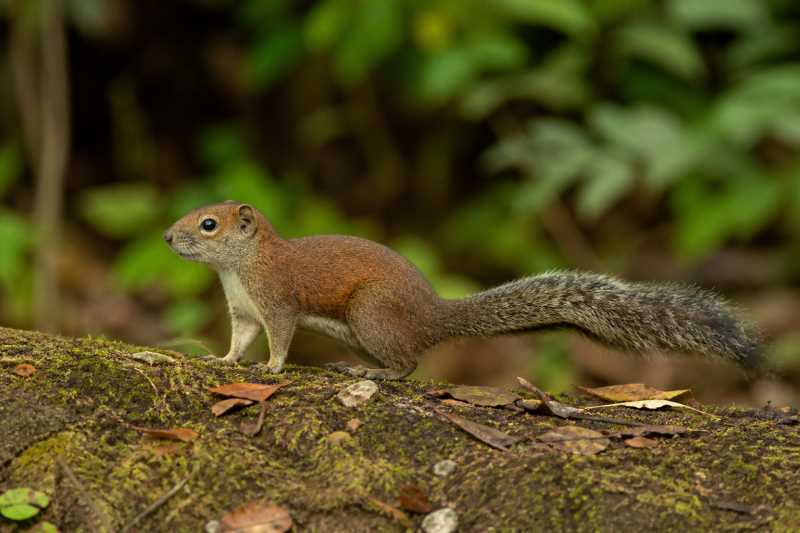
The Palawan Montane Squirrel is a small-sized squirrel with a distinctive appearance. Adults typically weigh between 100 to 150 grams and measure about 20 to 25 centimeters in length, with their bushy tails adding another 10 to 15 centimeters. Their fur is generally a brownish-gray, which provides excellent camouflage against the tree bark and forest floor of their montane environment.
One of the defining features of Sundasciurus rabori is its coarse fur, adapted to the humid and sometimes harsh conditions of the montane forests. The underbelly is usually lighter, ranging from a pale gray to white, which contrasts with the darker dorsal fur. Their ears are small and rounded, and their eyes are large, aiding their arboreal lifestyle by enhancing their vision for navigating the dense forest canopy.
Range and Habitat
The Palawan Montane Squirrel is endemic to the island of Palawan in the Philippines. This species thrives in montane forests, typically found at altitudes ranging from 1,000 to 1,500 meters above sea level. These forests are characterized by their cooler temperatures, increased humidity, and dense vegetation, providing an ideal habitat for the squirrels.
The montane forests of Palawan are rich in biodiversity, offering a complex network of trees and plants that these squirrels use for foraging and nesting. They are particularly associated with areas that have a thick canopy, which provides protection from predators and harsh weather conditions. The squirrels are arboreal, spending most of their time in the trees, although they may occasionally descend to the ground to search for food or move between trees.
Behavior and Diet
Palawan Montane Squirrels are diurnal, meaning they are active during the day. Their daily activities include foraging for food, grooming, and social interactions with other squirrels. They are known to be agile climbers, using their strong limbs and bushy tails for balance as they navigate the branches and vines of their forest habitat.
The diet of Sundasciurus rabori is primarily herbivorous, consisting of fruits, nuts, seeds, and occasionally small insects. They play a crucial role in their ecosystem as seed dispersers, helping to maintain the health and diversity of the forest. By consuming fruits and nuts and then dispersing the seeds through their droppings, these squirrels contribute to the regeneration of plant life.
Identification Tips (Field Recognition Cues)
Identifying the Palawan Montane Squirrel in the field requires attention to several key characteristics:
- Size and Shape: Look for a small-sized squirrel with a body length of 20 to 25 centimeters and a bushy tail.
- Fur Coloration: Note the brownish-gray coarse fur with a lighter underbelly, which is distinctive of this species.
- Behavior: Observe for diurnal activity and arboreal movement, as they are often seen moving along tree branches.
- Habitat: Focus on montane forest areas at higher altitudes where these squirrels are typically found.
Conservation Status (with Threats and Protections)
The Palawan Montane Squirrel is currently listed as ‘Least Concern’ by the IUCN Red List. However, like many species in the region, it faces threats from habitat loss and fragmentation due to logging, agricultural expansion, and human settlement.
Conservation efforts are crucial to protect the habitats of the Palawan Montane Squirrel. The establishment of protected areas within Palawan’s montane forests is essential for preserving these ecosystems. Additionally, promoting sustainable land-use practices and raising awareness about the importance of biodiversity can help mitigate the impact of human activities.
Frequently Asked Questions
1. What is the natural habitat of the Palawan Montane Squirrel?
The Palawan Montane Squirrel is native to the montane forests of Palawan, Philippines. These forests provide the cool, humid environment and dense tree cover that the squirrels need for foraging and nesting.
2. How does the Palawan Montane Squirrel contribute to its ecosystem?
*The Palawan Montane Squirrel plays a vital role as a seed disperser. By consuming fruits and nuts and dispersing the seeds, they help in the regeneration of their forest habitat, promoting biodiversity.
3. What are the primary threats to the Palawan Montane Squirrel?
The main threats include habitat loss due to logging, agriculture, and human settlement. Conservation efforts are necessary to protect their montane forest habitat and ensure their survival.
Related posts