Introduction
The Sierra Tontal Tuco-tuco, scientifically known as Ctenomys tulduco, is a fascinating rodent species found exclusively in a limited geographical area of Argentina. This burrowing mammal is part of the family Ctenomyidae, commonly known as the tuco-tucos, which are renowned for their subterranean lifestyle and complex burrow systems. The Sierra Tontal Tuco-tuco is of particular interest to scientists and conservationists due to its restricted range and specialized habitat requirements.
Physical Description
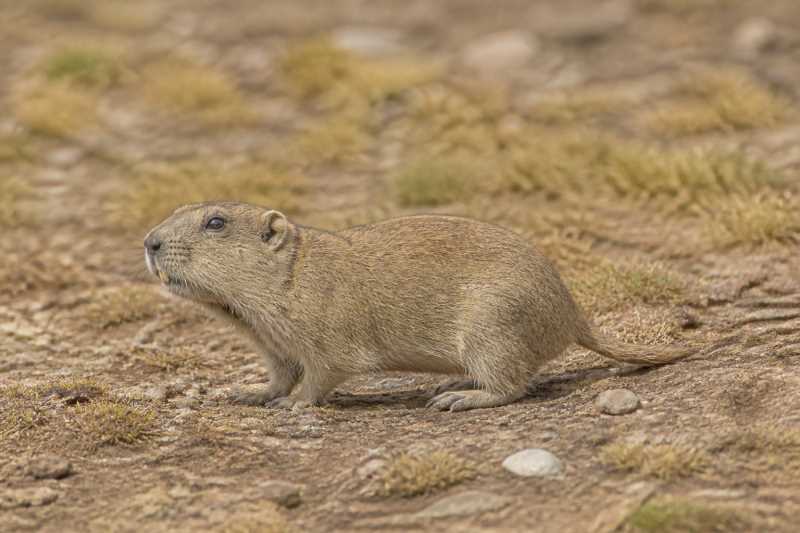
The Sierra Tontal Tuco-tuco is a medium-sized rodent characterized by its robust body and strong, clawed limbs adapted for digging. These animals typically measure between 20 to 25 centimeters in length, with a short, sparsely furred tail. The fur is generally a uniform brown or gray, providing camouflage against the earthy tones of their environment. Their small eyes and ears are adapted to a life spent predominantly underground, minimizing exposure to dirt and debris.
One of the most distinctive features of the Sierra Tontal Tuco-tuco is its incisors, which are ever-growing and protrude slightly, assisting in both digging and foraging. The strong, muscular forelimbs and broad, spade-like claws make this species an efficient digger, capable of creating extensive tunnel systems in search of food and shelter.
Range and Habitat
The Sierra Tontal Tuco-tuco is endemic to the Sierra de Tontal region in western Argentina. This area is characterized by a mix of rocky terrain and loose, sandy soils, which are ideal for burrow construction. The region’s climate is arid, with low annual rainfall, making the tuco-tuco’s burrowing behavior essential for maintaining moisture and temperature regulation.
These rodents are typically found at elevations ranging from 1,500 to 2,500 meters, where they inhabit grasslands and scrublands. The availability of vegetation and suitable soil conditions are crucial for their survival, as they rely on the roots and tubers of plants as their primary food source.
Behavior and Diet
Sierra Tontal Tuco-tucos are solitary animals, primarily active during the day, although they may also exhibit crepuscular behavior. Their burrowing lifestyle is not only a means of foraging and shelter but also serves as a defense mechanism against predators.
Their diet consists mainly of underground plant parts, such as roots and tubers, which they access by digging extensive tunnel systems. These tunnels can be elaborate, with multiple chambers used for nesting and food storage. The tuco-tucos have a keen sense of smell, which aids them in locating food sources underground.
Social interactions among these rodents are minimal, with individuals typically maintaining separate burrow systems. However, during the breeding season, males may venture above ground to locate females, leading to brief encounters.
Identification Tips (Field Recognition Cues)
Identifying the Sierra Tontal Tuco-tuco in the field can be challenging due to its subterranean habits, but several cues can aid in recognition:
- Burrow Openings: Look for small, rounded burrow entrances in sandy or rocky soils. These are often surrounded by freshly excavated earth.
- Vocalizations: Listen for the characteristic "tuc-tuc" call, which these rodents use to communicate, especially during the breeding season.
- Tracks: In areas with loose soil, you may find tracks or tail drag marks near burrow entrances.
- Fur Color: If observed above ground, note the uniform brown or gray coloration, which blends with the surrounding environment.
Conservation Status (With Threats and Protections)
The Sierra Tontal Tuco-tuco is currently classified as Near Threatened on the IUCN Red List, primarily due to its limited range and habitat specificity. Habitat destruction, particularly from agriculture and livestock grazing, poses a significant threat to the species. These activities not only degrade the tuco-tuco’s natural habitat but also compact the soil, making burrow construction difficult.
Conservation efforts are focused on protecting the remaining natural habitats and promoting sustainable land-use practices in the region. Establishing protected areas and raising awareness about the species’ ecological role are crucial steps in ensuring its survival.
Frequently Asked Questions
Why is this species unique?
The Sierra Tontal Tuco-tuco is unique due to its restricted range and specialized habitat preferences. Its adaptation to a subterranean lifestyle and the specific environmental conditions of the Sierra de Tontal region distinguish it from other rodent species.
What threats does the Sierra Tontal Tuco-tuco face?
The primary threats to the Sierra Tontal Tuco-tuco include habitat destruction from agricultural expansion and livestock grazing, which degrade the soil and vegetation crucial for their survival. Climate change may also impact their arid habitat, altering food availability and burrow conditions.
How can we help conserve this species?
Conserving the Sierra Tontal Tuco-tuco involves protecting its natural habitat, promoting sustainable land use, and establishing protected areas. Public education and scientific research to better understand the species’ ecology are also vital for its conservation.
Are there any conservation programs in place?
There are ongoing efforts to protect the Sierra Tontal Tuco-tuco through habitat conservation initiatives and research projects aimed at understanding its ecological needs. Local and international conservation organizations are working to raise awareness and implement protective measures.
Related posts