Introduction
The Robust Tuco-tuco, scientifically known as Ctenomys tuconax, is a fascinating rodent species belonging to the family Ctenomyidae. This subterranean mammal is native to South America and is particularly noted for its burrowing behavior and unique adaptations to life underground. The name "tuco-tuco" is derived from the repetitive "tuc-tuc" sounds these animals make, which are crucial for communication in their dark, subterranean world. This article delves into the various aspects of the Robust Tuco-tuco, from its physical characteristics to its ecological significance.
Physical Description
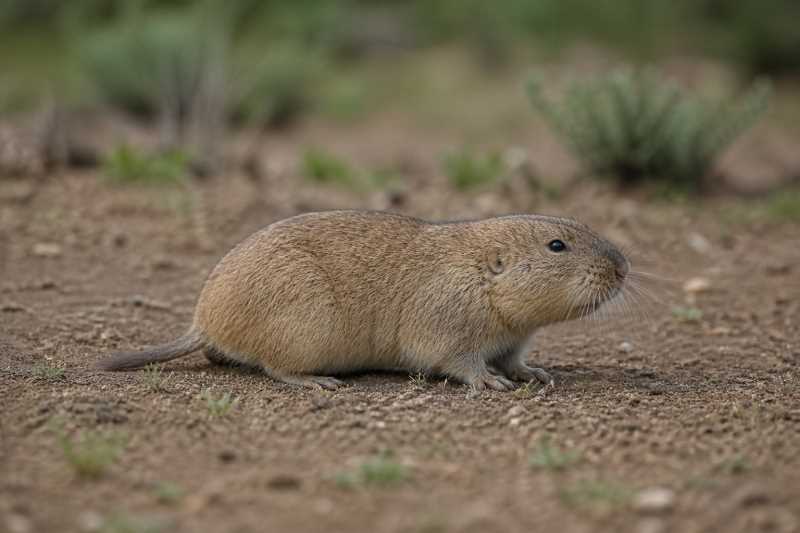
The Robust Tuco-tuco is a medium-sized rodent, characterized by its stout body and strong limbs, which are perfectly adapted for digging. It typically measures about 25 to 30 centimeters in length, including a relatively short tail. The fur of the Robust Tuco-tuco is dense and varies in color from dark brown to grayish tones, providing excellent camouflage against the earthy tones of its habitat.
One of the most distinctive features of the Robust Tuco-tuco is its powerful incisors, which are used not only for gnawing through roots and vegetation but also for excavating soil. These teeth, along with their compact, muscular bodies, make them exceptional diggers. Additionally, their small eyes and ears indicate their adaptation to a life spent mostly underground, where vision is less critical than tactile and auditory senses.
Range and Habitat
The Robust Tuco-tuco is predominantly found in the high-altitude regions of the Andes Mountains, particularly in Argentina. These rodents prefer open grasslands, often at elevations ranging from 1,500 to 4,000 meters above sea level. This environment offers loose, well-drained soils ideal for their burrowing lifestyle.
Their habitats are often characterized by sparse vegetation, which consists mainly of grasses and shrubs. These areas are not only suitable for burrowing but also provide the necessary materials for their diet. The choice of habitat is crucial for their survival, as it offers protection from predators and harsh weather conditions.
Behavior and Diet
Robust Tuco-tucos are primarily solitary animals, with each individual maintaining its own burrow system. These burrows are complex networks consisting of feeding chambers, nesting areas, and escape routes, all designed to ensure safety and efficiency in resource utilization.
Their diet mainly consists of underground plant parts, such as roots and tubers, which they access by digging extensive tunnel systems. Occasionally, they may venture above ground to forage for grasses and other vegetation, but they generally prefer the safety of their subterranean environment.
Communication among Robust Tuco-tucos is primarily vocal, involving a series of grunts and chirps that help individuals signal territory or alert others to potential threats. These vocalizations are crucial for maintaining social structure and avoiding confrontations.
Identification Tips
Identifying a Robust Tuco-tuco in the field can be challenging due to their elusive nature and preference for underground life. However, there are several cues that can aid in their identification:
- Burrow Entrances: Look for characteristic soil mounds or burrow entrances, which are often circular and surrounded by freshly excavated earth.
- Vocalizations: Listen for the distinct "tuc-tuc" calls, which are typically heard near burrow openings.
- Physical Signs: Spotting a tuco-tuco above ground is rare, but if seen, note their robust build, short tail, and strong forelimbs.
- Habitat: Search in high-altitude grasslands and areas with loose, well-drained soils.
Conservation Status
The conservation status of the Robust Tuco-tuco is currently not well-documented due to the species’ elusive nature and limited range. However, like many other burrowing rodents, they face several threats, including habitat destruction, agricultural expansion, and climate change.
Threats:
- Habitat Destruction: Agricultural practices and urban development can lead to habitat loss and fragmentation.
- Climate Change: Alterations in temperature and precipitation patterns could affect their high-altitude habitats.
Protections:
- Protected Areas: Some of the regions inhabited by Robust Tuco-tucos fall within protected national parks, which offer some level of conservation.
Conservation efforts must focus on habitat preservation and further research to better understand their ecology and population dynamics.
Frequently Asked Questions
- What do Robust Tuco-tucos eat?
- Robust Tuco-tucos primarily feed on underground plant parts like roots and tubers, occasionally foraging for grasses above ground.
- Where can I find the Robust Tuco-tuco?
- They are mostly found in the high-altitude grasslands of the Andes Mountains, primarily in Argentina, at elevations between 1,500 and 4,000 meters.
- How do Robust Tuco-tucos communicate?
- They communicate using vocalizations, including grunts and chirps, which help signal territory and warn of threats.
- Are Robust Tuco-tucos endangered?
- Their conservation status is not well-documented, but they face threats from habitat destruction and climate change.
- What adaptations help the Robust Tuco-tuco live underground?
- They have powerful incisors for digging, dense fur for insulation, and reduced eyes and ears adapted to subterranean life.
Related posts