Pacific Forest Long-tongued Bat (Lonchophylla fornicata)
Introduction
The Pacific Forest Long-tongued Bat, scientifically known as Lonchophylla fornicata, is an intriguing species within the family Phyllostomidae, which is home to a diverse group of New World leaf-nosed bats. Known for its elongated tongue, this bat plays a critical role in pollination and seed dispersal within its ecosystem. Found predominantly in the neotropical regions, the Pacific Forest Long-tongued Bat is not only fascinating due to its physical adaptations but also due to its ecological importance.
The study of this bat species provides insights into the complex interactions between bats and their habitats. This article delves into various aspects of the Pacific Forest Long-tongued Bat, including its physical description, range and habitat, behavior and diet, identification tips, conservation status, and answers to some frequently asked questions.
Physical Description
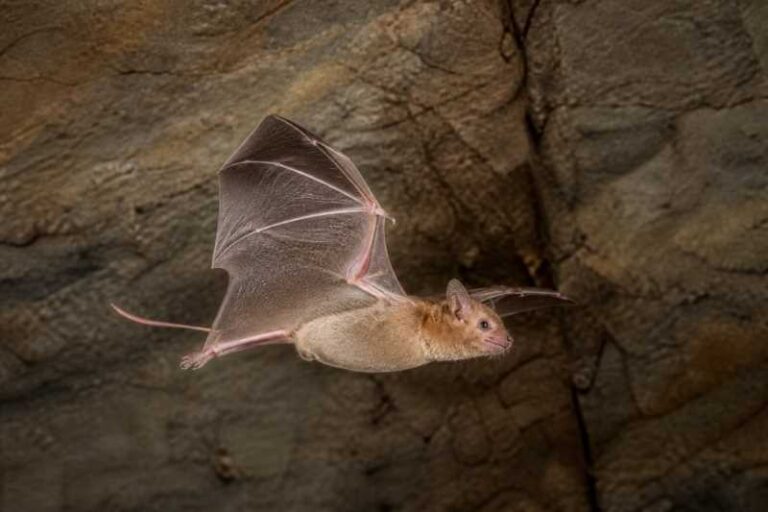
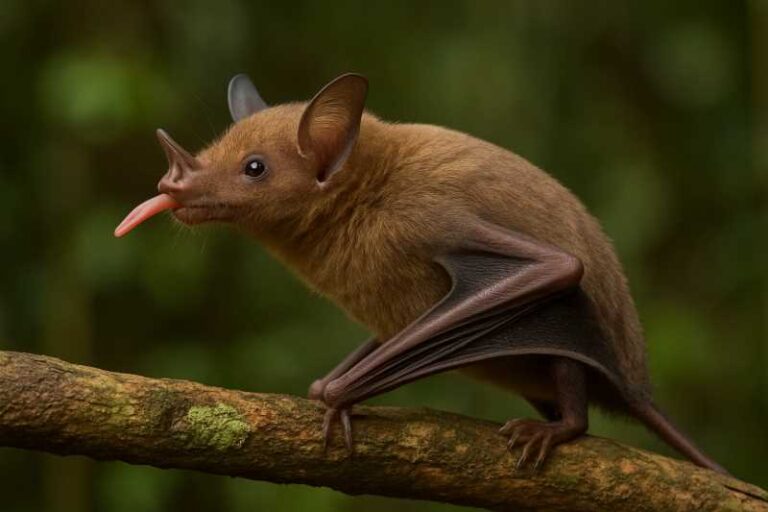
The Pacific Forest Long-tongued Bat is a relatively small bat species characterized by its distinctive long tongue, which can extend up to one and a half times the length of its head. This adaptation is crucial for feeding on nectar and pollen from flowers. The bat has a slender body with a total length of approximately 40 to 60 mm and a wingspan ranging from 260 to 300 mm.
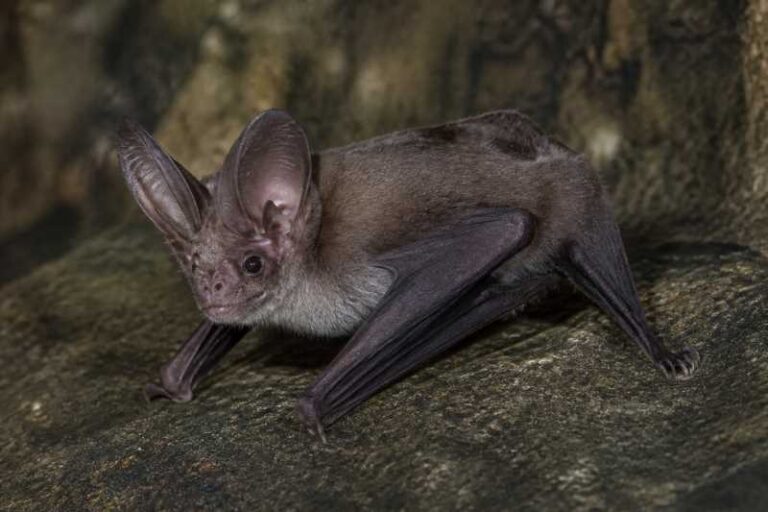
Its fur is generally a mix of brown and gray hues, providing an effective camouflage against the bark of trees and the forest floor. The bat’s face is adorned with a prominent nose-leaf structure, typical of the Phyllostomidae family, which aids in echolocation.
Another notable feature is its large eyes, which enhance its nocturnal vision. The ears are moderately sized, with a slight pointed tip, allowing it to detect the high-frequency sounds used for communication and navigation.
Range and Habitat
Lonchophylla fornicata is primarily found in the Pacific lowland forests of Central and South America. Its range extends from southern Mexico through Panama, and into the western regions of Colombia and Ecuador. These bats thrive in humid tropical and subtropical forests, often in areas with abundant flowering plants.
Their habitats are characterized by dense vegetation and a rich diversity of flora, providing ample feeding opportunities. They are typically found at elevations ranging from sea level to about 1,200 meters. The bats often roost in tree hollows, caves, and occasionally in man-made structures.
The preservation of their habitat is crucial, as it directly impacts their feeding and breeding behaviors. Deforestation poses a significant threat to their natural environment, emphasizing the need for conservation efforts.
Behavior and Diet
The Pacific Forest Long-tongued Bat is primarily nocturnal, with peak activity occurring just after dusk and before dawn. During these times, they can be seen flitting through the forest canopy, using their keen sense of echolocation to navigate and locate food.
As their name suggests, these bats have a diet that heavily relies on nectar and pollen, making them important pollinators in their ecosystem. Their long tongues are perfectly adapted to access nectar deep within flowers. In addition to nectar, they also consume small fruits and occasionally insects, providing them with the necessary nutrients.
These bats are known for their solitary nature, although they may sometimes form small groups when roosting. Communication among individuals is facilitated through high-pitched calls that are often beyond human hearing.
Identification Tips (Field Recognition Cues)
- Size and Shape: Look for a small to medium-sized bat with a slender body and long wings.
- Coloration: Notice the brown and gray fur, which blends seamlessly with the forest environment.
- Facial Features: Identify the distinctive nose-leaf and large eyes.
- Behavior: Observe their flight patterns at dawn and dusk, and listen for their echolocation clicks.
- Feeding Habits: Spot them near flowering plants, using their long tongues to feed on nectar.
Conservation Status (With Threats and Protections)
The conservation status of the Pacific Forest Long-tongued Bat is currently listed as Near Threatened due to habitat loss and fragmentation. Deforestation, primarily for agricultural expansion and urban development, poses the greatest threat to their survival.
Conservation efforts are focused on habitat preservation and restoration. Protected areas and national parks within their range provide some refuge, but more efforts are needed to curb habitat destruction. Community-based conservation initiatives are also essential, promoting sustainable land use practices that benefit both wildlife and local communities.
Legal protections under national and international laws aim to safeguard their habitats and reduce human-induced threats. However, effective enforcement and community involvement are crucial to the success of these measures.
Frequently Asked Questions
What is the primary diet of the Pacific Forest Long-tongued Bat?
The primary diet of the Pacific Forest Long-tongued Bat consists of nectar and pollen from flowers. Their long tongues are specially adapted to extract nectar deep within blossoms, making them vital pollinators in their ecosystem. They also consume small fruits and, on occasion, insects.
Where can the Pacific Forest Long-tongued Bat be found?
This bat species is found in the Pacific lowland forests of Central and South America, ranging from southern Mexico through Panama to western Colombia and Ecuador. They inhabit humid tropical and subtropical forests with abundant flowering plants.
How does deforestation impact the Pacific Forest Long-tongued Bat?
Deforestation leads to habitat loss and fragmentation, which significantly impacts the Pacific Forest Long-tongued Bat by reducing feeding and roosting sites. It is one of the primary threats to their survival, emphasizing the need for conservation efforts to protect and restore their natural habitats.
How can I identify a Pacific Forest Long-tongued Bat in the wild?
To identify a Pacific Forest Long-tongued Bat, look for a small bat with a slender body and long wings, brown and gray fur, a distinctive nose-leaf, and large eyes. Observe their behavior near flowering plants, especially at dusk and dawn, when they feed on nectar using their long tongues.
Related posts