Luzon Cordillera Hairy-tailed Rat (Batomys grantii)
Introduction
The Luzon Cordillera Hairy-tailed Rat, scientifically known as Batomys grantii, is a remarkable rodent species native to the Philippines. This elusive mammal is part of the family Muridae, which encompasses a wide variety of rodents, including the common house mouse and brown rat. Found primarily in the mountainous regions of Luzon Island, the Luzon Cordillera Hairy-tailed Rat is a crucial component of its ecosystem, contributing to seed dispersal and serving as prey for local predators. Despite its ecological importance, this species remains relatively understudied, with much of its behavior and ecology still shrouded in mystery.
Physical Description
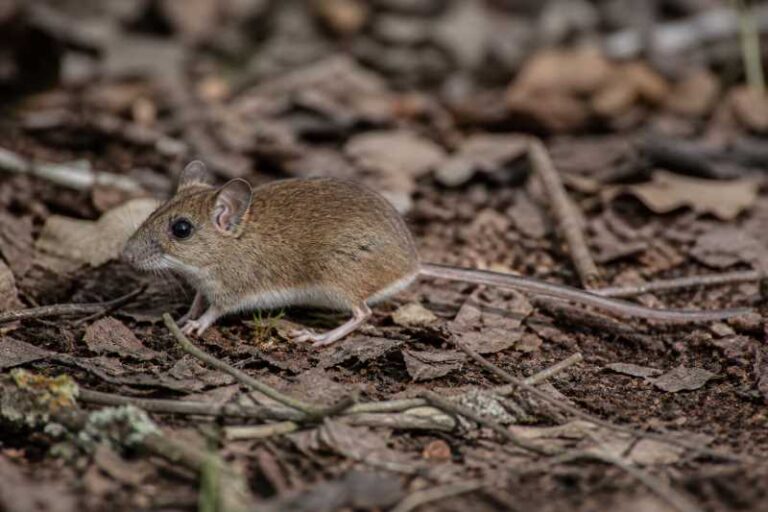
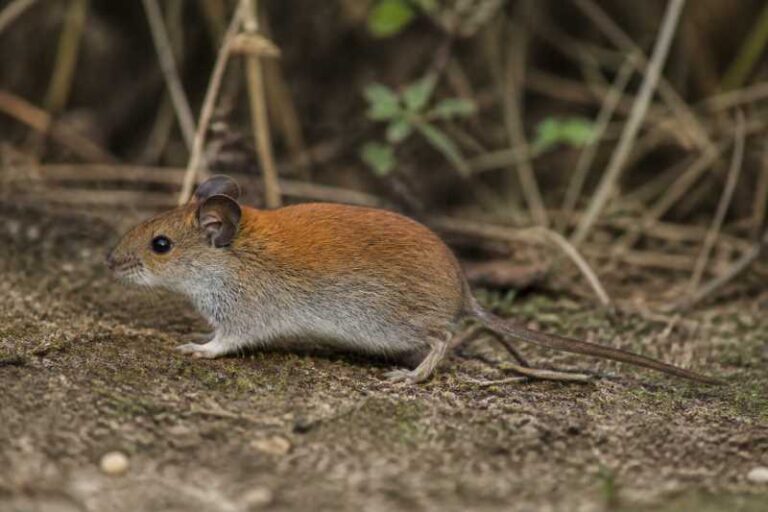
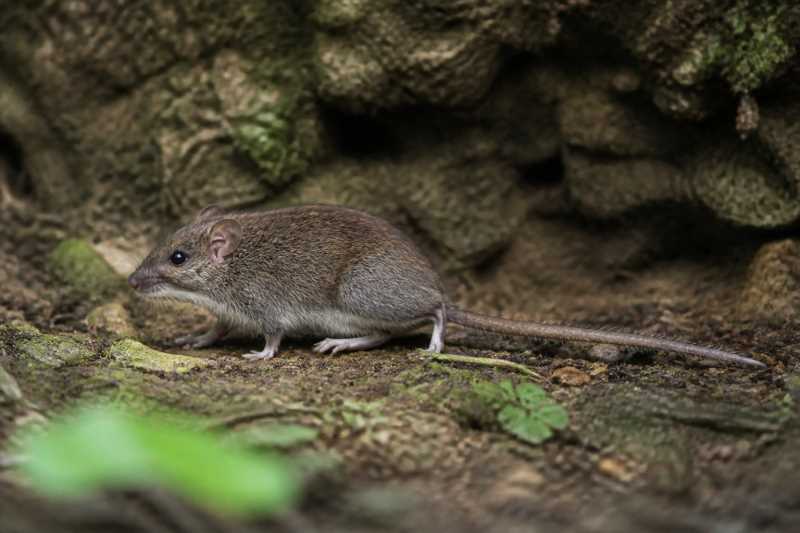
The Luzon Cordillera Hairy-tailed Rat is characterized by its distinctive physical features that set it apart from other rodent species. This medium-sized rat typically measures around 25 to 30 centimeters in length, including its tail. One of its most notable features is its soft, dense fur, which is primarily a brownish-gray color, providing excellent camouflage in its forest habitat. The "hairy-tailed" moniker arises from the rat’s bushy tail, which is covered in long, bristly hairs that help with balance and navigation through the dense foliage of its mountainous environment.
The rat’s head is rounded, with large, expressive eyes adapted for its nocturnal lifestyle. Its ears are small and rounded, and its whiskers are long and sensitive, aiding in the detection of environmental changes and nearby food sources. The Luzon Cordillera Hairy-tailed Rat possesses strong, nimble limbs with sharp claws, allowing it to adeptly climb trees and forage for food.
Range and Habitat
Endemic to the Philippines, the Luzon Cordillera Hairy-tailed Rat is found exclusively on Luzon Island, particularly within the Cordillera Central mountain range. Its preferred habitat includes montane and mossy forests, where it can be found at elevations ranging from 1,000 to 2,400 meters above sea level. These forests offer a cool, humid environment with abundant cover and a rich diversity of plant and animal life.
The rat’s natural habitat is characterized by thick vegetation, including ferns, mosses, and a variety of tree species. This dense foliage provides ample opportunities for foraging and nesting, as well as protection from predators. The Luzon Cordillera Hairy-tailed Rat is highly adapted to life in this environment, where it plays a vital role in maintaining the ecological balance.
Behavior and Diet
The Luzon Cordillera Hairy-tailed Rat is primarily nocturnal, with most of its activity occurring during the night. This nocturnal behavior helps minimize predation risks and allows the rat to take advantage of cooler temperatures. During the day, it typically rests in nests constructed from leaves, twigs, and other forest materials, often located in the hollows of trees or dense underbrush.
In terms of diet, the Luzon Cordillera Hairy-tailed Rat is an omnivore, feeding on a variety of plant and animal matter. Its diet primarily consists of fruits, seeds, leaves, and insects. The rat’s role as a seed disperser is particularly important, as it aids in the regeneration of forest vegetation. Additionally, its consumption of insects helps control local insect populations, further contributing to the ecosystem’s health.
Identification Tips (Field Recognition Cues)
Spotting a Luzon Cordillera Hairy-tailed Rat in the wild requires keen observation and an understanding of its natural behaviors and habitat preferences. Here are some identification tips for recognizing this unique species:
- Fur and Tail: Look for the rat’s distinctive brownish-gray fur and bushy, hairy tail, which are key identifiers.
- Size and Shape: Note the medium-sized body, approximately 25 to 30 centimeters in length, with a rounded head and large eyes.
- Habitat: Focus on montane and mossy forest areas at elevations between 1,000 and 2,400 meters, where the species is most commonly found.
- Activity Patterns: Keep an eye out during the night, as the rat is nocturnal and more likely to be active after dusk.
- Nesting Sites: Check for nests built in tree hollows or dense vegetation, which may indicate the presence of this rat.
Conservation Status (with Threats and Protections)
The Luzon Cordillera Hairy-tailed Rat is currently classified as "Near Threatened" by the International Union for Conservation of Nature (IUCN). This status is primarily due to habitat loss and fragmentation, driven by deforestation and land conversion for agriculture and urban development. Additionally, the species faces potential threats from hunting and trapping, although these activities are not as prevalent as habitat destruction.
Conservation efforts for the Luzon Cordillera Hairy-tailed Rat focus on protecting its natural habitat. Several protected areas and national parks have been established within its range, providing refuge and promoting the preservation of its montane forest environment. Education and awareness programs aimed at local communities also play a crucial role in reducing habitat destruction and promoting sustainable land-use practices.
Frequently Asked Questions
What is the Luzon Cordillera Hairy-tailed Rat’s primary habitat?
The Luzon Cordillera Hairy-tailed Rat primarily inhabits montane and mossy forests in the Cordillera Central mountain range of Luzon Island, Philippines, at elevations of 1,000 to 2,400 meters.
How does the Luzon Cordillera Hairy-tailed Rat contribute to its ecosystem?
This rat species aids in seed dispersal and helps control insect populations, playing a vital role in forest regeneration and maintaining ecological balance.
What are the main threats to the Luzon Cordillera Hairy-tailed Rat?
The primary threats include habitat loss due to deforestation and land conversion, as well as potential hunting and trapping pressures.
How can the Luzon Cordillera Hairy-tailed Rat be identified in the wild?
Look for its brownish-gray fur, bushy hairy tail, and medium-sized body in montane forests. It’s most active at night, which is the best time for observation.
What conservation measures are in place to protect the Luzon Cordillera Hairy-tailed Rat?
Protected areas and national parks have been established, and education programs aim to promote sustainable land use and habitat preservation.
Related posts