Introduction
The Pilbara Ningaui (Ningaui timealeyi) is a fascinating small marsupial native to Australia. Known for its elusive nature and unique adaptations, this tiny mammal is part of the Dasyuridae family, which includes other carnivorous marsupials like quolls and the Tasmanian devil. The species was first described in 1975, and its name, ‘timealeyi,’ honors the contributions of Australian biologist Tim Ealey. While small in stature, the Pilbara Ningaui plays a crucial role in the ecosystem of its native habitat.
The Pilbara Ningaui is an insectivorous marsupial, primarily found in the arid regions of Western Australia. Its ability to survive in harsh environmental conditions makes it a subject of interest for researchers studying adaptation and survival strategies in arid environments. Despite its resilience, the Pilbara Ningaui’s existence is threatened by various factors, making its conservation a priority.
Physical Description
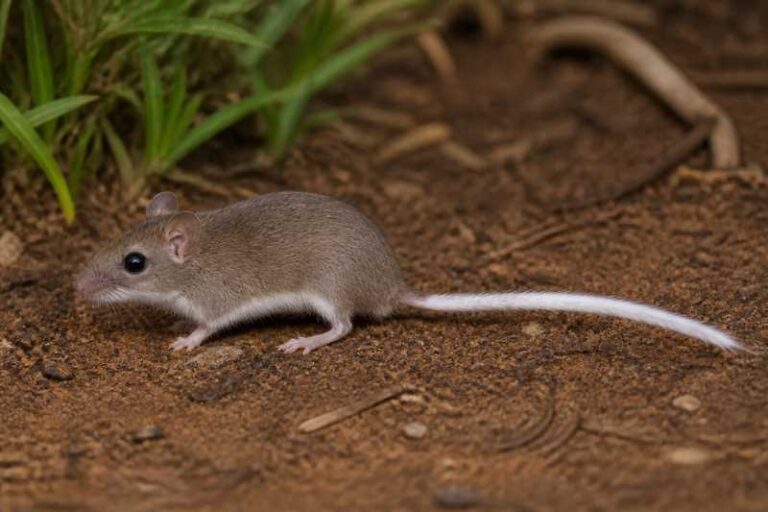
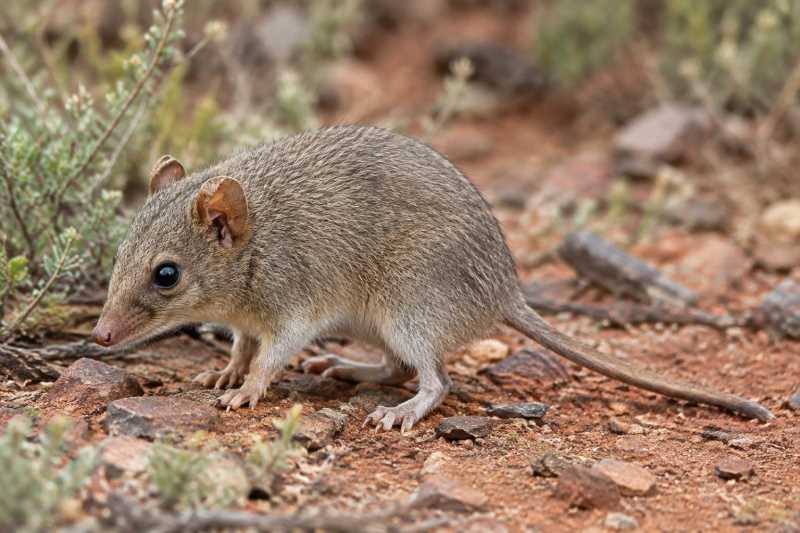
The Pilbara Ningaui is a small marsupial, with adults typically weighing between 5 to 10 grams and measuring approximately 6 to 9 centimeters in body length, excluding the tail. Its tail is about as long as its body, which aids in balance and agility. The fur of the Pilbara Ningaui is short and coarse, providing some insulation against temperature extremes. Its coloration is generally a mottled grey-brown, which offers excellent camouflage against the arid landscape. This cryptic coloration helps it avoid predators.
Distinguishing features of the Pilbara Ningaui include its pointed snout, large eyes, and small, rounded ears. These physical traits are adaptations to its insectivorous diet and nocturnal lifestyle. The large eyes enhance its night vision, while the pointed snout is ideal for probing into crevices to find insects.
Range and Habitat
The Pilbara Ningaui is endemic to the Pilbara region of Western Australia, a vast area characterized by its arid climate and rugged terrain. The region is known for its hot temperatures, sparse vegetation, and rocky outcrops. The Ningaui thrives in this environment, utilizing spinifex grasslands and acacia shrublands as its primary habitat.
These habitats provide not only food resources but also shelter from predators and extreme weather conditions. The dense spinifex clumps offer protection and nesting sites, while the open spaces between them allow for effective hunting and foraging. The Pilbara Ningaui’s range is limited to this specific region, highlighting the importance of localized conservation efforts.
Behavior and Diet
The Pilbara Ningaui is nocturnal, meaning it is most active during the night. This behavior helps reduce exposure to daytime heat and predators. During the day, it rests in nests constructed in dense vegetation or burrows, emerging at night to forage.
Its diet consists primarily of insects and other small invertebrates. This insectivorous diet includes ants, termites, and beetles, which are abundant in its habitat. The Pilbara Ningaui uses its acute sense of smell and keen eyesight to detect prey. Upon locating a target, it uses its agile movements to capture and consume it.
Socially, the Pilbara Ningaui is relatively solitary, coming together primarily for mating purposes. Breeding typically occurs during the cooler months, from May to September, when the food supply is more reliable. Females give birth to litters of up to six offspring, which they care for in their protective nests.
Identification Tips (Field Recognition Cues)
Identifying the Pilbara Ningaui in the field requires attention to several key characteristics:
- Size and Shape: Look for a very small, mouse-like marsupial with a body length of 6 to 9 centimeters and a similar tail length.
- Coloration: Note the grey-brown fur that blends well with the arid landscape.
- Facial Features: The pointed snout and large eyes are distinctive, aiding in its nocturnal and insectivorous habits.
- Habitat: Focus on areas with dense spinifex and acacia shrubs where they are known to dwell.
- Activity Pattern: Nighttime sightings are more likely, as they are nocturnal.
Conservation Status (With Threats and Protections)
The Pilbara Ningaui is currently classified as ‘Least Concern’ by the IUCN Red List. However, its population is vulnerable to several threats, including habitat destruction, climate change, and predation by introduced species such as cats and foxes.
Habitat destruction due to mining activities in the Pilbara region poses a significant threat, as it leads to fragmentation and loss of suitable environments. Climate change also threatens to alter the delicate balance of the arid ecosystem, potentially impacting food availability and increasing the frequency of extreme weather events.
Conservation efforts focus on habitat protection and management, as well as controlling introduced predators. Initiatives to preserve the natural landscape and rehabilitate disturbed areas are vital for the survival of the Pilbara Ningaui. Continued research and monitoring are essential to understanding its ecology and implementing effective conservation strategies.
Frequently Asked Questions
- What is the diet of the Pilbara Ningaui?
The Pilbara Ningaui primarily feeds on insects and small invertebrates, such as ants, termites, and beetles. Its insectivorous diet is supported by its nocturnal foraging habits and adaptations like a keen sense of smell and sharp eyesight.
- Where can the Pilbara Ningaui be found?
The Pilbara Ningaui is endemic to the Pilbara region of Western Australia. It inhabits arid areas with spinifex grasslands and acacia shrublands, which provide both food and shelter.
- How does the Pilbara Ningaui adapt to its environment?
The Pilbara Ningaui has several adaptations for surviving in arid environments, including nocturnal behavior to avoid daytime heat, cryptic coloration for camouflage, and a diet focused on readily available insects.
- What are the main threats to the Pilbara Ningaui?
The main threats include habitat destruction from mining, climate change impacts, and predation by introduced species such as cats and foxes. Conservation efforts focus on habitat protection and predator control.
- How can I identify a Pilbara Ningaui in the wild?
Look for a small marsupial with grey-brown fur, a pointed snout, and large eyes. They are often found in areas with dense spinifex grasses and are most active at night.
Related posts