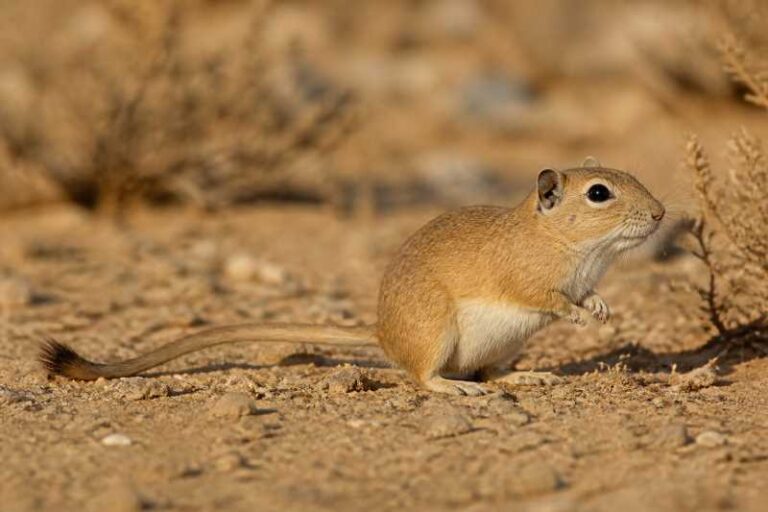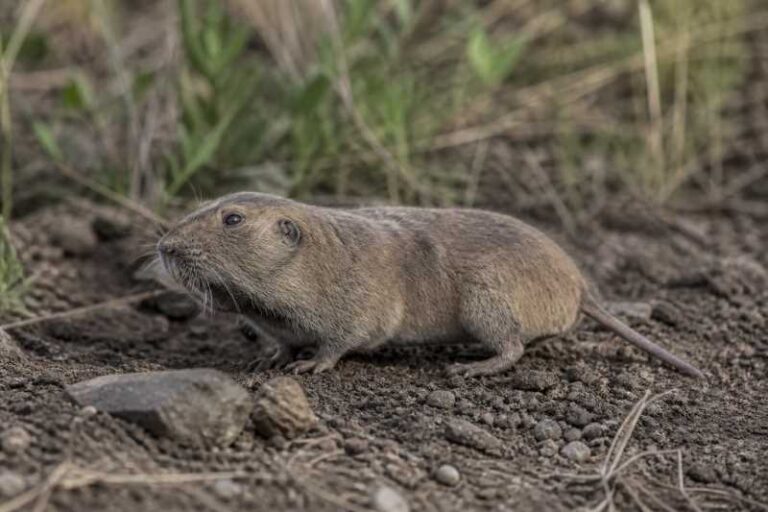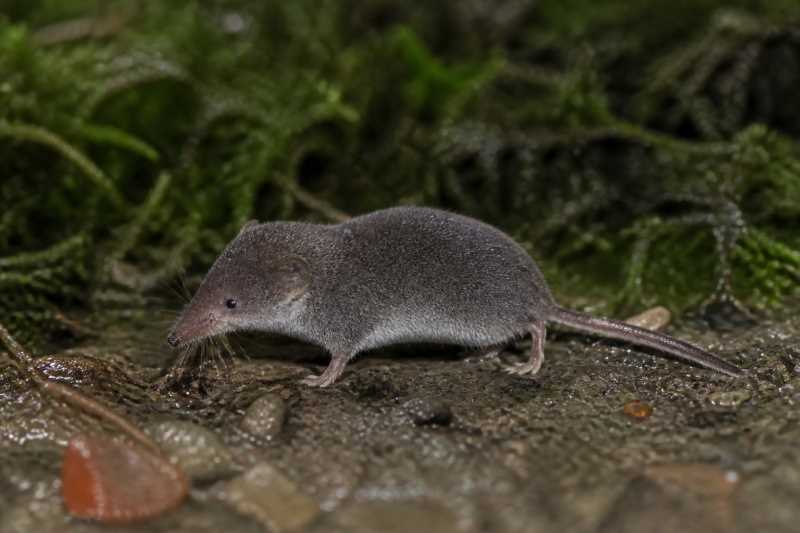
Saussure’s Shrew (Sorex saussurei)
Introduction
Saussure’s Shrew, scientifically known as Sorex saussurei, is a small mammalian species belonging to the order Eulipotyphla and the family Soricidae. Named after the Swiss naturalist Henri Saussure, this shrew is an intriguing species inhabiting a variety of ecosystems. Shrews, in general, are known for their high metabolism and insectivorous diets, making them an essential component of the ecological food web. Saussure’s Shrew is no exception, playing a crucial role in controlling insect populations and contributing to the biodiversity of the regions they inhabit.
Physical Description
Saussure’s Shrew is characterized by its diminutive size and distinctive features that aid in its survival and foraging habits. Typically, this species measures between 55 to 70 millimeters in length, with a tail length of approximately 30 to 45 millimeters. The shrew weighs between 5 to 10 grams, depending on the season and availability of food resources.
Their fur is soft and dense, providing insulation against cold temperatures. The dorsal side of Saussure’s Shrew is usually grey to brown, while the ventral side tends to be lighter, often greyish-white. This coloration provides effective camouflage in their natural habitats.
These shrews have elongated snouts, which house numerous vibrissae (whiskers) that are highly sensitive to touch, aiding in navigation and prey detection. Their small eyes and ears are adapted to their subterranean lifestyles, with limited reliance on visual cues in favor of heightened olfactory and auditory senses.
Range and Habitat
Saussure’s Shrew is primarily found in parts of Central and South America. Their range extends from southern Mexico through Central America to the northern regions of South America. They inhabit a variety of ecosystems, including tropical rainforests, montane forests, and temperate cloud forests. Occasionally, they can be found in agricultural lands and secondary forests, showcasing their adaptability to different environmental conditions.
These shrews prefer moist and shaded environments that offer ample cover and abundant insect prey. They are often found in areas with dense leaf litter, fallen logs, and undergrowth, which provide shelter and foraging opportunities.
Behavior and Diet
Saussure’s Shrew is primarily nocturnal, exhibiting peak activity during the night when they forage for food. Their high metabolic rate necessitates a voracious appetite, and they spend a significant portion of their time searching for prey. They primarily feed on insects, arachnids, and other small invertebrates, playing a crucial role in controlling pest populations.
The shrew’s foraging behavior involves probing the leaf litter and soil with their sensitive snouts to detect prey. They are known for their rapid movements and quick reflexes, which aid in capturing elusive insects. In addition to their insectivorous diet, they may occasionally consume small vertebrates and plant matter.
Social behavior in Saussure’s Shrew is limited, as they are generally solitary animals. However, during the breeding season, which typically occurs in the spring and summer months, males and females come together for mating. After a gestation period of approximately three weeks, females give birth to litters of 3 to 8 young.
Identification Tips (Field Recognition Cues)
Identifying Saussure’s Shrew in the field can be challenging due to its small size and elusive nature. However, several key characteristics can aid in proper identification:
- Size and Shape: Look for a small-sized mammal with a slender, elongated body, measuring around 5.5 to 7 centimeters in length, excluding the tail.
- Fur Coloration: Observe the fur coloration, which is typically grey to brown on the dorsal side and lighter on the ventral side.
- Tail Length: The tail is relatively long, about half the length of the body, and covered with fine fur.
- Snout Features: Notice the elongated snout with prominent whiskers, which are crucial for tactile exploration and prey detection.
- Behavior: Pay attention to their rapid, darting movements and preference for dense vegetation and leaf litter.
Conservation Status (with Threats and Protections)
According to the International Union for Conservation of Nature (IUCN), Saussure’s Shrew is currently listed as a species of Least Concern. However, like many small mammals, they face several threats that could impact their populations if not addressed.
Threats
- Habitat Loss: Deforestation for agriculture, urbanization, and logging poses a significant threat to their habitats, leading to fragmentation and loss of suitable living spaces.
- Pesticides: The use of pesticides in agricultural areas can reduce the availability of prey and directly affect shrew populations.
- Climate Change: Alterations in climate patterns can impact the availability of food resources and suitable habitats, potentially affecting their survival.
Protections
Efforts to conserve Saussure’s Shrew and their habitats include:
- Protected Areas: Establishing and maintaining protected areas and reserves that encompass their natural habitats.
- Sustainable Practices: Promoting sustainable agricultural and forestry practices to minimize habitat destruction and pesticide use.
- Research and Monitoring: Supporting research and monitoring programs to better understand their ecology and population dynamics.
Frequently Asked Questions
1. What do Saussure’s Shrews eat?
Saussure’s Shrews primarily feed on insects and other small invertebrates. Their diet consists of beetles, spiders, worms, and occasionally small vertebrates, providing essential pest control in their ecosystems.
2. How can I identify Saussure’s Shrew in the wild?
To identify Saussure’s Shrew, look for a small mammal with grey to brown fur, an elongated snout, and a long tail. They are often found in dense vegetation and exhibit rapid, darting movements.
3. Where can Saussure’s Shrew be found?
Saussure’s Shrew is found in Central and South America, inhabiting tropical rainforests, montane forests, and cloud forests. They prefer moist environments with ample vegetation cover.
4. Are Saussure’s Shrews endangered?
Currently, Saussure’s Shrew is listed as a species of Least Concern by the IUCN. However, they face threats such as habitat loss and pesticide use, which could impact their populations in the future.
5. What role do Saussure’s Shrews play in the ecosystem?
Saussure’s Shrews are important insectivores, helping to control insect populations and maintain ecological balance. Their presence contributes to the biodiversity and health of their habitats.
Related posts