Woolley’s Pseudantechinus: An In-Depth Look at This Elusive Marsupial
Introduction
Woolley’s Pseudantechinus (Pseudantechinus woolleyae) is a fascinating, yet relatively obscure, small marsupial native to Australia. Known for their resilience in arid environments, these creatures are an integral part of the ecosystem, contributing to its biodiversity. In this article, we delve into the world of Woolley’s Pseudantechinus, exploring their physical characteristics, habitat, behavior, and the conservation efforts aimed at protecting this unique species.
Physical Description
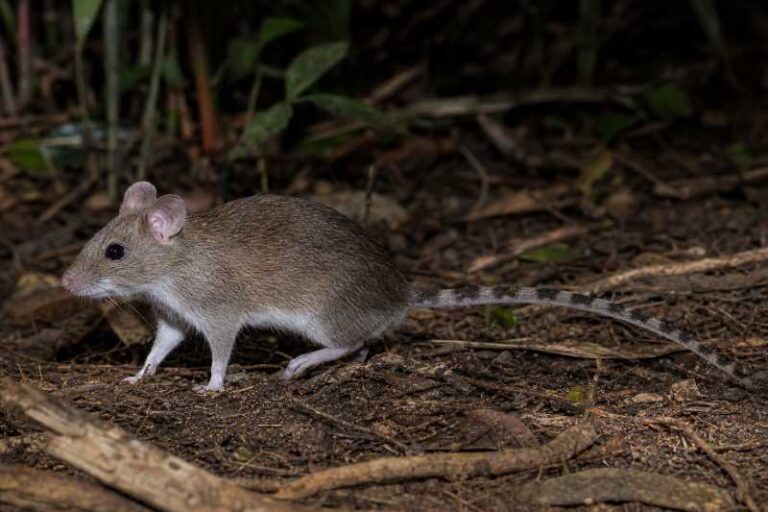
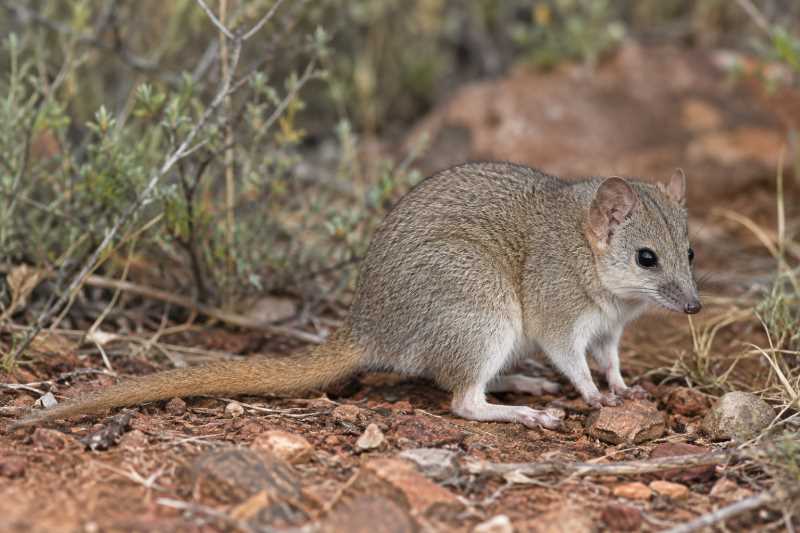
The Woolley’s Pseudantechinus is a small marsupial, typically weighing between 20 to 30 grams and measuring around 9 to 10 centimeters in body length, with a tail that is slightly longer. Their fur is generally a mix of grey and brown, which provides excellent camouflage against the rocky terrain of their natural habitat. One of the distinguishing features of this species is their pointed snout and rounded ears, which are adapted for their insectivorous diet and keen sense of hearing.
Range and Habitat
Woolley’s Pseudantechinus is primarily found in the arid regions of Western Australia. Their habitat is characterized by rocky outcrops and sparse vegetation, conditions under which few other mammals can thrive. The species is adapted to survive in these harsh environments, often taking refuge in rock crevices to escape the intense heat of the day and emerging at night to hunt.
Behavior and Diet
As nocturnal creatures, Woolley’s Pseudantechinus are most active during the night. They are predominantly insectivorous, feeding on a diet of ants, beetles, and other small invertebrates. Their hunting strategy involves using their acute sense of smell to locate prey under rocks and within leaf litter. Additionally, these marsupials exhibit solitary behavior, with individuals coming together only during the breeding season.
Identification Tips (Field Recognition Cues)
Identifying Woolley’s Pseudantechinus in the field can be challenging due to their elusive nature and the similarity to other small marsupials. Key identification cues include their small size, pointed snout, and distinctively patterned fur. Observers should also note their habitat preference for rocky terrains and their nocturnal activity patterns.
Conservation Status (With Threats and Protections)
Woolley’s Pseudantechinus is currently listed as Least Concern by the IUCN, indicating that the species is not at immediate risk of extinction. However, they face threats from habitat destruction due to mining and agricultural expansion, as well as predation by introduced species such as cats and foxes. Conservation efforts are focused on habitat protection and controlling invasive species populations to ensure the survival of this unique marsupial.
Frequently Asked Questions
- What adaptations allow Woolley’s Pseudantechinus to survive in arid environments?
Woolley’s Pseudantechinus has several adaptations for surviving in arid environments, including their ability to find shelter in rocky crevices to escape heat, a diet that minimizes water needs, and nocturnal habits that help avoid daytime temperatures.
- How does Woolley’s Pseudantechinus differ from other Pseudantechinus species?
While similar to other Pseudantechinus species, Woolley’s Pseudantechinus is distinguished by its specific fur pattern and its preference for extremely rocky habitats. Morphological features such as ear shape and snout length also aid in differentiation.
- Are there any conservation programs in place for Woolley’s Pseudantechinus?
Currently, conservation efforts include habitat protection initiatives and research programs aimed at understanding the ecological needs of Woolley’s Pseudantechinus. These efforts are crucial in mitigating the impacts of habitat degradation and invasive species.
- What is the breeding season for Woolley’s Pseudantechinus?
The breeding season for Woolley’s Pseudantechinus typically occurs in late winter to early spring. During this time, individuals briefly come together to mate before returning to their solitary lifestyles.
- Can Woolley’s Pseudantechinus be kept as pets?
Woolley’s Pseudantechinus is a wild species and is not suitable for domestication. Keeping them as pets is not recommended and may be illegal under wildlife protection laws.
Related posts