Introduction
The Jamaican Fig-eating Bat, scientifically known as Ariteus flavescens, is a unique species of bat endemic to the island of Jamaica. This fascinating mammal belongs to the family Phyllostomidae, a diverse group of bats commonly referred to as leaf-nosed bats. The Jamaican Fig-eating Bat plays a crucial role in the ecosystem, particularly in seed dispersal and pollination. As its name suggests, it has a particular affinity for figs, although its diet is not restricted to them. This article delves into the various aspects of this species, examining its physical characteristics, habitat preferences, behavior, and conservation status, among other things.
Physical Description
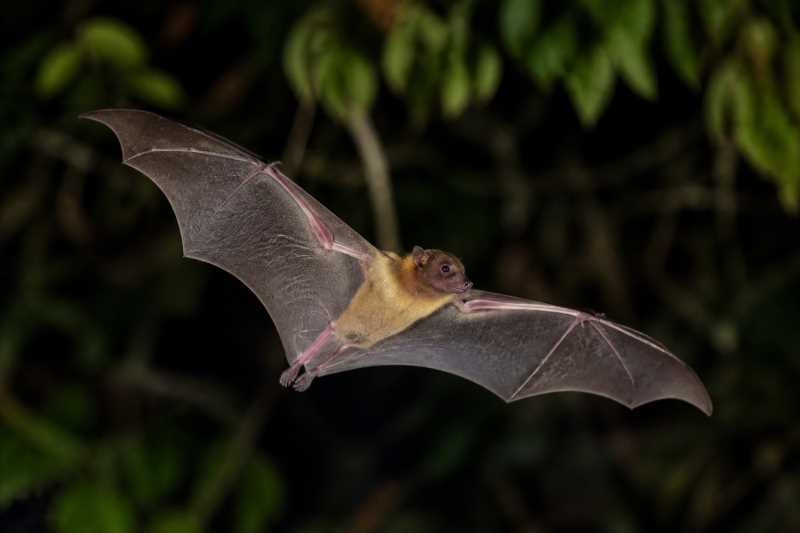
The Jamaican Fig-eating Bat is a small to medium-sized bat, with an average wingspan of approximately 30 centimeters. It is characterized by its distinctive leaf-shaped nose, which aids in echolocation, a crucial adaptation for navigating and hunting in the dark. The fur of Ariteus flavescens is soft and usually displays a brownish-yellow hue, which provides excellent camouflage against the backdrop of the Jamaican forests. This bat’s ears are moderately large, enhancing its ability to detect the faint sounds of prey and other environmental cues. The combination of these features not only aids in their nocturnal lifestyle but also plays a role in communication within their colonies.
Range and Habitat
Endemic to Jamaica, the Jamaican Fig-eating Bat is primarily found in the island’s humid tropical forests. These bats prefer habitats that offer abundant food resources, such as fruit-bearing trees and flowering plants, which are prevalent in the lush Jamaican ecosystem. Generally, they inhabit lower elevations, but they can also be found in some mid-elevation areas where their food sources are available. The bats roost in a variety of sites, including caves, tree hollows, and even man-made structures, demonstrating their adaptability to different environments.
Behavior and Diet
The Jamaican Fig-eating Bat is primarily frugivorous, with a diet that predominantly consists of figs and other fruits. However, they are known to consume nectar and pollen, and occasionally small insects, making them opportunistic feeders. Their feeding behavior plays a significant role in seed dispersal, which is vital for the maintenance and regeneration of their forest habitats. The social structure of these bats is complex; they often form small colonies that can range from a few individuals to several dozen. These colonies are integral to their survival, providing protection and facilitating social interactions.
Identification Tips (Field Recognition Cues)
Identifying the Jamaican Fig-eating Bat in the field involves observing several key characteristics:
- Nose Leaf: Look for the distinctive leaf-shaped protrusion on the nose, which is a hallmark of the Phyllostomidae family.
- Coloration: Notice the bat’s brownish-yellow fur, which can vary slightly in hue but generally provides excellent camouflage.
- Flight Pattern: Observe their agile and swift flight, which is adapted for navigating dense forest canopies.
- Size: Their small to medium size, with a wingspan of about 30 centimeters, can help differentiate them from other bat species in Jamaica.
Conservation Status (with Threats and Protections)
The Jamaican Fig-eating Bat is currently classified as Near Threatened on the IUCN Red List. The primary threats to their population include habitat destruction due to deforestation and human encroachment. As their natural habitats are converted for agricultural or urban development, these bats face increasing pressure on their food sources and roosting sites. Moreover, climate change poses an additional threat by altering the ecological dynamics of their habitats. Conservation efforts are underway to mitigate these threats, focusing on habitat preservation and restoration. Protected areas and environmental awareness campaigns are crucial components of these efforts, aiming to safeguard the future of this unique species.
Frequently Asked Questions
1. What does the Jamaican Fig-eating Bat eat? The Jamaican Fig-eating Bat primarily feeds on fruits, especially figs, but it also consumes nectar, pollen, and occasionally small insects.
2. Where can you find the Jamaican Fig-eating Bat? This bat species is endemic to Jamaica and is typically found in the island’s tropical forests, preferring areas with abundant fruiting trees and flowering plants.
3. How does the Jamaican Fig-eating Bat contribute to the ecosystem? The bat plays a vital role in seed dispersal and pollination, which helps maintain and regenerate the biodiversity of Jamaican forests.
4. What are the main threats to the Jamaican Fig-eating Bat? The primary threats include habitat destruction due to deforestation, human encroachment, and climate change, all of which impact their food sources and roosting sites.
5. How can we help conserve the Jamaican Fig-eating Bat? Conservation efforts include protecting their habitats through the establishment of protected areas, promoting reforestation, and raising awareness about the ecological importance of these bats.
Related posts