Introduction
The Steller Sea Lion, scientifically known as Eumetopias jubatus, is one of the most fascinating marine mammals inhabiting the northern Pacific Ocean. Renowned for their impressive size and loud vocalizations, these sea lions are the largest members of the Otariidae family. Their presence is critical to the marine ecosystems where they reside, serving as both predators and prey in the complex food web. This article explores the intriguing world of the Steller Sea Lion, offering insights into their physical characteristics, natural habitats, behaviors, conservation status, and more.
Physical Description
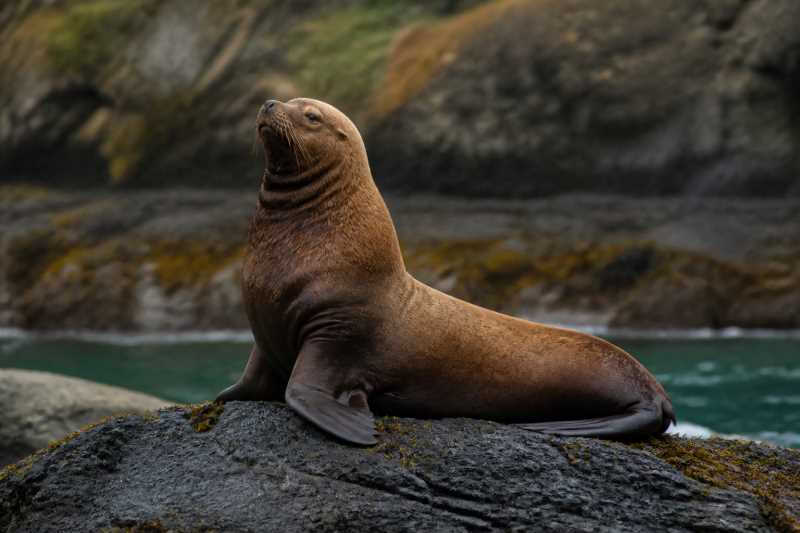
Steller Sea Lions are distinguished by their large size, with males significantly larger than females. Adult males, known as bulls, can grow to lengths of up to 11 feet (3.3 meters) and weigh as much as 2,500 pounds (1,100 kilograms). Females, or cows, are smaller, typically reaching lengths of around 9 feet (2.7 meters) and weighing approximately 770 pounds (350 kilograms).
Their coats are typically a light tan to reddish-brown color, which darkens when wet. Steller Sea Lions have a robust and muscular build, with a broad chest and powerful front flippers that aid in their adept swimming abilities. Males are distinguished by a thick neck and a mane of coarse hair, giving them a lion-like appearance that contributed to their common name.
Steller Sea Lions undergo molting, where they shed old fur and grow new coats. This typically occurs annually and can be a critical period for the animals as it affects their buoyancy and insulation.
Range and Habitat
Steller Sea Lions inhabit the North Pacific Ocean, with a range extending from the coast of California, northward to the Gulf of Alaska, and across the Bering Sea to the Russian Far East, including the Sea of Okhotsk and the Kuril Islands.
These marine mammals are often found on rocky shores, sandy beaches, and coastal islands, where they haul out to rest, breed, and molt. They prefer areas with easy access to deep water, where they can hunt for food. During the breeding season, they congregate in large colonies on rookeries, where males establish territories and compete for access to females.
The distribution of Steller Sea Lions is divided into two distinct populations: the Eastern and Western stocks. The Eastern stock ranges from southeast Alaska to California, while the Western stock is found from the Gulf of Alaska to Russia.
Behavior and Diet
Steller Sea Lions are social animals, often seen in groups both on land and at sea. Their behavior is characterized by loud vocalizations, including roaring and barking, which are used for communication among individuals, particularly during the breeding season.
Their diet is diverse, primarily consisting of fish and invertebrates. Common prey includes pollock, herring, squid, octopus, and various species of rockfish. Steller Sea Lions are opportunistic feeders, adapting their diet based on prey availability and season.
During the breeding season, which occurs from late May to early July, males establish territories on rookeries and engage in fierce battles to control access to females. Females give birth to a single pup after a gestation period of about 11 months, and maternal care is intensive, with mothers nursing their pups for up to a year.
Identification Tips (field recognition cues)
Identifying Steller Sea Lions in the wild can be a rewarding experience for marine enthusiasts. Here are some key identification tips:
- Size and Build: Look for their large size and robust, muscular body. Males are particularly massive and have a distinctive mane.
- Coloration: Note the light tan to reddish-brown coat, which is darker when wet.
- Vocalizations: Listen for their loud roars and barks, especially during the breeding season.
- Behavior: Observe their social nature and tendency to haul out in large groups on rocky or sandy shores.
- Habitat: Look for them in areas with access to deep waters, such as coastal islands and rocky outcrops.
Conservation Status (with threats and protections)
The conservation status of the Steller Sea Lion varies between its two populations. The Eastern stock has shown signs of recovery and is currently listed as "Least Concern" by the International Union for Conservation of Nature (IUCN). In contrast, the Western stock has faced significant declines and is classified as "Endangered."
Threats
- Overfishing: Competition with commercial fisheries for prey species such as pollock and herring can lead to food scarcity.
- Habitat Disturbance: Human activities, including shipping, tourism, and coastal development, can disrupt their habitats.
- Pollution: Oil spills, plastic debris, and chemical pollutants pose serious risks to their health.
- Climate Change: Changes in sea temperature and ice cover can impact prey availability and habitat suitability.
Protections
- Legal Protections: In the United States, Steller Sea Lions are protected under the Marine Mammal Protection Act and the Endangered Species Act.
- Conservation Efforts: Various conservation programs and research initiatives aim to monitor populations, protect habitats, and mitigate human impacts.
- Public Awareness: Education and awareness campaigns play a crucial role in informing the public about the importance of conserving these marine mammals.
Frequently Asked Questions
What is the difference between a Steller Sea Lion and a California Sea Lion?
Steller Sea Lions are significantly larger than California Sea Lions. Males can weigh up to 2,500 pounds compared to the California Sea Lion’s 850 pounds. Steller Sea Lions have a lighter, tannish coat, whereas California Sea Lions are darker.
How long do Steller Sea Lions live?
Steller Sea Lions have a lifespan of 20 to 30 years in the wild. Males typically do not live as long as females due to the physical demands of maintaining territories during the breeding season.
Why are Steller Sea Lions endangered?
The Western stock of Steller Sea Lions is endangered due to factors such as overfishing, habitat disturbance, pollution, and climate change, which have contributed to significant population declines.
How do Steller Sea Lions communicate?
Steller Sea Lions communicate using a variety of vocalizations, including roaring, barking, and growling. These sounds are used for social interactions, mating displays, and territorial defense.
Where can I see Steller Sea Lions in the wild?
Steller Sea Lions can be observed along the coasts of the North Pacific Ocean, especially in areas like the Gulf of Alaska, Bering Sea, and the Russian Far East. Coastal islands and rocky outcrops are prime locations for sightings.
Related posts