Introduction
The Eastern Rainforest Thicket Rat, scientifically known as Thamnomys kuru, is a fascinating yet lesser-known species of rodent that dwells within the dense, biodiverse landscapes of Eastern Africa’s rainforests. An integral part of the ecosystem, this species plays a pivotal role in the food web, contributing to seed dispersal and serving as prey for numerous predators. Despite its significance, the Eastern Rainforest Thicket Rat remains shrouded in mystery due to its elusive nature and the challenging habitats it occupies.
Physical Description
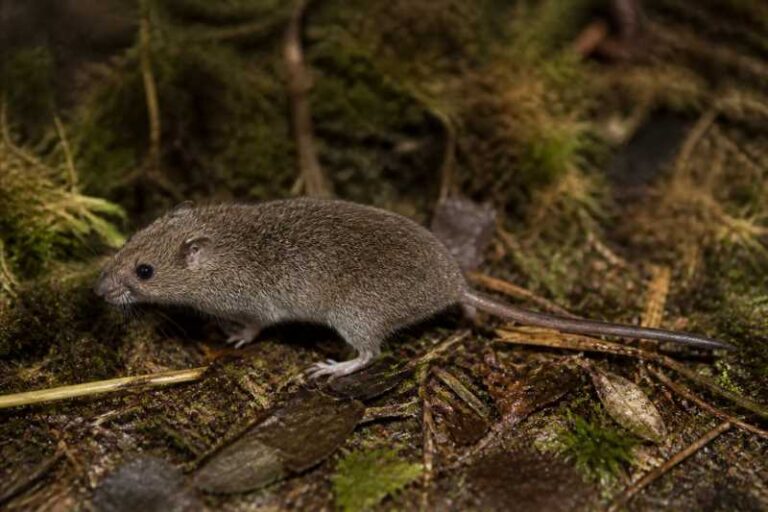
The Eastern Rainforest Thicket Rat is distinguished by its medium-sized body, which typically measures around 12 to 18 centimeters in length, excluding the tail. The tail itself is often equal to or slightly longer than the body, aiding in balance and agility as the rat navigates through the forest undergrowth. This species boasts a dense, coarse pelage, with coloration ranging from a muted brown to a dark, charcoal gray, providing excellent camouflage against the forest floor’s leaf litter. Its underbelly is usually lighter, often appearing off-white or a pale gray. The rat’s small, rounded ears and large, dark eyes are adapted for nocturnal activity, optimizing its ability to detect predators and forage in low-light conditions.
Range and Habitat
The Eastern Rainforest Thicket Rat is endemic to the montane and lowland rainforests of Eastern Africa. Its distribution is predominantly within countries such as Tanzania, Kenya, Uganda, and the eastern Democratic Republic of Congo. This species thrives in a variety of forested environments, from primary rainforests with dense canopy cover to secondary forests and thicket vegetation, which provide ample food resources and shelter. The rat’s preference for humid, forested areas is indicative of its dependency on a stable, unfragmented habitat, which is increasingly under threat from human activities.
Behavior and Diet
Nocturnal by nature, the Eastern Rainforest Thicket Rat is most active during the twilight hours, when it embarks on foraging expeditions. Its diet is omnivorous, consisting primarily of seeds, fruits, and plant material, supplemented by insects and small invertebrates. This dietary flexibility not only aids in its survival across various microhabitats within the rainforest but also positions the rat as an important seed disperser, contributing to forest regeneration. Socially, the Eastern Rainforest Thicket Rat is relatively solitary, although sightings of small family groups are not uncommon, particularly during the breeding season.
Identification Tips
For field researchers and enthusiasts eager to spot the Eastern Rainforest Thicket Rat, several key identification cues can aid in recognition:
- Size and Shape: Look for a medium-sized rodent with a notably long tail, often as long as or longer than the body.
- Coloration: Note the dark brown to gray fur, which blends seamlessly with the forest floor, and the lighter underbelly.
- Ears and Eyes: Their small, rounded ears and large eyes are adapted for nocturnal activity, providing a distinctive silhouette.
- Behavior Patterns: Observe foraging behavior during dawn or dusk, when these rats are most active.
Conservation Status
The Eastern Rainforest Thicket Rat is currently classified as Least Concern on the IUCN Red List, but this status belies the potential threats that loom over its existence. The primary threats facing this species include habitat destruction due to logging, agricultural expansion, and urban development, which result in significant fragmentation of its rainforest habitat. Additionally, climate change poses a long-term threat, potentially altering the delicate balance of these ecosystems. Conservation efforts are critical, focusing on habitat preservation and the establishment of protected areas to ensure the survival of this species. Continued research and monitoring are essential to better understand population dynamics and to devise effective conservation strategies.
Frequently Asked Questions
1. What role does the Eastern Rainforest Thicket Rat play in its ecosystem?
The Eastern Rainforest Thicket Rat plays a crucial ecological role as both a seed disperser and a prey species. By consuming and dispersing seeds, it aids in plant regeneration and forest sustainability. Additionally, it serves as a vital food source for a variety of predators, maintaining the balance within the food web.
2. How can one spot an Eastern Rainforest Thicket Rat in the wild?
To spot an Eastern Rainforest Thicket Rat, it’s best to look during dawn or dusk in dense forested areas. Pay attention to their distinctive size, long tails, and behavior patterns as they forage for food. Observers should also listen for rustling sounds in the leaf litter, which can indicate their presence.
3. Are Eastern Rainforest Thicket Rats endangered?
Currently, the Eastern Rainforest Thicket Rat is listed as Least Concern. However, ongoing habitat destruction and fragmentation pose significant threats. Conservation efforts are necessary to prevent future population declines and to safeguard their natural habitat.
4. What adaptations help the Eastern Rainforest Thicket Rat survive in its environment?
The Eastern Rainforest Thicket Rat has several adaptations that aid its survival, including nocturnal habits, camouflaged fur, and a flexible diet. These traits allow it to effectively navigate and forage within the dense forest environment, minimizing predation risks while maximizing resource availability.
Related posts