Introduction
Lucas’s Short-nosed Fruit Bat, scientifically named Penthetor lucasii, is an intriguing species of fruit bat belonging to the family Pteropodidae. This bat species, found primarily in Southeast Asia, plays a significant ecological role in seed dispersal and pollination, contributing to the biodiversity of its habitat. Despite its importance, the bat faces several conservation challenges, primarily due to habitat loss and human activities.
Physical Description
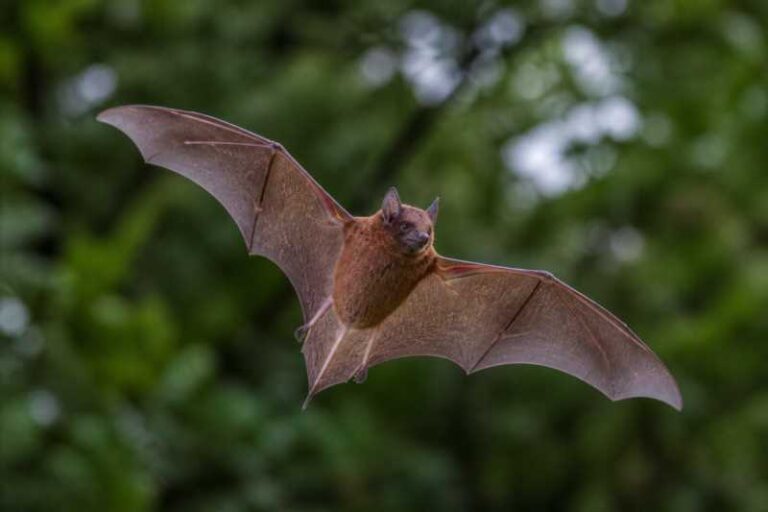
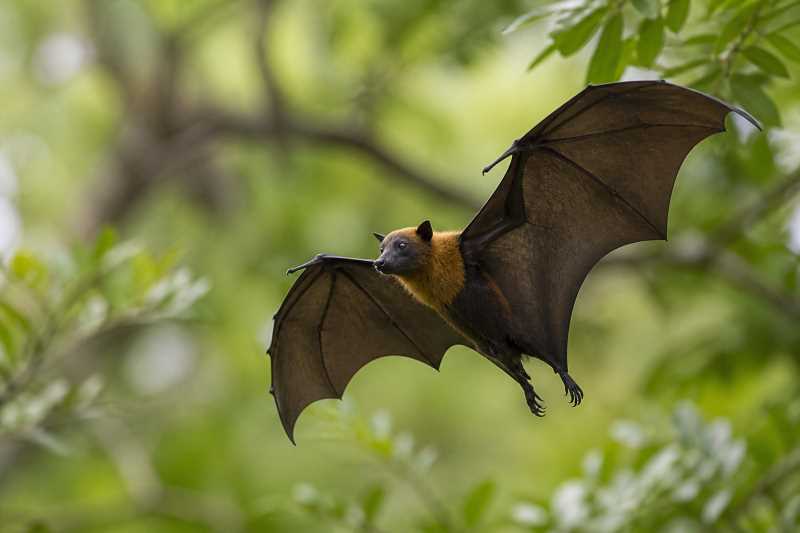
Lucas’s Short-nosed Fruit Bat is characterized by its relatively small size compared to other fruit bats, with an average wingspan of about 40 to 50 centimeters. The bat’s body length ranges from 8 to 10 centimeters, and it typically weighs between 40 to 70 grams. As its name suggests, this species is notable for its short snout, which is an adaptation for its frugivorous diet.
The fur of Penthetor lucasii is generally a dark brown or grey, providing excellent camouflage against tree bark and leaves. This coloring helps the bat blend into its surroundings, especially during daytime roosting. The wings are long and narrow, adapted for efficient gliding through dense forest canopies. The eyes are large and adapted for low-light vision, allowing these bats to navigate and forage during twilight and night.
Range and Habitat
Lucas’s Short-nosed Fruit Bat is indigenous to the tropical and subtropical regions of Southeast Asia. Its range extends across several countries, including Malaysia, Indonesia, Thailand, and the Philippines. The bat prefers lowland forests, often inhabiting areas near rivers and streams, where fruit is abundant.
These bats are primarily found in primary and secondary forests, but they can also adapt to agricultural areas, provided there are sufficient food resources. Unfortunately, the ongoing deforestation for agricultural expansion and urban development poses a significant threat to their natural habitat, leading to population declines in some regions.
Behavior and Diet
Lucas’s Short-nosed Fruit Bat is nocturnal, spending its days roosting in tree canopies or caves and emerging at dusk to forage. They are social animals, often found in groups, which can range from a few individuals to several hundred, depending on the availability of food and roosting sites.
The diet of Penthetor lucasii mainly consists of fruits, particularly figs, mangoes, and bananas. Their role as seed dispersers is crucial for forest regeneration, as they consume fruit and excrete seeds away from the parent plant, facilitating plant spread. In addition to fruits, they may occasionally feed on nectar, contributing to the pollination of various plant species.
Identification Tips (Field Recognition Cues)
Identifying Lucas’s Short-nosed Fruit Bat in the field requires careful observation of several key characteristics:
- Size and Shape: Look for a small to medium-sized bat with a wingspan of 40-50 cm and a short, broad snout.
- Coloration: Notice the dark brown or grey fur that allows it to blend into tree bark and foliage.
- Behavior: Observe their social roosting habits and nocturnal foraging activities.
- Habitat: Check areas with abundant fruit trees, especially near water sources.
These identification tips can help distinguish Penthetor lucasii from other bat species in its habitat.
Conservation Status (with Threats and Protections)
Lucas’s Short-nosed Fruit Bat is currently classified as Near Threatened on the IUCN Red List. The primary threats to their survival include habitat destruction due to deforestation, agricultural expansion, and urbanization. Additionally, hunting and disturbance of roost sites pose significant risks.
Conservation efforts are underway to protect this bat species, including habitat preservation and restoration projects. Protected areas in Southeast Asia provide some refuge, but ongoing habitat loss outside these areas continues to be a concern. Raising awareness about the ecological importance of bats and promoting coexistence with human populations are critical components of conservation strategies.
Frequently Asked Questions
What is Lucas’s Short-nosed Fruit Bat’s primary diet?
Lucas’s Short-nosed Fruit Bat primarily feeds on fruits such as figs, mangoes, and bananas. They play a vital role in seed dispersal and forest regeneration through their frugivorous diet.
Where can Lucas’s Short-nosed Fruit Bat be found?
This bat species is found in Southeast Asia, particularly in countries like Malaysia, Indonesia, Thailand, and the Philippines. They inhabit lowland forests and areas near rivers and streams.
How does habitat loss affect Lucas’s Short-nosed Fruit Bat?
Habitat loss due to deforestation, agricultural expansion, and urban development significantly threatens Lucas’s Short-nosed Fruit Bat by reducing available roosting and foraging sites, leading to population declines.
What role do Lucas’s Short-nosed Fruit Bats play in the ecosystem?
These bats are crucial for seed dispersal and pollination, aiding in plant diversity and forest regeneration. Their feeding habits help spread seeds and pollinate flowers, maintaining healthy ecosystems.
How can we help conserve Lucas’s Short-nosed Fruit Bat?
Conservation efforts include protecting and restoring natural habitats, creating awareness about their ecological significance, and promoting coexistence with human populations. Supporting local conservation initiatives can also help protect this species.
Related posts