Introduction
The Vogelkop Mountain Rat, scientifically known as Rattus arfakiensis, is a lesser-known species of rodent that inhabits the highland regions of New Guinea. This elusive mammal is part of the extensive Rattus genus, which includes many well-known species such as the common brown rat and black rat. However, the Vogelkop Mountain Rat stands out due to its unique adaptation to the montane environments of the Vogelkop Peninsula. Despite its obscurity, this species plays a crucial role in its ecosystem, contributing to the biodiversity and ecological balance of its habitat.
Understanding the Vogelkop Mountain Rat is essential for conservation efforts, especially as its habitat faces increasing threats from human activities and climate change. This article provides an in-depth exploration of this fascinating species, covering its physical characteristics, habitat preferences, behavior, diet, and conservation status.
Physical Description
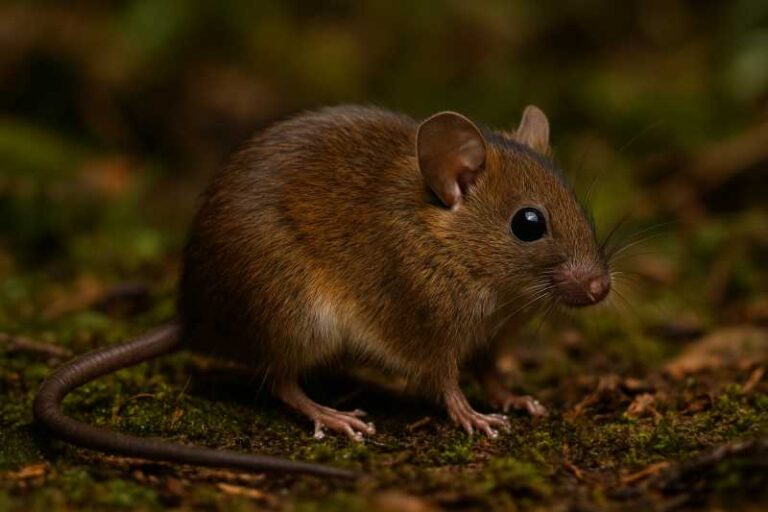
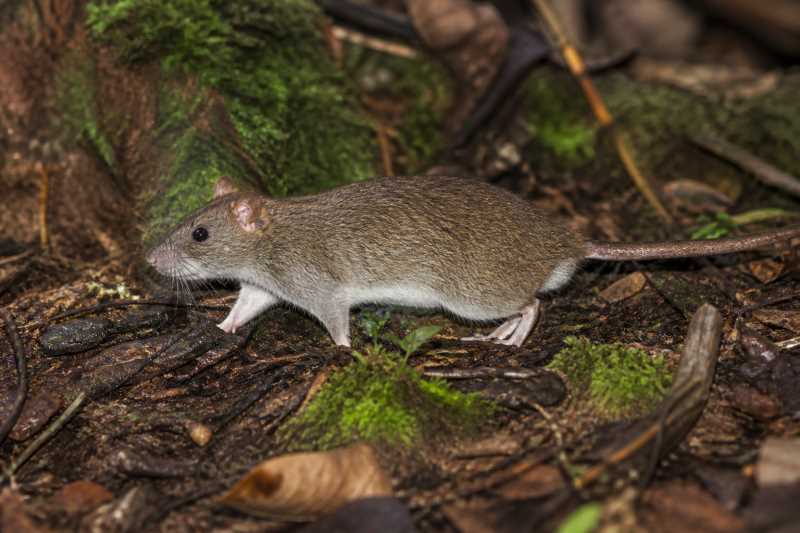
The Vogelkop Mountain Rat is a medium-sized rodent distinguished by several unique physical traits that adapt it to its high-altitude environment. Adult individuals typically measure between 20 to 25 centimeters in body length, with a tail that is slightly shorter than the body, ranging from 18 to 22 centimeters. This tail length is characteristic of many montane rodents, aiding in balance and agility through rugged terrains.
The fur of the Vogelkop Mountain Rat is dense and soft, providing necessary insulation against the cooler temperatures of its mountainous habitat. The coloration is generally a mix of grays and browns, which offers effective camouflage against the rocky and forested backgrounds it inhabits. The underbelly is lighter, often a soft cream or pale gray, which blends seamlessly with the dappled light of the forest floor.
Another notable feature is its large, rounded ears and sharp, beady eyes, which are adaptations for acute hearing and vision, essential for detecting predators and navigating through dense vegetation. Its limbs are relatively strong and short, with sharp claws that facilitate climbing and digging.
Range and Habitat
The Vogelkop Mountain Rat is endemic to the Vogelkop Peninsula, located in the western part of New Guinea, Indonesia. This region is known for its rugged terrain and diverse ecosystems, ranging from lowland rainforests to alpine grasslands. The Vogelkop Mountain Rat is primarily found in montane forests at elevations between 1,500 to 3,000 meters above sea level.
These high-altitude environments are characterized by cooler temperatures, high humidity, and dense vegetation, including a rich understory of ferns and mosses. The species is particularly associated with forested areas that have a complex structure of trees, shrubs, and ground cover, which provide ample resources for foraging and nesting.
The rat’s preference for such habitats highlights its role in the ecosystem as both a prey species for larger predators and a seed disperser, contributing to forest regeneration and biodiversity.
Behavior and Diet
The Vogelkop Mountain Rat is primarily nocturnal, spending the majority of its active hours at night. This behavior helps it avoid diurnal predators and take advantage of cooler nighttime temperatures. These rats are solitary creatures, interacting with others primarily during the breeding season.
Their diet is omnivorous, consisting of a variety of plant and animal matter. They feed on seeds, fruits, leaves, and small invertebrates, which they forage from the forest floor and surrounding vegetation. Their role as seed dispersers is crucial, as they help maintain the plant diversity of their habitat.
The species is known for its keen sense of smell and touch, which it uses to locate food and navigate through its environment. Its burrowing and climbing abilities also aid in accessing various food sources and avoiding predators.
Identification Tips (Field Recognition Cues)
Identifying the Vogelkop Mountain Rat in the field requires attention to several key features:
- Size and Shape: Look for a medium-sized rat with a robust body, measuring around 20-25 cm in length, with a tail slightly shorter than its body.
- Fur and Coloration: Its dense fur is a mix of grays and browns, with a lighter underbelly. This coloration helps it blend into its forested surroundings.
- Ears and Eyes: The rat has large, rounded ears and sharp, beady eyes, adaptations for its nocturnal lifestyle.
- Habitat: Typically found in montane forests at elevations of 1,500 to 3,000 meters, often in areas with dense understory vegetation.
- Behavior: Nocturnal and solitary, it is more likely to be heard rustling through vegetation or seen as a quick, darting movement at night.
Conservation Status (with Threats and Protections)
The conservation status of the Vogelkop Mountain Rat is currently classified as "Data Deficient" by the International Union for Conservation of Nature (IUCN). This classification highlights the lack of comprehensive data regarding its population size and trends, habitat range, and specific threats.
However, several potential threats to its survival have been identified. Habitat destruction due to logging, agriculture, and human settlement poses significant risks, as these activities lead to fragmentation and loss of its montane forest habitat. Additionally, climate change could alter the temperature and humidity levels of its environment, further stressing the species.
Conservation efforts are needed to preserve the natural habitats of the Vogelkop Mountain Rat. Protected areas within the Vogelkop Peninsula play a crucial role in safeguarding its habitat. Further research is essential to understand its ecology, population dynamics, and to develop effective conservation strategies.
Frequently Asked Questions
What is the diet of the Vogelkop Mountain Rat?
The Vogelkop Mountain Rat is an omnivore, feeding on seeds, fruits, leaves, and small invertebrates. Its diet varies with the availability of resources in its montane forest habitat.
Where can the Vogelkop Mountain Rat be found?
This species is found in the montane forests of the Vogelkop Peninsula in western New Guinea, Indonesia, at elevations between 1,500 and 3,000 meters.
How does the Vogelkop Mountain Rat contribute to its ecosystem?
The Vogelkop Mountain Rat plays a key role in seed dispersal, aiding in plant diversity and forest regeneration. It also serves as prey for larger predators, maintaining ecological balance.
What are the main threats to the Vogelkop Mountain Rat?
The primary threats include habitat destruction due to logging, agriculture, and human settlement, as well as potential impacts from climate change.
How can the Vogelkop Mountain Rat be identified in the wild?
Identification involves noting its medium size, dense gray-brown fur, large ears and eyes, and its presence in high-altitude montane forests.
Related posts