Introduction
The Black-tailed Gerbil, scientifically known as Gerbilliscus nigricaudus, is a fascinating rodent species belonging to the family Muridae. Known for its distinctive tail and adaptive behaviors, this species has captivated researchers and nature enthusiasts alike. This article delves into various aspects of the Black-tailed Gerbil, including its physical characteristics, habitat preferences, behaviors, diet, and conservation status. Our goal is to provide comprehensive insights into this remarkable mammal while optimizing for search engines to ensure easy accessibility for those interested in learning more about this intriguing species.
Physical Description
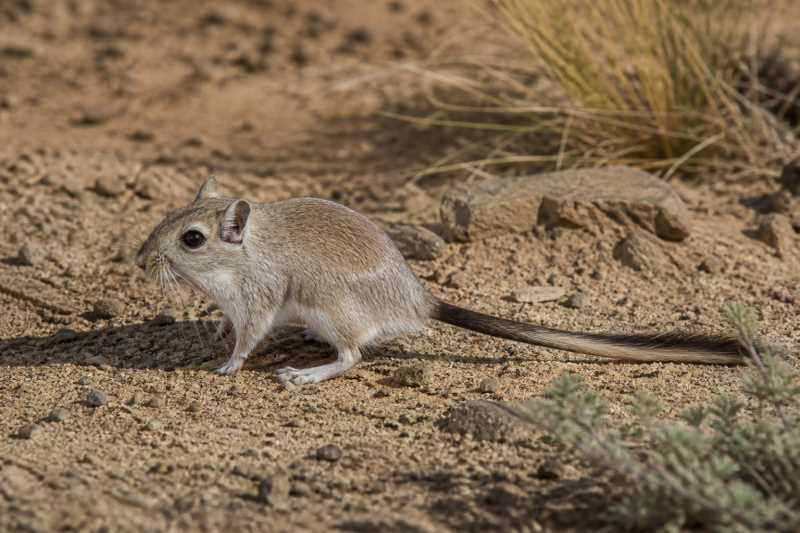
The Black-tailed Gerbil is a medium-sized rodent, with adults typically measuring between 15 to 20 centimeters in body length, excluding the tail. The tail itself adds another 10 to 15 centimeters and is notably darker, providing the species with its common name. This dark tail is not only a distinguishing feature but also plays a role in balance and communication.
The fur of the Black-tailed Gerbil is generally light brown to sandy in color, providing excellent camouflage in its natural habitat. The underbelly is lighter, often white or cream-colored, which can help in thermoregulation. The gerbil’s large, dark eyes are adapted for its predominantly nocturnal lifestyle, allowing for enhanced night vision. Its ears are moderately large, aiding in acute hearing, which is crucial for detecting predators.
Their limbs are well-adapted for digging and burrowing, with strong claws that facilitate the creation of elaborate underground tunnel systems. These physical adaptations highlight the gerbil’s evolutionary success in arid environments.
Range and Habitat
The Black-tailed Gerbil is primarily found in the arid and semi-arid regions of East Africa. Its range includes countries such as Kenya, Tanzania, and Ethiopia. Within these regions, the gerbil prefers open grasslands, shrublands, and savannas, where it can easily dig burrows in sandy or loose soils.
These habitats provide not only suitable conditions for burrowing but also an abundance of seeds, grasses, and insects, which form the bulk of the gerbil’s diet. The gerbil’s preference for dry, open areas is also a strategic choice that minimizes competition with other rodent species that inhabit more forested or wetter environments.
Behavior and Diet
The Black-tailed Gerbil is primarily nocturnal, engaging in most of its activities during the night. This behavior helps them avoid the extreme daytime temperatures of their habitats and reduces the risk of predation.
Socially, Black-tailed Gerbils are known to live in small family groups. Their communal burrows can be complex, with multiple entrances and chambers for nesting and food storage. These structures provide protection from predators and harsh weather conditions.
Diet-wise, the Black-tailed Gerbil is omnivorous, with a preference for seeds, grasses, and insects. During the dry season, when food is scarce, they have been observed to consume more insects to meet their nutritional needs. Their diet is not only a reflection of availability but also an adaptation to their environment, allowing them to thrive in areas where other food sources may be limited.
Identification Tips (Field Recognition Cues)
Identifying the Black-tailed Gerbil in the field can be achieved by noting several key characteristics:
- Tail Coloration: Look for the distinct black tail, which contrasts with the lighter body fur.
- Body Size and Shape: Medium-sized with a slender, elongated body typical of gerbils.
- Fur Color: Sandy to light brown fur with a lighter underbelly.
- Ear and Eye Size: Large ears and eyes, adaptations for nocturnal activity.
- Burrowing Evidence: Presence of burrow systems in open grasslands or savannas.
By focusing on these features, observers can accurately identify the Black-tailed Gerbil in its natural habitat.
Conservation Status (with Threats and Protections)
As of the latest assessments, the Black-tailed Gerbil is classified as "Least Concern" by the International Union for Conservation of Nature (IUCN). This classification reflects the species’ wide distribution and presumed large population.
However, like many species, the Black-tailed Gerbil faces threats from habitat destruction due to agricultural expansion and human encroachment. Overgrazing by livestock can also degrade their natural habitats, leading to reduced availability of food and burrowing sites.
Conservation efforts for the Black-tailed Gerbil focus on habitat protection and sustainable land-use practices. By safeguarding the ecosystems they inhabit, we can ensure the long-term survival of this species.
Frequently Asked Questions
What do Black-tailed Gerbils eat?
Black-tailed Gerbils are omnivorous, primarily consuming seeds, grasses, and insects. Their diet varies with the seasons, increasing insect consumption during dry periods when plant materials are scarce.
How do Black-tailed Gerbils communicate?
Gerbils communicate through a combination of vocalizations, scent markings, and physical behaviors such as foot drumming. These methods help them convey information about territory, reproductive status, and danger.
Are Black-tailed Gerbils endangered?
Currently, Black-tailed Gerbils are not considered endangered. They are classified as "Least Concern" by the IUCN due to their widespread distribution and stable population numbers.
What is the lifespan of a Black-tailed Gerbil in the wild?
In the wild, Black-tailed Gerbils typically live for about 2 to 3 years. Their lifespan can be influenced by factors such as predation, availability of food, and environmental conditions.
Can Black-tailed Gerbils be kept as pets?
While gerbils are popular pets, the Black-tailed Gerbil specifically is not commonly kept in captivity. Most pet gerbils belong to other species such as the Mongolian Gerbil.
Related posts