Introduction
The Taiga Shrew, scientifically known as Sorex isodon, is a fascinating small mammal that inhabits the vast taiga biome. This species is an integral part of the ecosystem, playing a significant role in soil aeration and the food web. Despite its importance, the Taiga Shrew remains relatively understudied compared to other shrew species. This article will delve into various aspects of the Taiga Shrew, including its physical characteristics, habitat, behavior, diet, and conservation status.
Physical Description
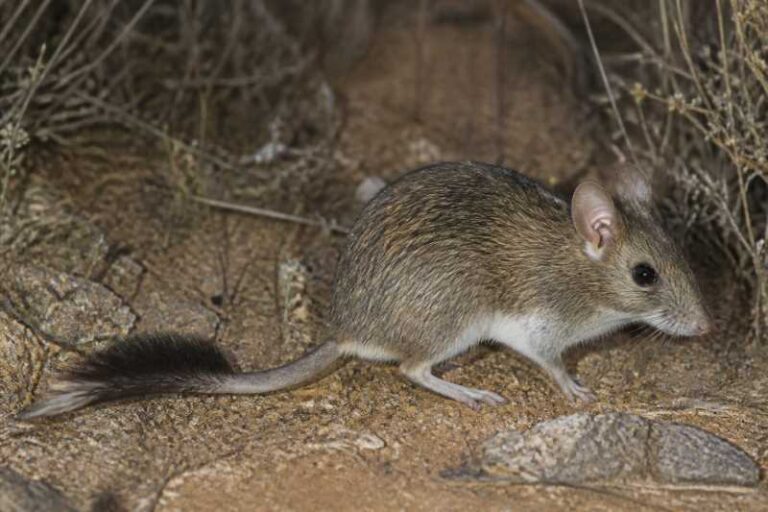
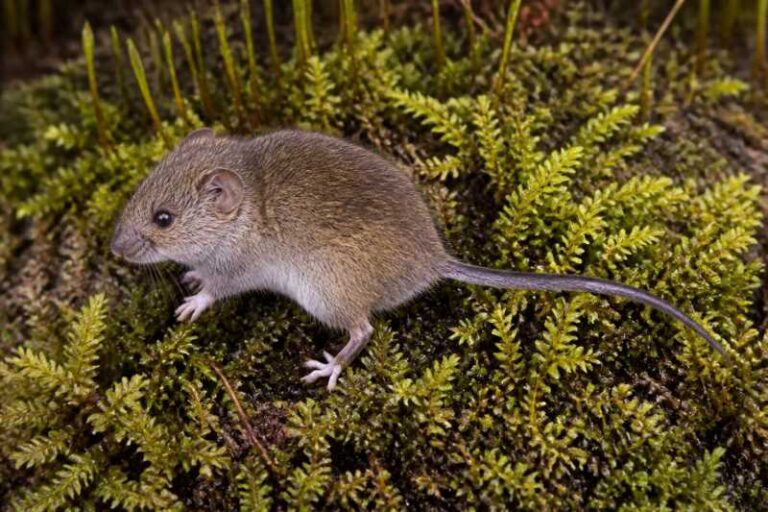
The Taiga Shrew is a small mammal with a body length ranging from 5 to 8 centimeters, excluding its tail, which adds another 3 to 4 centimeters. It typically weighs between 4 and 8 grams. This diminutive creature possesses a dense, velvety fur coat that is highly adapted to its cold habitat. The fur is usually a dark brown or grayish color, providing camouflage against the forest floor.
A distinctive feature of the Taiga Shrew is its long, pointed snout, which is highly sensitive and aids in locating insects and other prey items. It has small, beady eyes and ears that are almost completely hidden by its fur, minimizing heat loss. The shrew’s feet are equipped with sharp claws that facilitate digging and foraging in the dense underbrush of its habitat.
Range and Habitat
The Taiga Shrew is primarily found across the taiga biome, which spans the northern parts of Europe, Asia, and North America. It thrives in cold, moist environments, typically residing in dense coniferous forests. The species has been documented in countries such as Russia, Finland, Norway, and parts of Canada.
The habitat of the Taiga Shrew is characterized by coniferous trees, such as pines, spruces, and larches, which provide ample cover and foraging opportunities. The forest floor, often covered in a thick layer of moss and leaf litter, offers an ideal environment for the shrew to hunt for food and escape predators.
Behavior and Diet
The Taiga Shrew is primarily nocturnal, although it may exhibit some diurnal activity, especially during the breeding season. It is a solitary and territorial animal, with individuals maintaining exclusive territories that they defend vigorously against intruders.
Its diet is composed mainly of insects, spiders, and other small invertebrates. The shrew uses its keen sense of smell and acute hearing to detect prey. It is an active hunter, constantly foraging to meet its high metabolic demands. In addition to invertebrates, the Taiga Shrew may occasionally consume plant matter, such as seeds and berries, particularly when insect prey is scarce.
Identification Tips
Identifying the Taiga Shrew in the field can be challenging due to its small size and elusive nature. However, several key features can aid in recognition:
- Size and Shape: Look for a small, mouse-like creature with a long, pointed snout and a relatively short tail.
- Fur Color: The shrew’s fur is typically dark brown or gray, which blends well with the forest floor.
- Movement: The Taiga Shrew moves quickly and erratically, often pausing to sniff the ground.
- Habitat: It is typically found in dense, moist coniferous forests with ample ground cover.
Conservation Status
The Taiga Shrew is currently not listed as endangered, but it does face several threats that could impact its population in the future. Habitat loss due to logging and deforestation is a primary concern, as these activities reduce the availability of suitable habitats.
Climate change also poses a significant threat to the Taiga Shrew, as rising temperatures could alter the delicate balance of the taiga ecosystem. Furthermore, the species may be affected by pollution and pesticide use, which can reduce prey availability and contaminate their food sources.
Conservation efforts for the Taiga Shrew include habitat protection and monitoring population trends. Establishing protected areas within the taiga biome and implementing sustainable forestry practices are crucial steps in ensuring the long-term survival of this species.
Frequently Asked Questions
1. What adaptations help the Taiga Shrew survive in cold environments?
The Taiga Shrew has several adaptations for cold environments, including its dense fur coat that provides insulation, and its small ears and eyes, which reduce heat loss. Additionally, its high metabolic rate helps generate body heat.
2. How does the Taiga Shrew contribute to its ecosystem?
The Taiga Shrew plays a crucial role in the ecosystem by controlling insect populations and contributing to soil aeration through its foraging activities. It also serves as prey for larger predators, such as owls and foxes.
3. Are Taiga Shrews social animals?
No, Taiga Shrews are solitary animals. They establish and defend territories and only come together during the breeding season.
4. How can climate change affect the Taiga Shrew?
Climate change can alter the Taiga Shrew’s habitat by affecting the temperature and moisture levels in the taiga biome. These changes can impact the availability of prey and suitable living conditions.
5. What efforts are being made to conserve the Taiga Shrew?
Conservation efforts for the Taiga Shrew include habitat protection through the establishment of protected areas and promoting sustainable forestry practices to minimize habitat destruction.
Related posts