Introduction
The Congo Tateril (Taterillus congicus), a small yet fascinating rodent species, inhabits the lush and diverse ecosystems of Central Africa. This mammal, belonging to the Gerbillinae subfamily, is often overshadowed by its more famous relatives like the gerbils, yet plays a crucial role in its environment. Understanding the Congo Tateril’s physical characteristics, habitat preferences, and behaviors can provide valuable insights into the ecological dynamics of the regions it inhabits. As conservation efforts intensify across the globe, highlighting the species’ conservation status and strategies for protection is pivotal.
Physical Description
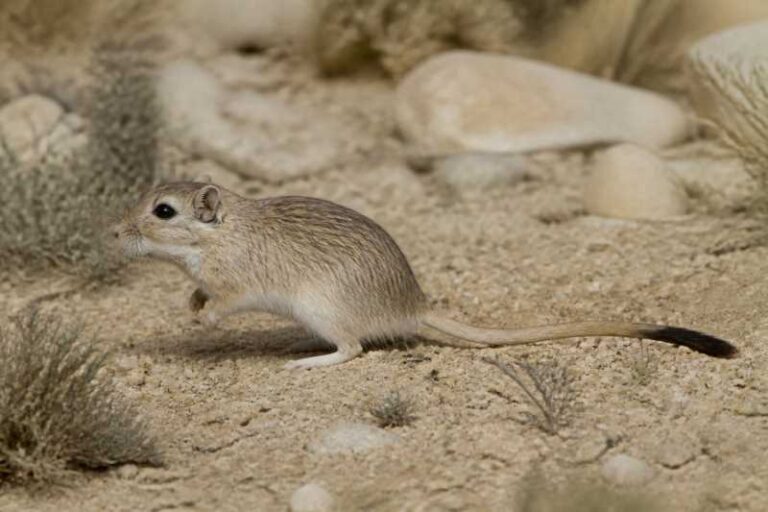
The Congo Tateril is a small rodent, characterized by its soft, dense fur, which provides an added layer of protection against the elements. Typically, this species exhibits a light brown to grayish fur color on its dorsal side, with a paler, almost white underside. This coloration not only aids in camouflage but also helps in thermoregulation.
Adult Congo Taterils usually measure about 10 to 15 centimeters in body length, with a tail that can extend an additional 12 to 18 centimeters, aiding in balance and agility. The tail is notably bushy, a feature that distinguishes it from other rodents. Their ears are relatively large, enhancing their auditory capabilities, vital for detecting predators. These rodents possess sharp incisors, which are continuously growing, necessitating constant gnawing to keep them at a manageable length.
Range and Habitat
The Congo Tateril is predominantly found in Central Africa, with its range extending through countries such as the Democratic Republic of Congo, Angola, and parts of Uganda. This species favors savannahs, open woodlands, and occasionally ventures into agricultural fields, drawn by the abundance of food.
Their habitat preference is closely tied to their dietary needs and the availability of shelter. They thrive in areas where they can easily burrow into the soft ground, creating intricate underground networks that provide protection from predators and harsh weather conditions. These burrows also serve as storage spaces for food and nesting sites.
Behavior and Diet
The Congo Tateril is primarily nocturnal, with most of its activities occurring during the night. This behavior reduces the risk of predation and allows the rodent to exploit the cooler temperatures of the night. In terms of social structure, they are generally solitary, but during the breeding season, they may be seen in pairs or small family groups.
Their diet mainly consists of seeds, grains, and occasionally insects. This omnivorous diet enables them to adapt to various environmental conditions. They are known to hoard food, a behavior that ensures their survival during seasons when resources are scarce.
Identification Tips (Field Recognition Cues)
Identifying the Congo Tateril in the wild requires keen observation of several key features:
- Tail: Look for a bushy tail that is almost the same length as the body. The tail’s bushiness is a distinctive feature.
- Size: They are small, with body lengths ranging from 10 to 15 centimeters.
- Coloration: Note the light brown to grayish dorsal fur with a contrasting pale underside.
- Ears: Their relatively large ears are a useful identifier, aiding in sound detection.
Conservation Status (With Threats and Protections)
The IUCN currently lists the Congo Tateril as a species of "Least Concern," reflecting a stable population across its range. However, this status does not mean the species is free from threats. Habitat destruction, largely due to agricultural expansion and deforestation, poses significant risks to their natural habitats.
Climate change further exacerbates these threats, altering ecosystems and affecting food availability. Despite these challenges, conservation efforts are in place, focusing on habitat preservation and monitoring population trends. Protected areas and national parks play a crucial role in safeguarding the Congo Tateril’s environment.
Frequently Asked Questions
1. What does the Congo Tateril eat?
The Congo Tateril primarily consumes seeds and grains, supplementing its diet with insects when available. This omnivorous diet allows it to adapt to diverse environments.
2. Where can the Congo Tateril be found?
This species is native to Central Africa, predominantly in the Democratic Republic of Congo, Angola, and Uganda. It prefers savannahs and open woodlands.
3. How does the Congo Tateril protect itself from predators?
The Congo Tateril uses its burrowing abilities to create underground networks that provide shelter and protection from predators. Its nocturnal lifestyle also reduces exposure to threats.
4. Is the Congo Tateril endangered?
Currently, the Congo Tateril is not considered endangered, with the IUCN listing it as a species of "Least Concern." However, habitat destruction remains a potential threat.
5. How can I identify a Congo Tateril in the wild?
Look for a small rodent with a bushy tail, light brown to grayish fur, and relatively large ears. These features are key identifiers of the Congo Tateril.
Related posts