Introduction
The Nairobi Grass Rat, scientifically known as Arvicanthis nairobae, is a fascinating rodent species indigenous to parts of Africa. Although not as widely discussed as some of its mammalian counterparts, this species plays a significant role in its ecosystem. The Nairobi Grass Rat’s unique adaptations to its environment, feeding habits, and social structures make it an interesting subject of study for both researchers and nature enthusiasts. In this article, we delve into the various aspects of the Nairobi Grass Rat, from its physical characteristics to its conservation status, providing a comprehensive overview of this intriguing mammal.
Physical Description
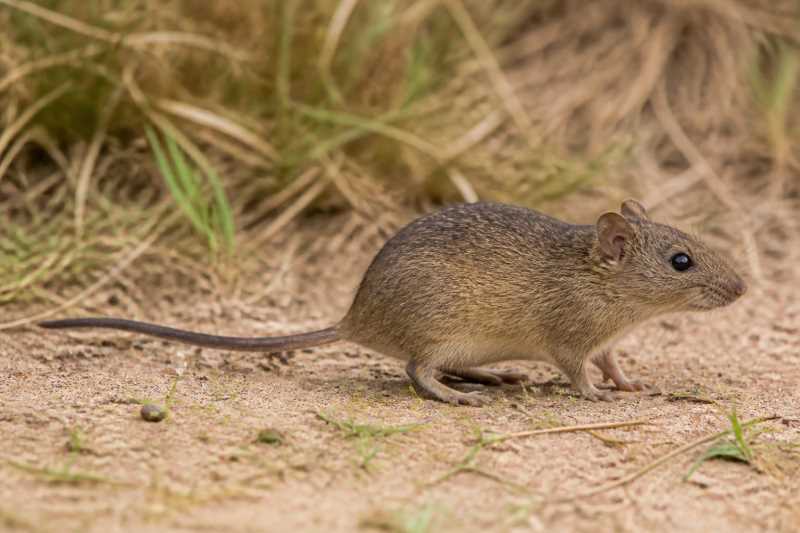
The Nairobi Grass Rat is a medium-sized rodent, typically measuring between 12 to 18 centimeters in body length, with a tail approximately equal to its body length. This species is characterized by its robust body, short ears, and a distinctively blunt muzzle. The fur of the Nairobi Grass Rat is generally coarse, displaying a mix of gray and brown hues that provide excellent camouflage against the grassy landscapes it inhabits.
One of the most distinguishing features of the Nairobi Grass Rat is its pelage pattern. The dorsal side is usually a darker shade of brown, while the ventral side is lighter, often a pale gray or white. This coloration is not merely aesthetic but serves as an effective camouflage, helping the rat blend into its surroundings to avoid predators.
The Nairobi Grass Rat has sharp claws and strong limbs adapted for digging and climbing. Its incisors are well-developed, ideal for gnawing through tough plant material, which constitutes a significant part of its diet.
Range and Habitat
The Nairobi Grass Rat is predominantly found in the grasslands of East Africa, with its range extending across parts of Kenya, Tanzania, and Uganda. As its name suggests, it is particularly associated with the area surrounding Nairobi, the capital city of Kenya.
This species thrives in open grassland habitats, where it has access to ample food resources and nesting sites. It is often found in areas with dense grass cover, which provides shelter and protection from predators. The Nairobi Grass Rat is also known to inhabit agricultural lands, adapting well to environments altered by human activity.
In terms of altitude, the Nairobi Grass Rat is versatile, inhabiting regions from lowland savannas to the elevated grasslands of the Kenyan highlands. This adaptability is a testament to the species’ resilience and ability to thrive in varying ecological conditions.
Behavior and Diet
The Nairobi Grass Rat is primarily a diurnal creature, active during the day while resting at night. This behavior pattern is somewhat unusual among rodents, many of which are nocturnal. Being diurnal allows the Nairobi Grass Rat to exploit food resources that are less accessible to nocturnal predators.
Socially, the Nairobi Grass Rat is known to live in small colonies, which can range from a few individuals to larger groups depending on the availability of resources. These colonies are typically centered around a series of burrows, which provide shelter and protection from predators.
The diet of the Nairobi Grass Rat primarily consists of grasses and seeds, although it is known to consume a variety of other plant materials when available. This species has a particular preference for the seeds of acacia and other leguminous plants, which are abundant in its habitat. During times of food scarcity, the Nairobi Grass Rat may also resort to eating insects and other small invertebrates.
Identification Tips (field recognition cues)
Identifying the Nairobi Grass Rat in the field requires attention to several key features:
- Size and Build: Look for a medium-sized rodent with a robust build and a tail roughly equal in length to its body.
- Fur Coloration: Note the coarse fur with a mix of gray and brown, a darker dorsal side, and a lighter ventral side.
- Ears and Muzzle: Identify the short ears and blunt muzzle, which are characteristic of this species.
- Behavior: Observe the rat during the day, as it is diurnal. Look for social groups and burrow networks in grassy areas.
- Habitat: Search in open grasslands or agricultural fields, particularly in the regions around Nairobi.
Conservation Status (with threats and protections)
Currently, the Nairobi Grass Rat is classified as a species of Least Concern by the International Union for Conservation of Nature (IUCN). This classification is due to its wide distribution and presumed large population size.
However, like many other species, the Nairobi Grass Rat faces several threats that could impact its population in the future. Habitat destruction due to agricultural expansion and urbanization poses a significant threat to its natural environment. Additionally, climate change and its associated effects, such as altered rainfall patterns and increased frequency of droughts, could further impact the availability of food and shelter.
To mitigate these threats, conservation efforts focus on habitat preservation and sustainable land-use practices. Protected areas and wildlife reserves in East Africa play a crucial role in conserving the natural habitats of the Nairobi Grass Rat.
Frequently Asked Questions
1. What is the lifespan of a Nairobi Grass Rat?
The typical lifespan of a Nairobi Grass Rat in the wild is about 2 to 3 years. However, this can vary depending on environmental conditions and predation pressures.
2. Are Nairobi Grass Rats dangerous to humans?
Nairobi Grass Rats are generally not dangerous to humans. They are shy and tend to avoid human contact. However, like any wild rodent, they can carry diseases that may pose a risk if proper hygiene is not observed.
3. What adaptations help the Nairobi Grass Rat survive in its habitat?
The Nairobi Grass Rat has several adaptations, including camouflage coloring, sharp claws for digging, and a diet that can vary based on resource availability, which helps it survive in various habitats.
4. How does the Nairobi Grass Rat contribute to its ecosystem?
The Nairobi Grass Rat plays a vital role in its ecosystem by dispersing seeds and serving as prey for various predators, thus maintaining the ecological balance.
5. Can Nairobi Grass Rats be kept as pets?
While it is possible to keep Nairobi Grass Rats as pets, it is generally not recommended due to their specific habitat needs and the potential ecological impact of removing them from the wild.
Related posts