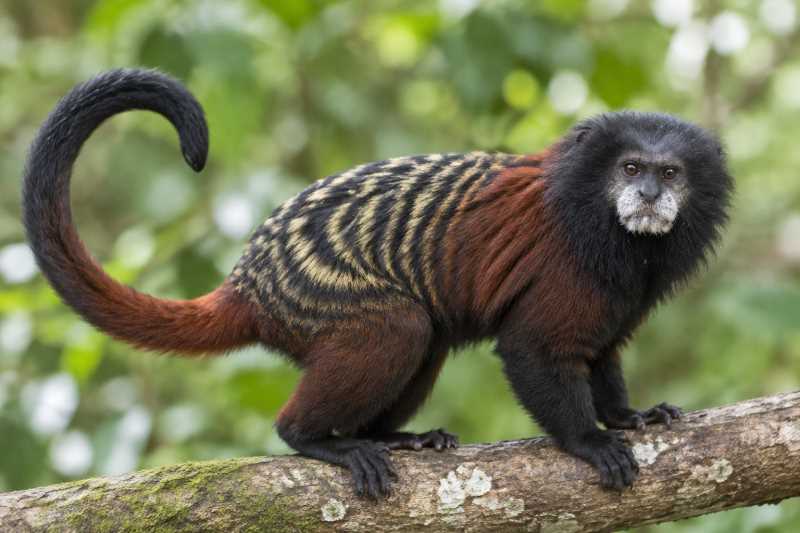
Red-mantled Saddle-back Tamarin (Saguinus lagonotus)
Introduction
The Red-mantled Saddle-back Tamarin, scientifically known as Saguinus lagonotus, is a captivating primate species belonging to the Callitrichidae family. Recognized for its striking appearance and dynamic social behaviors, this small New World monkey is native to South America, where it thrives in the dense, tropical rainforests. Despite its enchanting presence in the wild, the Red-mantled Saddle-back Tamarin faces various threats that challenge its survival. This article delves into the intricate aspects of this unique species, examining its physical characteristics, habitat, behavior, and the conservation efforts necessary to protect it.
Physical Description
The Red-mantled Saddle-back Tamarin is a small primate, typically measuring between 23 to 29 centimeters in body length, with a tail that extends an additional 34 to 42 centimeters. It weighs around 350 to 400 grams, making it one of the smaller members of the Callitrichidae family. One of the most distinctive features of this tamarin is its vibrant red mantle, which covers its back and shoulders, contrasting sharply with its otherwise black and white body. The saddle-like pattern on its back gives the species its common name.
Its face is predominantly black with a small, white mustache and eyebrow-like markings that add to its expressive features. The hands and feet are equipped with sharp claws, rather than nails, which aid in climbing and foraging. Their large eyes and keen sense of hearing further enhance their ability to navigate and survive in the dense forest environments.
Range and Habitat
The Red-mantled Saddle-back Tamarin is primarily found in the eastern regions of Ecuador and northern Peru. It thrives in lowland tropical rainforests, particularly in areas that are undisturbed and rich in biodiversity. These primates prefer habitats that offer dense canopy coverage, which provides protection from predators and access to a variety of food sources.
In Ecuador, they are prominently found in the Amazon Basin, favoring the western slopes of the Andes. The habitats are characterized by high humidity, abundant rainfall, and a lush diversity of plant and animal life. These conditions foster a rich ecosystem where the tamarins can find ample food and shelter.
Behavior and Diet
Red-mantled Saddle-back Tamarins are diurnal, highly social creatures, living in groups that typically consist of 4 to 15 individuals. These groups are characterized by complex social structures and cooperative behaviors, with a dominant female usually leading the group. Grooming, vocal communication, and coordinated foraging are integral parts of their daily lives.
Their diet is primarily frugivorous, consisting of fruits, nectar, and tree sap, but they are also known to consume small insects and vertebrates. The tamarins play a crucial role in their ecosystem by aiding in seed dispersal, which helps maintain the health and diversity of their forest habitats.
Identification Tips (field recognition cues)
Identifying the Red-mantled Saddle-back Tamarin in the wild involves recognizing several key features:
- Coloration: Look for the striking red mantle across the back and shoulders.
- Size: Note the small body size compared to other primates.
- Facial Markings: Observe the unique white mustache and eyebrow-like markings.
- Vocalizations: Listen for their distinct, high-pitched calls used for communication within the group.
- Behavior: Watch for their agile movements through the trees and their tendency to travel in groups.
Conservation Status (with threats and protections)
The Red-mantled Saddle-back Tamarin is currently classified as Near Threatened by the IUCN Red List. The primary threats to their survival include habitat destruction due to deforestation, agricultural expansion, and illegal logging. These activities not only reduce their natural habitat but also fragment populations, making it difficult for them to find food and mates.
Conservation efforts are underway to protect the remaining habitats of these tamarins. Protected areas and national parks in Ecuador and Peru serve as crucial refuges. Additionally, environmental organizations are working to promote sustainable land-use practices and raise awareness about the importance of conserving these primates and their habitats.
Frequently Asked Questions
What is the typical lifespan of a Red-mantled Saddle-back Tamarin?
Red-mantled Saddle-back Tamarins typically live for around 10 to 12 years in the wild. In captivity, with proper care, they can live up to 15 years.
How do Red-mantled Saddle-back Tamarins communicate?
These tamarins use a variety of vocalizations, body language, and scent marking to communicate with each other. Their calls can convey information about food sources, predators, and social status.
Are Red-mantled Saddle-back Tamarins good pets?
No, Red-mantled Saddle-back Tamarins are wild animals and are not suitable as pets. They have complex social and environmental needs that are difficult to meet in captivity, and keeping them as pets can contribute to their decline in the wild.
What role do Red-mantled Saddle-back Tamarins play in their ecosystem?
They play a vital role in seed dispersal, which helps maintain the health and diversity of their forest ecosystems. Their diet and foraging habits aid in spreading seeds across wide areas.
What conservation efforts are in place to protect these tamarins?
Conservation efforts include establishing protected areas, promoting sustainable land use, and raising awareness about the species. Collaborative efforts between governments and NGOs aim to protect their natural habitats and ensure their survival.
Related posts