Introduction
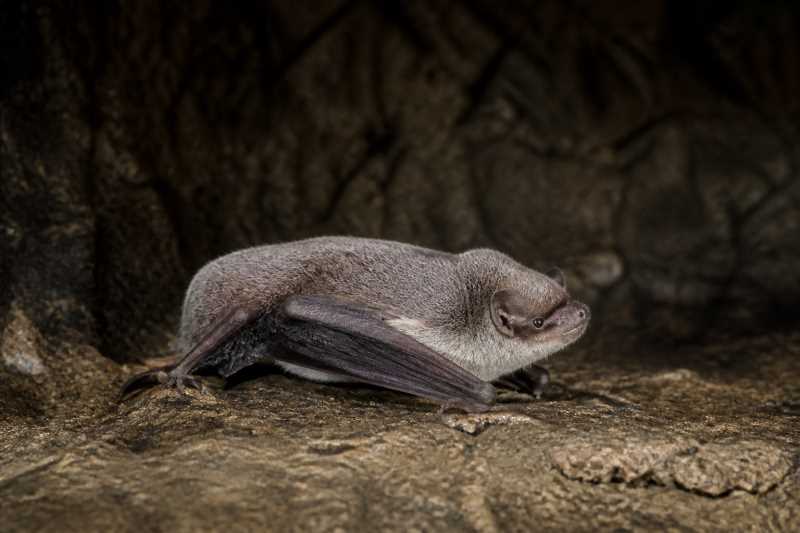
The Australian Long-fingered Bat, scientifically known as Miniopterus orianae, is a fascinating member of the vesper bat family, Miniopteridae. This species is part of the larger group of microbats that are primarily insectivorous and are known for their echolocation abilities. As the name suggests, this bat species features notably long fingers, which are an adaptation to their aerial insect-hunting lifestyle.
Commonly found across various regions in Australia, these bats play a significant role in their ecosystems by controlling insect populations. Despite their ecological importance, relatively little public attention is directed toward these nocturnal creatures, making them an intriguing subject for further study and conservation efforts.
Physical Description
The Australian Long-fingered Bat is a medium-sized bat with a forearm length ranging from 35 to 45 millimeters. The body is covered in soft, dense fur, typically colored dark brown or black, which provides excellent camouflage against the night sky. These bats have a wingspan of approximately 30 centimeters, allowing them to maneuver nimbly through the air while hunting.
One of the most distinctive features of the Miniopterus orianae is its elongated fingers, which contribute to the bat’s name. These fingers extend the wing membrane, increasing surface area and enhancing flight efficiency. The ears are moderately sized, rounded, and extend slightly beyond the top of the head, enabling acute hearing necessary for echolocation.
The snout is short and broad, with a relatively flat face compared to other bat species. This anatomical structure aids in producing the high-frequency echolocation calls that help these bats navigate and hunt in the dark.
Range and Habitat
The Australian Long-fingered Bat is primarily found across eastern Australia, spanning from Queensland to Victoria, and occasionally in parts of South Australia and Tasmania. They are highly adaptable and occupy a wide range of habitats, including subtropical rainforests, eucalypt woodlands, and even urban areas where natural roosting sites are available.
These bats typically roost in caves, tree hollows, and abandoned buildings, demonstrating a preference for locations that offer shelter and protection from predators. During the day, they rest in communal groups, which can range from a few individuals to several hundred, depending on the availability of suitable roosting sites.
Behavior and Diet
Primarily nocturnal, the Australian Long-fingered Bat emerges at dusk to begin its nightly foraging activities. The species is insectivorous, feeding on a variety of flying insects such as moths, beetles, and mosquitoes. Their long fingers and agile flight make them adept at capturing prey in flight, contributing to their role in controlling insect populations.
Echolocation is a critical aspect of their hunting strategy. By emitting high-frequency sound waves and listening for returning echoes, these bats can detect and pinpoint prey even in complete darkness. This sophisticated form of biological sonar allows them to hunt efficiently and avoid obstacles while flying at high speeds.
During the breeding season, which occurs in the warmer months, females typically give birth to a single pup. The young are nurtured in maternity colonies, where females gather to raise their offspring collectively, benefiting from shared warmth and protection.
Identification Tips
Identifying the Australian Long-fingered Bat in the field requires careful observation of key characteristics:
- Wing Structure: Look for the distinctive long fingers extending the wing membrane, giving the bat a unique wing shape and flight pattern.
- Fur Coloration: The dark brown to black fur with a velvety texture is a notable feature, providing effective camouflage during flight.
- Echolocation Calls: Using a bat detector, you can identify this species by its high-frequency echolocation calls, which are typically around 45 kHz.
- Roosting Behavior: Observing bats emerging from caves or tree hollows at dusk can help in identifying communal roosting habits, typical of this species.
- Flight Pattern: The agile, swift flight with rapid maneuvers is characteristic of the Australian Long-fingered Bat, designed for efficient aerial hunting.
Conservation Status
The conservation status of the Australian Long-fingered Bat is currently listed as Least Concern by the International Union for Conservation of Nature (IUCN). However, like many bat species, they face several threats that could impact their populations in the future.
Threats
- Habitat Destruction: Urbanization and deforestation pose significant threats to their natural habitats, reducing available roosting and foraging areas.
- Pesticides: The use of pesticides in agriculture can reduce insect populations, affecting the food supply for these insectivorous bats.
- Climate Change: Alterations in climate patterns may impact the availability of prey and suitable roosting sites.
Protections
Efforts to conserve the Australian Long-fingered Bat include habitat protection and restoration, particularly in regions where urban expansion threatens natural environments. Public education campaigns aimed at reducing human-wildlife conflict and promoting the ecological benefits of bats are also crucial. Additionally, research and monitoring programs help track population trends and inform conservation strategies.
Frequently Asked Questions
1. How can I attract Australian Long-fingered Bats to my garden?
To attract Australian Long-fingered Bats, consider creating a bat-friendly environment by planting native trees and shrubs that support insect populations. Installing bat boxes can provide roosting sites, and maintaining a pesticide-free garden ensures a healthy food source for these insectivorous bats.
2. What role do Australian Long-fingered Bats play in the ecosystem?
These bats are crucial for controlling insect populations, including agricultural pests and mosquitoes. Their predation helps maintain ecological balance and reduces the need for chemical pest control methods.
3. Are Australian Long-fingered Bats endangered?
Currently, the Australian Long-fingered Bat is not considered endangered, being classified as Least Concern. However, ongoing conservation efforts are essential to mitigate threats such as habitat destruction and climate change.
4. How do Australian Long-fingered Bats use echolocation?
Australian Long-fingered Bats emit high-frequency sound waves that bounce off objects and return as echoes. By interpreting these echoes, bats can navigate and hunt insects with precision, even in complete darkness.
5. Can Australian Long-fingered Bats carry diseases?
While bats, in general, can carry diseases, the risk of disease transmission to humans from Australian Long-fingered Bats is low. It is advisable to avoid handling bats and to seek professional assistance if a bat needs to be relocated.
Related posts