Introduction
The Long-footed Tree Mouse, scientifically known as Lorentzimys nouhuysii, is a remarkable yet lesser-known species of rodent within the family Muridae. This elusive animal, notable for its arboreal habits, is found predominantly in the dense forests of New Guinea. Despite its unobtrusive presence, the Long-footed Tree Mouse plays a significant role in its ecosystem, contributing to the intricate web of biodiversity that characterizes its habitat. Understanding the characteristics, behaviors, and conservation status of Lorentzimys nouhuysii is crucial for appreciating the ecological dynamics of New Guinea’s forest environments.
Physical Description
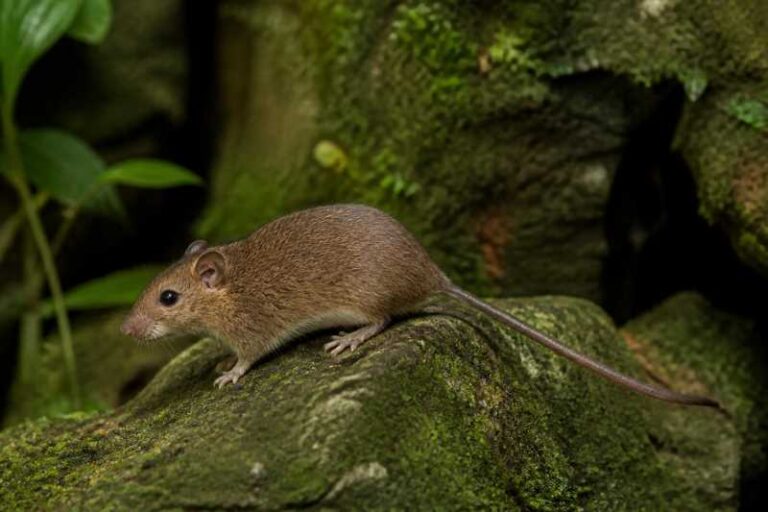
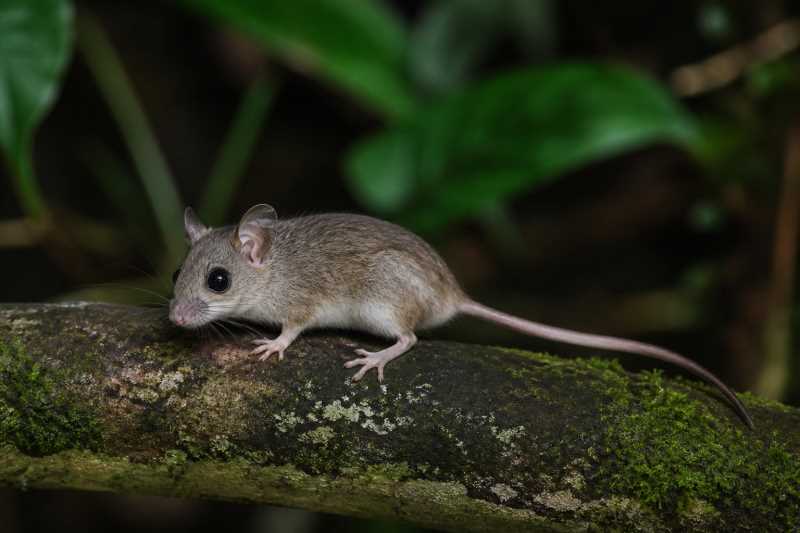
The Long-footed Tree Mouse is distinctively adapted to an arboreal lifestyle, a feature that is evident in its unique morphology. Adult individuals typically measure between 8 to 12 centimeters in body length, with an equally long tail that aids in balance and navigation among the treetops. As its name suggests, this species is characterized by its notably elongated hind feet, which provide exceptional grip and agility on tree branches.
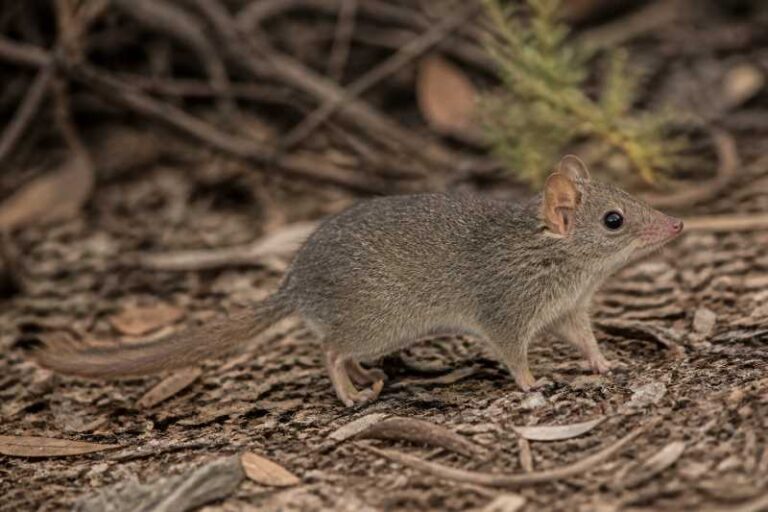
The fur of the Long-footed Tree Mouse is typically a soft, brownish-gray, providing effective camouflage against the bark and foliage of its forest habitat. The underside is often a lighter shade, ranging from pale gray to creamy white. Its large, round eyes are adapted for low-light conditions, a necessity for its primarily nocturnal lifestyle.
Range and Habitat
The Long-footed Tree Mouse is endemic to the island of New Guinea, where it inhabits the lush tropical and subtropical rainforests that blanket the region. Its range extends over both the eastern and western parts of the island, including Papua New Guinea and the Indonesian province of Papua.
These mice are arboreal, spending much of their lives in the canopy, where they find shelter and food. They are particularly associated with primary forests but can also be found in secondary forests where suitable arboreal conditions exist. The dense foliage provides ample opportunities for foraging and nesting, essential for their survival.
Behavior and Diet
The Long-footed Tree Mouse is primarily nocturnal, with peak activity occurring during the night when it ventures out in search of food. Its diet is omnivorous, consisting mainly of fruits, seeds, and small invertebrates, which it skillfully extracts from the forest canopy.
Socially, these mice are relatively solitary, although they may occasionally forage in loose family groups. Communication among individuals is facilitated through a combination of vocalizations and scent markings, which help to establish territory and convey reproductive readiness.
Identification Tips (Field Recognition Cues)
Identifying the Long-footed Tree Mouse in the wild can be challenging due to its elusive nature and arboreal habitat. However, several key features can aid in its recognition:
- Size and Shape: Look for a small rodent with a body length of 8 to 12 cm and an equally long tail.
- Foot Structure: Note the elongated hind feet, which are distinctive among rodents in its habitat.
- Fur Coloration: Observe the brownish-gray fur with a lighter underside, blending seamlessly with tree bark and leaves.
- Behavior Patterns: Active primarily at night, often seen climbing or foraging in the canopy.
Conservation Status (With Threats and Protections)
Currently, the conservation status of the Long-footed Tree Mouse is not well-documented, primarily due to its elusive nature and the remote regions it inhabits. However, like many species within New Guinea’s forests, it faces potential threats from habitat destruction and fragmentation.
Deforestation, driven by logging and agricultural expansion, poses a significant threat to the natural habitats of Lorentzimys nouhuysii. These activities not only reduce available habitat but also disrupt the ecological balance, making survival more challenging for arboreal species.
Efforts to protect this species are largely tied to broader conservation initiatives aimed at preserving New Guinea’s rainforests. Conservation organizations advocate for sustainable land use practices and the establishment of protected areas to safeguard the diverse wildlife of the region.
Frequently Asked Questions
Q1: Where can the Long-footed Tree Mouse be found?
The Long-footed Tree Mouse is endemic to New Guinea, inhabiting the tropical and subtropical rainforests of both Papua New Guinea and the Indonesian province of Papua.
Q2: What does the Long-footed Tree Mouse eat?
This species is omnivorous, feeding on a diet of fruits, seeds, and small invertebrates, which it finds in the forest canopy.
Q3: How does the Long-footed Tree Mouse communicate?
Communication is achieved through vocalizations and scent markings, which help establish territory and indicate reproductive status.
Q4: What are the main threats to the Long-footed Tree Mouse?
The primary threats include habitat destruction and fragmentation due to deforestation and agricultural activities.
Q5: How can the Long-footed Tree Mouse be identified?
Look for its small size, elongated hind feet, brownish-gray fur, and nocturnal, arboreal behavior.
Related posts