Southern Fulmar: The Graceful Glider of the Southern Ocean
The Southern Fulmar (Fulmarus glacialoides) is a captivating seabird that graces the skies and seas of the Southern Hemisphere. Renowned for its distinctive flight and adaptability, this bird is a marvel of avian evolution. Its scientific classification places it within the family Procellariidae, and it shares close ties with petrels and shearwaters. In this article, we delve into the life, habitat, and fascinating behavior of the Southern Fulmar, offering an in-depth exploration of this remarkable species.
Taxonomy and Description
The Southern Fulmar belongs to the order Procellariiformes, a group that includes albatrosses, petrels, and shearwaters. Its scientific name, Fulmarus glacialoides, hints at its icy habitat and gliding flight. This medium-sized bird typically measures around 45 to 50 centimeters in length, with a wingspan extending up to 120 centimeters.
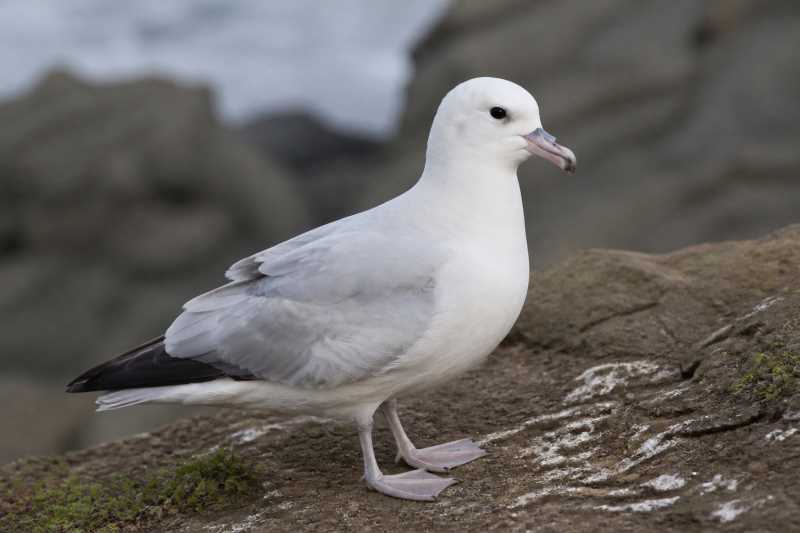
One of the most striking features of the Southern Fulmar is its plumage. The bird is predominantly pale grey and white, with a darker grey mantle and wingtips. Its underparts are mostly white, which aids in camouflage against the sea and sky, making it challenging for predators to spot. The beak is yellow and robust, designed for catching prey in the tumultuous Southern Ocean.
Distribution and Habitat
The Southern Fulmar is primarily found in the Southern Ocean, ranging from the Antarctic continent to the sub-Antarctic islands. During the breeding season, these birds establish colonies on rocky cliffs and islands in proximity to the Antarctic and sub-Antarctic regions, including South Georgia, the South Sandwich Islands, and the Kerguelen Islands.
Outside the breeding season, Southern Fulmars lead a pelagic lifestyle, wandering widely across the Southern Ocean. Their range can extend northwards to the southern coasts of South America, Africa, and Australia. This expansive range demonstrates their remarkable adaptability to the harsh environments of the Southern Hemisphere.
Behavior and Diet
Southern Fulmars are known for their dynamic and graceful flight. They glide effortlessly over the ocean, utilizing wind currents to conserve energy during long journeys. This ability to soar with minimal wing movement is a hallmark of the Procellariiformes order and is vital for their survival in energy-scarce environments.
Dietarily, Southern Fulmars are opportunistic feeders. Their primary food sources include krill, squid, and small fish. They exhibit surface-seizing behavior, often dipping their heads into the water to capture prey. During certain times of the year, they may also scavenge from fishing vessels and other marine mammal carcasses, showcasing their adaptability in food acquisition.
Breeding and Lifecycle
The breeding season for Southern Fulmars typically begins in October and extends into January. They are colonial nesters, gathering in large numbers on cliffs and rocky outcrops. Nests are rudimentary, often consisting of a simple scrape on the ground lined with stones, moss, and feathers.
A single egg is laid per breeding season, and both parents share the responsibility of incubation, which lasts approximately 45 to 50 days. The chicks are altricial, meaning they hatch in a relatively undeveloped state and require significant parental care. Both parents partake in feeding and protecting the chick until it fledges at around 50 days of age.
Conservation and Challenges
Currently, the Southern Fulmar is classified as "Least Concern" by the International Union for Conservation of Nature (IUCN). However, like many seabirds, they face various threats that could impact their populations. Climate change poses significant risks, altering sea temperatures and affecting the availability of prey. Additionally, bycatch in fisheries and pollution, such as oil spills and plastic waste, are persistent threats to their habitat and food sources.
Conservation efforts are critical in monitoring the population trends of Southern Fulmars and addressing the broader environmental challenges they face. Research initiatives are underway to better understand their ecology and implement measures to mitigate human impacts.
Conclusion
The Southern Fulmar is a testament to nature’s adaptability and resilience. With its striking appearance, impressive flight, and extensive range, this bird is an integral part of the Southern Ocean’s ecosystem. Understanding and conserving the Southern Fulmar is crucial for maintaining the biodiversity and health of the marine environments they inhabit. Continued research and conservation efforts will ensure that these remarkable birds continue to thrive amidst the ever-changing dynamics of the natural world.
Related posts