Introduction
Mount Tompotika Spiny Rat, scientifically known as Crunomys tompotika, is a fascinating rodent species that has piqued the interest of biologists and nature enthusiasts alike. Found exclusively in the diverse and complex ecosystems of Indonesia, this small mammal is a testament to the rich biodiversity of Southeast Asia. This article will delve into the various aspects of this unique species, including its physical features, habitat, behavior, and the conservation challenges it faces.
Physical Description
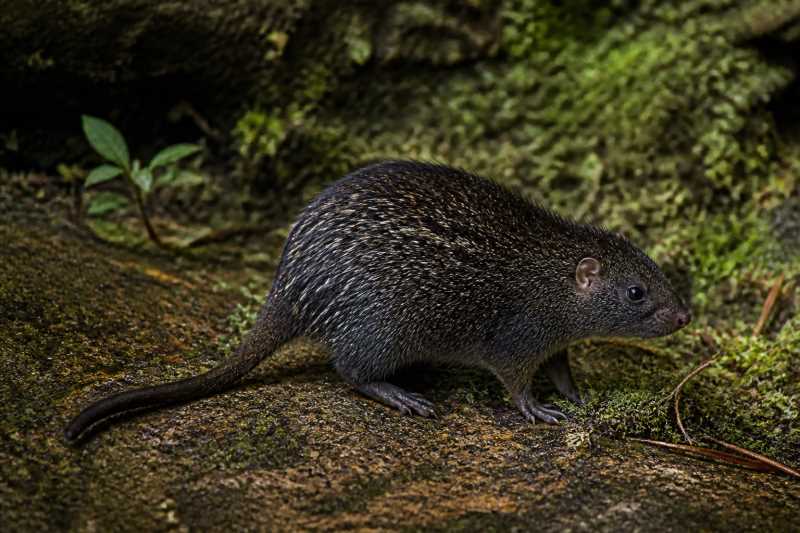
The Mount Tompotika Spiny Rat is a small but distinctive mammal characterized by its spiny fur, which serves as a protective mechanism against predators. This species is relatively diminutive, with a body length ranging from 12 to 15 centimeters and a tail almost equal in length. It weighs approximately 60 to 80 grams. Its fur is primarily a mottled brown, providing excellent camouflage against the forest floor. The spines, which are modified hairs, are interspersed throughout its back and provide an additional layer of defense.
The rat’s head is pointed, with large, sensitive whiskers that aid in navigation and foraging in the dense underbrush of its habitat. Its eyes are relatively small, adapted for its crepuscular lifestyle, and its ears are rounded and well-suited for picking up the subtle sounds of its environment.
Range and Habitat
Crunomys tompotika is endemic to Mount Tompotika on the island of Sulawesi in Indonesia. This mountain, part of the Central Sulawesi province, is a biodiversity hotspot, home to many endemic species. The rat’s habitat is primarily tropical montane forests, characterized by high humidity, dense vegetation, and a complex understory.
These forests provide the perfect conditions for the Mount Tompotika Spiny Rat to thrive, offering ample food sources and shelter. The species is typically found at elevations ranging from 1,000 to 2,000 meters above sea level, where the climate is cooler and less humid than the lowland regions.
Behavior and Diet
The Mount Tompotika Spiny Rat is a nocturnal creature, active primarily during the night. This behavior is likely an adaptation to avoid diurnal predators and take advantage of the cooler nighttime temperatures. Its diet is omnivorous, consisting of a variety of fruits, seeds, insects, and small invertebrates. This varied diet is essential for meeting its nutritional needs, especially given the limited resources available in its montane forest habitat.
Socially, the rat is believed to be solitary, with individuals maintaining distinct territories that they mark with scent glands. Little is known about its reproductive habits, but like many rodents, it is assumed to have a relatively high reproductive rate, which is crucial for maintaining its population numbers in the face of environmental pressures.
Identification Tips
Identifying the Mount Tompotika Spiny Rat in the field can be challenging due to its elusive nature and the dense forest habitat it occupies. However, there are several key characteristics to look for:
- Size and Shape: Look for a small, spiny rodent with a body length of 12-15 cm and a similar tail length.
- Fur and Spines: Note the mottled brown fur interspersed with spiny hairs on the back.
- Behavior: Keep an eye out during the early evening or at night when the rat is most active.
- Habitat: Focus on areas within the montane forests of Mount Tompotika, especially at elevations above 1,000 meters.
Conservation Status
The Mount Tompotika Spiny Rat faces several conservation challenges, primarily due to habitat loss and degradation. As human activities, such as logging and agricultural expansion, encroach upon its montane forest habitat, the rat’s survival is increasingly threatened. Additionally, climate change poses a long-term threat by altering the delicate balance of the ecosystems on which this species depends.
Currently, the conservation status of Crunomys tompotika is not well-documented due to a lack of comprehensive studies. However, like many endemic species with restricted ranges, it is likely vulnerable to extinction. Conservation efforts are crucial and may include habitat protection, restoration projects, and further research to better understand the species’ ecology and needs.
Frequently Asked Questions
What is the primary diet of the Mount Tompotika Spiny Rat?
The Mount Tompotika Spiny Rat is omnivorous, feeding on a diet of fruits, seeds, insects, and small invertebrates. This varied diet helps it adapt to the changing availability of resources in its montane forest habitat.
Where can the Mount Tompotika Spiny Rat be found?
This species is endemic to Mount Tompotika on the island of Sulawesi, Indonesia. It inhabits tropical montane forests at elevations of 1,000 to 2,000 meters.
What are the main threats to the Mount Tompotika Spiny Rat?
The primary threats include habitat loss and degradation due to logging, agricultural expansion, and climate change. These activities reduce the available habitat for the species and disrupt their natural ecosystem.
How can you identify a Mount Tompotika Spiny Rat in the wild?
Look for a small, spiny rodent with mottled brown fur and a body length of 12-15 cm. They are nocturnal and found in montane forests above 1,000 meters on Mount Tompotika.
Are there any conservation measures in place for the Mount Tompotika Spiny Rat?
While specific conservation measures for this species are limited, efforts to protect its habitat and conduct more research are essential steps in ensuring its survival.
Related posts