Introduction
The Peruvian Short-tailed Opossum (Monodelphis peruviana) is a fascinating mammal species native to South America. Known for its small size and distinctive features, this species is part of the family Didelphidae, which comprises a wide array of opossums. Despite its diminutive stature, the Peruvian Short-tailed Opossum plays a crucial role in its ecosystem, acting as both prey and predator. This article delves into the various aspects of this intriguing species, including its physical characteristics, habitat, behavior, and conservation status.
Physical Description
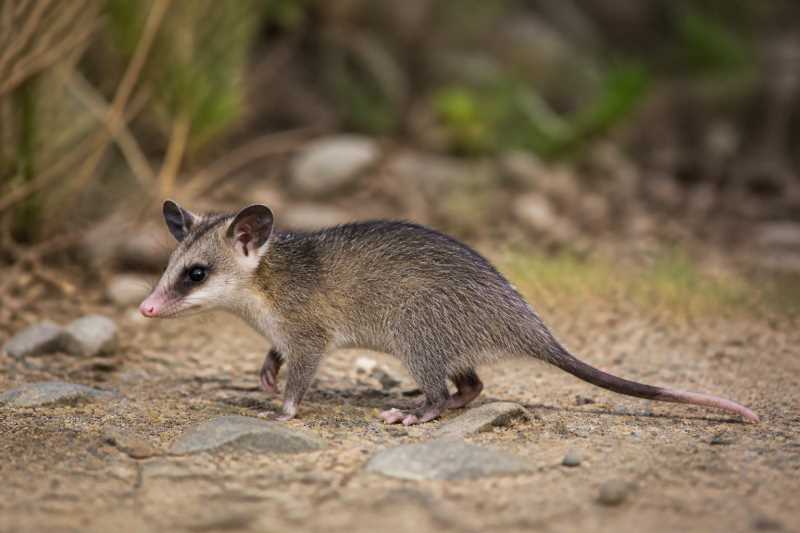
The Peruvian Short-tailed Opossum is characterized by its compact body and short tail, which sets it apart from other opossum species. Typically, these opossums measure around 10 to 15 centimeters in body length, with the tail adding an additional 4 to 6 centimeters. Their fur is usually a blend of gray and brown, providing effective camouflage in their natural habitats. The underbelly is often a lighter shade, ranging from white to pale gray, which contrasts with the darker dorsal side.
One of the most striking features of the Peruvian Short-tailed Opossum is its pointed snout and large, rounded ears, which enhance its sensory capabilities. Its eyes are relatively large, aiding in nocturnal activities. The limbs are short but strong, with sharp claws that are well-adapted for climbing and digging.
Range and Habitat
The Peruvian Short-tailed Opossum is predominantly found in the dense tropical forests of Peru and extends to parts of neighboring countries like Brazil and Bolivia. These opossums thrive in humid environments, where they can find ample food and shelter. They are primarily terrestrial but are also known to exhibit arboreal behaviors.
Their habitat typically includes areas with dense undergrowth, fallen logs, and abundant leaf litter, which provide both protection from predators and a rich source of insects and other small prey. These opossums are highly adaptable and can survive in secondary forests and disturbed habitats, though they prefer untouched primary forests.
Behavior and Diet
The Peruvian Short-tailed Opossum is primarily nocturnal, spending the daylight hours in burrows or nests made from leaves and other plant materials. At night, they become active hunters, foraging for food across the forest floor.
Their diet is omnivorous, consisting of insects, small vertebrates, fruits, and seeds. They are opportunistic feeders, adjusting their diet based on availability. This flexibility in feeding habits is one reason for their survival in various environmental conditions.
Socially, these opossums are mostly solitary, coming together only during the breeding season. After a gestation period of about 14 days, females give birth to a litter of up to 12 young, which they carry in a pouch or on their back until they are old enough to fend for themselves.
Identification Tips
Identifying the Peruvian Short-tailed Opossum in the wild can be challenging due to its nocturnal nature and elusive behavior. However, there are several field recognition cues that can aid in identification:
- Size and Shape: Look for a small, compact body with a relatively short tail.
- Coloration: Note the gray-brown fur with a lighter underbelly.
- Snout and Ears: A pointed snout and large, rounded ears are distinctive features.
- Behavior: Observe for nocturnal activity and ground foraging behavior.
- Habitat: Focus on areas with dense undergrowth in tropical forests.
Conservation Status
The conservation status of the Peruvian Short-tailed Opossum is currently listed as Least Concern by the IUCN Red List. However, like many species in tropical regions, they face threats from habitat destruction and fragmentation due to logging, agriculture, and urban expansion.
Efforts to protect the Peruvian Short-tailed Opossum include the establishment of protected areas and national parks in parts of their range. Conservationists emphasize the importance of preserving primary forests to ensure the survival of this and many other species.
Frequently Asked Questions
1. What is the lifespan of the Peruvian Short-tailed Opossum?
In captivity, the Peruvian Short-tailed Opossum can live up to 4 years, although their lifespan in the wild is generally shorter due to predation and environmental factors.
2. How does the Peruvian Short-tailed Opossum contribute to its ecosystem?
These opossums play a vital role as both predator and prey. They help control insect populations and serve as a food source for larger predators, maintaining ecological balance.
3. Can the Peruvian Short-tailed Opossum adapt to urban environments?
While primarily forest dwellers, some opossums can adapt to urban areas if there is sufficient vegetation and food sources, though this is not ideal for their long-term survival.
4. Are Peruvian Short-tailed Opossums social animals?
No, they are mostly solitary except during the breeding season. They are territorial and prefer to forage alone.
5. What are the main threats to the Peruvian Short-tailed Opossum?
The main threats include habitat destruction due to deforestation and human encroachment. Conservation efforts focus on habitat preservation and legal protection.
Related posts