Introduction
The Pygmy Harvest Mouse, scientifically known as Micromys pygmaeus, is one of the smallest rodent species in the world. This diminutive creature has captured the interest of biologists and conservationists alike due to its unique adaptations and ecological significance. Found primarily in Europe and parts of Asia, the Pygmy Harvest Mouse is a subject of numerous studies focusing on its behavior, habitat preferences, and conservation needs. Due to its small size and elusive nature, it remains a challenge to study, yet it offers insights into the functioning of grassland ecosystems.
The Pygmy Harvest Mouse’s role in the ecosystem is pivotal as both a prey species and a seed disperser. Despite its importance, it faces several threats that can impact its survival. This comprehensive article delves into the various aspects of the Pygmy Harvest Mouse’s life, highlighting its physical characteristics, habitat requirements, and conservation status.
Physical Description
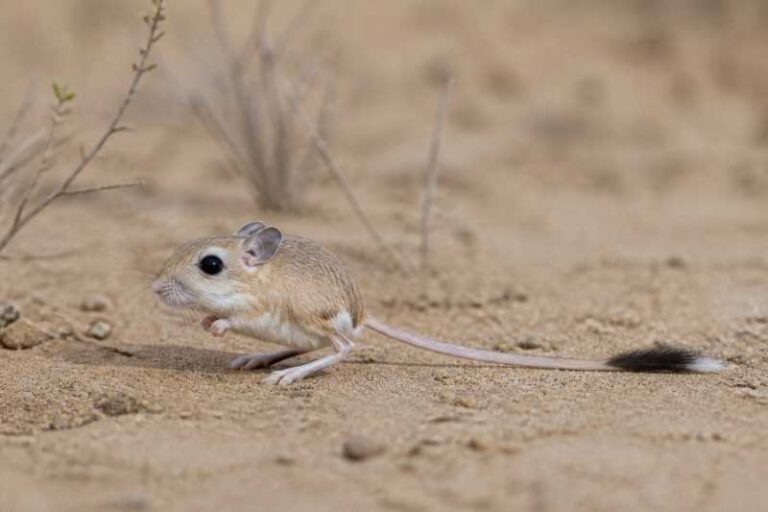
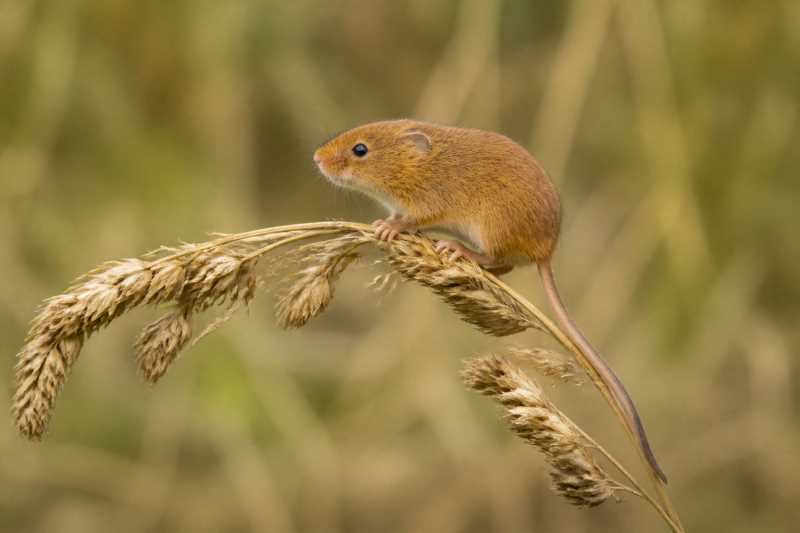
The Pygmy Harvest Mouse is renowned for its small stature. Adult mice typically weigh between 4 to 8 grams and measure around 55 to 75 mm in body length, with the tail adding another 50 to 75 mm. Its fur is a reddish-brown on the back, contrasting with a pale off-white underside, providing effective camouflage in their natural habitat.
One of the most distinctive features of the Pygmy Harvest Mouse is its prehensile tail, which is almost as long as its body. This tail is used adeptly for climbing and balancing on slender plant stalks. The mouse’s large, rounded ears and small black eyes are well adapted for detecting predators and navigating their environment.
Pygmy Harvest Mice have sharp, curved claws and a lightweight, agile build, enabling them to climb and navigate through dense vegetation with ease. These physical adaptations are critical for their survival in the wild, where evasion from predators is a constant necessity.
Range and Habitat
The Pygmy Harvest Mouse is predominantly found across Europe, extending from the British Isles to Russia and parts of Asia, including China and Korea. They thrive in a variety of habitats, primarily favoring areas with dense vegetation such as grasslands, agricultural fields, reed beds, and hedgerows.
Their preference for tall grasses and crops like wheat and barley provides both food and shelter. The structure of these environments offers protection from aerial predators and facilitates the construction of their spherical nests, usually located a few meters above the ground.
The habitat of the Pygmy Harvest Mouse is influenced by seasonal changes, with some populations migrating to drier areas during the wetter months. Their presence in agricultural fields can lead to conflict with farming activities, although they often go unnoticed due to their small size and secretive nature.
Behavior and Diet
Pygmy Harvest Mice are primarily nocturnal, with peak activity occurring during the early hours of the night. They are solitary creatures, except during the breeding season when males and females come together to mate. Breeding occurs from May to October, with females capable of producing several litters each year, each containing up to eight young.
Their diet is omnivorous, consisting mainly of seeds, grains, and insects. They are particularly fond of grass seeds and cereal grains, which they often store in their nests. The consumption of insects provides essential protein, aiding in their growth and reproduction.
The Pygmy Harvest Mouse’s climbing ability is superb, allowing them to forage at various heights within their habitat. They are known to be adept foragers, using their keen sense of smell and touch to locate food.
Identification Tips (field recognition cues)
Spotting a Pygmy Harvest Mouse in the wild requires patience and a keen eye. Here are some tips to help identify these elusive creatures:
- Size and Shape: Look for a tiny, agile rodent with a rounded body and a long, prehensile tail.
- Fur Color: Their reddish-brown back and pale underside can help distinguish them from other small mammals.
- Habitat Clues: Search in areas with dense grass or reed beds, particularly where there’s evidence of small, spherical nests.
- Behavior: Observe their climbing behavior, especially when they are foraging among tall grasses.
- Vocalizations: Listen for their high-pitched calls, typically used during mating or when communicating with young.
Conservation Status
The Pygmy Harvest Mouse is currently listed as a species of Least Concern by the International Union for Conservation of Nature (IUCN). However, this status does not imply that they are free from threats. Habitat loss due to agricultural expansion, pesticide use, and climate change poses significant risks to their populations.
Measures to protect the Pygmy Harvest Mouse include preserving natural grasslands and implementing agricultural practices that are wildlife-friendly. Conservation programs also focus on habitat restoration and creating awareness about the species’ ecological role.
Legal protections vary by country, but in many regions, the Pygmy Harvest Mouse is protected by law, with efforts in place to monitor and manage their populations effectively.
Frequently Asked Questions
1. Where can I find Pygmy Harvest Mice in the wild?
Pygmy Harvest Mice are found in dense grasslands, reed beds, and agricultural fields across Europe and parts of Asia. They are adept at hiding and can often be located in areas with tall grasses or cereal crops.
2. How do Pygmy Harvest Mice contribute to the ecosystem?
These mice play a critical role in seed dispersal and serve as prey for a variety of predators, including birds of prey and small mammals. Their presence indicates a healthy, functioning ecosystem.
3. What are the primary threats facing Pygmy Harvest Mice?
The main threats include habitat destruction due to agriculture, pesticide use, and the impacts of climate change. Conservation efforts focus on habitat preservation and sustainable agricultural practices.
4. How can I help protect Pygmy Harvest Mice?
Supporting conservation organizations, advocating for sustainable agricultural practices, and participating in habitat restoration projects can all contribute to the protection of Pygmy Harvest Mice.
5. Are Pygmy Harvest Mice suitable as pets?
Pygmy Harvest Mice are wild animals and are not suited for domestication. They require specific environmental conditions that are difficult to replicate in a home setting.
Related posts