Strelzov’s Mountain Vole (Alticola strelzovi)
Introduction
Strelzov’s Mountain Vole, scientifically known as Alticola strelzovi, is a small mammal species belonging to the family Cricetidae. This elusive creature is primarily found in the mountainous regions of Central Asia. Known for its adaptability and resilience, Strelzov’s Mountain Vole plays a crucial role in the ecosystem, especially in the alpine and subalpine zones where it resides. This article provides a comprehensive overview of this species, covering its physical description, range and habitat, behavior and diet, and conservation status.
Physical Description
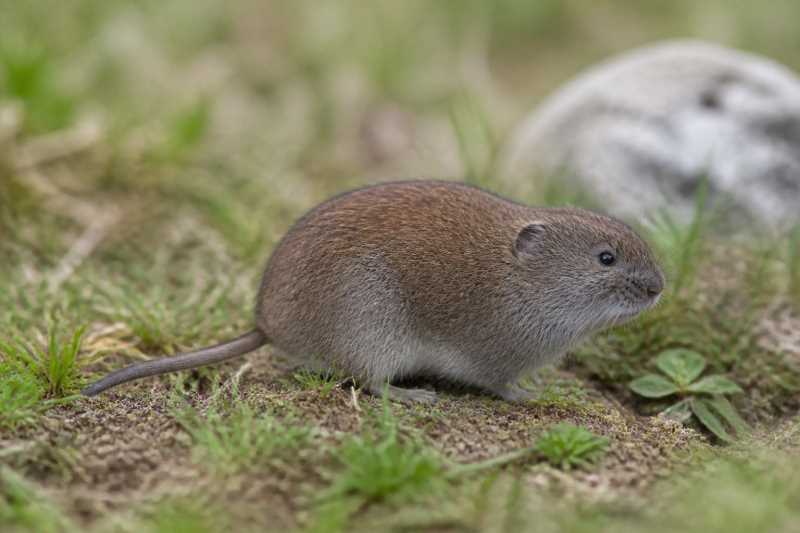
Strelzov’s Mountain Vole is a small rodent, typically measuring between 10 to 15 centimeters in body length, with a tail that ranges from 7 to 10 centimeters. Its fur is dense and soft, providing excellent insulation against the cold climates of its native habitat. The coloration of the fur varies from grayish-brown to a darker brown, which helps the vole blend into its rocky environment, providing camouflage against predators.
The vole’s ears are small and rounded, and its eyes are relatively large compared to its body size, which is an adaptation for its nocturnal lifestyle. The paws are equipped with sharp claws that aid in digging and foraging. The dental formula of Strelzov’s Mountain Vole is adapted for a herbivorous diet, with strong incisors that continuously grow throughout its life.
Range and Habitat
Strelzov’s Mountain Vole is predominantly found in Central Asia, inhabiting regions that include parts of Mongolia, Kazakhstan, and Russia. It thrives in alpine and subalpine zones, typically at elevations ranging from 2,000 to 4,000 meters above sea level. These areas are characterized by rocky terrain, sparse vegetation, and harsh climatic conditions.
The vole prefers habitats with ample cover, such as rocky crevices and dense grasslands, which provide protection from predators and harsh weather. The presence of a reliable food source is also a critical factor in determining its habitat, as the vole relies heavily on the availability of grasses and other vegetation.
Behavior and Diet
Strelzov’s Mountain Vole is primarily nocturnal, with most of its activity occurring at night. This behavior is likely an adaptation to avoid daytime predators and to conserve energy during the cooler nighttime temperatures. The vole is a solitary creature, with individuals establishing and defending small territories.
The diet of Strelzov’s Mountain Vole is herbivorous, consisting mainly of grasses, seeds, roots, and occasionally small insects. During the warmer months, the vole actively forages for food, storing excess in its burrows to sustain itself during the winter months when food is scarce.
Identification Tips
Identifying Strelzov’s Mountain Vole in the field can be challenging due to its elusive nature. However, there are several key characteristics to look for:
- Size and Shape: Look for a small rodent with a body length of 10 to 15 centimeters and a distinctive long tail.
- Fur Color: Note the grayish-brown to dark brown fur, which helps the vole blend into its rocky surroundings.
- Behavior: Observe the vole’s nocturnal activity and solitary behavior.
- Habitat: Check for presence in alpine and subalpine zones with rocky terrain and sparse vegetation.
Conservation Status
Strelzov’s Mountain Vole is currently not listed as endangered or threatened by major conservation organizations. However, its habitat is increasingly threatened by human activities such as mining, agriculture, and climate change. These activities can lead to habitat degradation and fragmentation, posing a significant threat to the species.
Conservation efforts are focused on habitat preservation and monitoring population trends. Protected areas in the vole’s range help safeguard its habitat, but ongoing research is crucial to understanding the full impact of environmental changes on its population dynamics.
Frequently Asked Questions
1. What is the primary diet of Strelzov’s Mountain Vole? Strelzov’s Mountain Vole primarily feeds on grasses, seeds, and roots. It occasionally consumes small insects, especially when plant-based food sources are limited.
2. How does Strelzov’s Mountain Vole adapt to cold climates? The vole adapts to cold climates through its dense fur, which provides insulation, and its nocturnal behavior, which minimizes energy expenditure during the cooler nights.
3. Where can Strelzov’s Mountain Vole be found? It can be found in the mountainous regions of Central Asia, including parts of Mongolia, Kazakhstan, and Russia, typically at elevations of 2,000 to 4,000 meters.
4. Is Strelzov’s Mountain Vole endangered? Currently, Strelzov’s Mountain Vole is not classified as endangered. However, its habitat is under threat from human activities and climate change.
5. How can Strelzov’s Mountain Vole be identified in the wild? Look for a small rodent with a grayish-brown to dark brown fur, long tail, and presence in alpine and subalpine habitats. It is mostly active at night.
Related posts