Introduction
The Pygmy Short-tailed Opossum, scientifically known as Monodelphis kunsi, is a fascinating marsupial species that has captured the interest of mammalogists and wildlife enthusiasts alike. Despite its diminutive size, this small mammal plays a crucial role in its ecosystem. Native to parts of South America, Monodelphis kunsi is part of the Didelphidae family, which encompasses a wide range of opossum species. This article aims to provide an in-depth look into the life of the Pygmy Short-tailed Opossum, covering everything from its physical characteristics and habitat preferences to its behavior and conservation status.
Physical Description
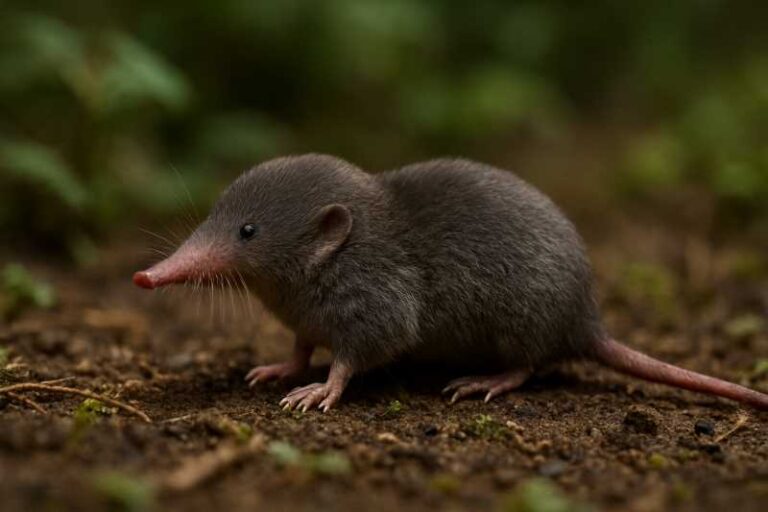
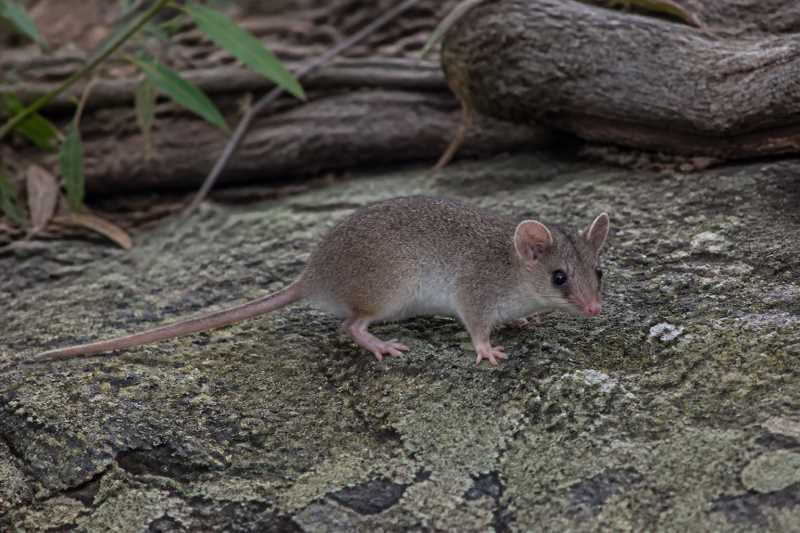
Monodelphis kunsi is a small and agile marsupial, characterized by its compact body and short tail. An adult Pygmy Short-tailed Opossum typically measures around 5 to 7.5 cm in body length, with a tail length of approximately 2.5 to 3.5 cm. The species exhibits sexual dimorphism, with males generally being slightly larger than females. The fur of Monodelphis kunsi is dense and soft, usually displaying a mix of gray and brown hues that help it blend into its natural surroundings. Its underbelly is lighter, often a pale gray or cream color. The opossum’s ears are small and rounded, while its eyes are proportionally large, aiding in nocturnal activity.
Range and Habitat
The Pygmy Short-tailed Opossum is primarily found in the eastern and central regions of South America. Its range extends across countries such as Bolivia, Brazil, Paraguay, and Argentina. Monodelphis kunsi thrives in a variety of habitats, including tropical rainforests, dry forests, and savannas. The species is particularly adaptable, often occupying areas with dense ground cover that provide ample foraging opportunities and protection from predators. Due to its elusive nature, much of the opossum’s specific range and habitat preferences are still being studied by researchers.
Behavior and Diet
Monodelphis kunsi is predominantly nocturnal, spending its nights foraging for food and its days resting in well-hidden nests. As an omnivore, its diet is varied and opportunistic. The Pygmy Short-tailed Opossum feeds on a range of insects, small invertebrates, fruits, and seeds. It uses its keen senses of smell and hearing to locate prey in the dark. Social structure within the species is largely solitary, with individuals coming together mainly for mating purposes. Mating typically occurs during the warmer months, and females give birth to litters of 4-8 young, which they carry in their pouch until weaning.
Identification Tips
Field recognition of Monodelphis kunsi can be challenging due to its small size and elusive nature. However, there are several distinguishing features that can aid in identification. Look for a small, mouse-sized marsupial with a notably short tail compared to other opossum species. Its fur is typically a mix of brown and gray, with a lighter underbelly. The large, round eyes and small ears are also key identifiers. Observers are more likely to spot these creatures at night, given their nocturnal habits.
Conservation Status
The Pygmy Short-tailed Opossum is currently classified as ‘Least Concern’ by the International Union for Conservation of Nature (IUCN). However, like many forest-dwelling species, it faces threats from habitat destruction and fragmentation due to deforestation and agricultural expansion. Conservation efforts are focused on habitat preservation and ensuring that significant portions of its range are protected from development. While not currently endangered, continued monitoring is necessary to ensure populations remain stable.
Frequently Asked Questions
What is the natural habitat of the Pygmy Short-tailed Opossum?
The Pygmy Short-tailed Opossum thrives in diverse environments, including tropical rainforests, dry forests, and savannas across South America. Its adaptability allows it to occupy areas with dense ground cover.
How can you identify a Pygmy Short-tailed Opossum?
Identifying a Pygmy Short-tailed Opossum involves looking for a small marsupial with a short tail, brown and gray fur, large eyes, and small ears. These features, coupled with its nocturnal behavior, help distinguish it from other species.
Are Pygmy Short-tailed Opossums endangered?
Currently, the Pygmy Short-tailed Opossum is not considered endangered and is classified as ‘Least Concern’ by the IUCN. However, habitat destruction poses a potential threat to its populations.
What do Pygmy Short-tailed Opossums eat?
As omnivores, Pygmy Short-tailed Opossums have a varied diet that includes insects, small invertebrates, fruits, and seeds. They are opportunistic feeders, adapting their diet based on availability.
How do Pygmy Short-tailed Opossums reproduce?
Pygmy Short-tailed Opossums are solitary creatures that come together mainly for mating. Females typically give birth to litters of 4-8 young, which they carry in their pouch until they are weaned.
Related posts