Introduction
The Pemba Flying Fox, scientifically known as Pteropus voeltzkowi, is an extraordinary and unique bat species native to the Pemba Island, part of the Zanzibar Archipelago in Tanzania. Known for its impressive wingspan and vital role in the ecosystem, the Pemba Flying Fox is a fascinating subject of study for biologists and conservationists alike. This article delves into the physical characteristics, habitat, behavior, and conservation status of this remarkable mammal, providing a comprehensive understanding of its importance and the efforts needed to ensure its survival.
Physical Description
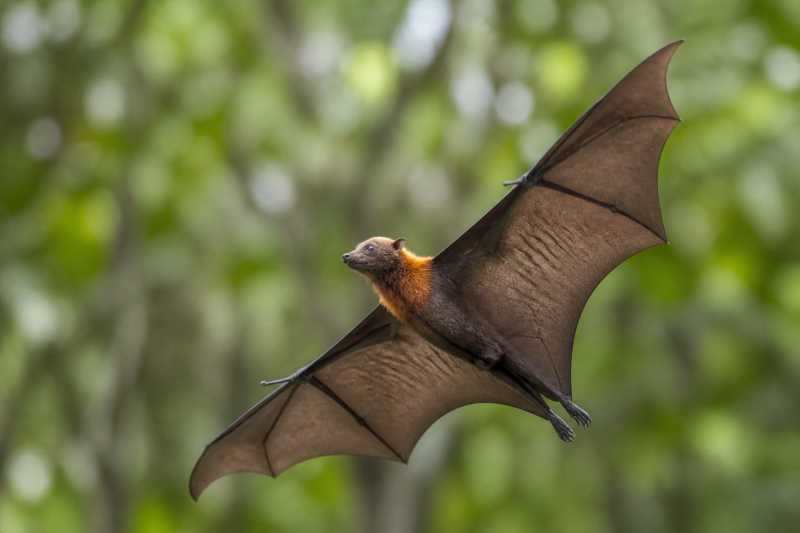
The Pemba Flying Fox is one of the larger members of the Pteropodidae family, commonly referred to as fruit bats or flying foxes. Characterized by its striking appearance, the Pemba Flying Fox has a wingspan that can extend up to 1.6 meters (over 5 feet), making it a captivating sight in the skies over Pemba Island.
The body of the Pemba Flying Fox is covered in a dense fur that varies in color from russet-brown to dark chocolate, with lighter shades of golden-brown on its head and neck, giving it a distinctive and regal appearance. Its face resembles that of a small canine, with large, expressive eyes that aid in navigating and locating food at night. The wings are leathery and supported by elongated finger bones, typical of all bat species.
Males and females are similar in size, but males can often be distinguished by their slightly larger size and more pronounced mane of fur around the neck, which is thought to be used in courtship displays.
Range and Habitat
The Pemba Flying Fox is endemic to Pemba Island, which means it is not naturally found anywhere else in the world. This restricted range makes the species particularly vulnerable to environmental changes and human activities. Pemba Island offers a variety of habitats that are suitable for the Pemba Flying Fox, including tropical forests, mangroves, and agricultural landscapes.
These bats are highly adaptable and can often be found roosting in large colonies in the canopies of large trees. They are known to prefer areas that are close to water sources, which provide both a habitat and a rich supply of food resources.
Behavior and Diet
The Pemba Flying Fox is primarily nocturnal, emerging at dusk to embark on feeding forays. These bats are frugivorous, meaning their diet consists largely of fruit, supplemented by nectar and flowers. This dietary preference plays a crucial role in the ecosystem, as they are important pollinators and seed dispersers for many tropical plant species.
Pemba Flying Foxes are social animals, often forming large colonies that can number in the hundreds. These colonies provide protection and social interaction, as well as opportunities for mating. Communication within the colony includes a range of vocalizations that help maintain social bonds and coordinate movements.
During the day, the bats hang upside down in roosts, conserving energy and avoiding predators. At night, their keen sense of smell and vision help them locate fruit trees and navigate through the forest.
Identification Tips (field recognition cues)
If you’re visiting Pemba Island and hope to catch a glimpse of the Pemba Flying Fox, there are several key identification tips to keep in mind:
- Look for Large Wingspans: The Pemba Flying Fox has one of the largest wingspans among bats, which should be a clear indicator when seen in flight.
- Notice the Fur Coloration: Their unique russet-brown to dark chocolate fur, with a lighter mane, distinguishes them from other local bat species.
- Observe Roosting Behavior: During the day, look for large groups of bats hanging in trees, often creating a noticeable stir as they jostle for position.
- Spot Them at Dusk: The best time to see them is at dusk when they take to the skies in search of food.
Conservation Status (with threats and protections)
The Pemba Flying Fox is currently classified as Vulnerable by the International Union for Conservation of Nature (IUCN). The primary threats to their survival include habitat destruction due to deforestation, human encroachment, and hunting for bushmeat.
Conservation efforts are focused on habitat preservation and community education programs that highlight the ecological importance of the Pemba Flying Fox. Protected areas have been established on Pemba Island to safeguard critical habitats, and local communities are engaged in conservation initiatives to reduce hunting pressure.
Frequently Asked Questions
- What role does the Pemba Flying Fox play in the ecosystem?
The Pemba Flying Fox is a key pollinator and seed disperser in its ecosystem. By feeding on fruit and nectar, it helps in the pollination of flowers and the dispersal of seeds, which is essential for forest regeneration and maintaining biodiversity.
- Why is the Pemba Flying Fox endangered?
The primary reasons for the Pemba Flying Fox’s endangered status are habitat loss due to deforestation and human encroachment, and hunting for food. Conservation efforts are crucial to mitigate these threats and ensure the species’ survival.
- How can I help in the conservation of the Pemba Flying Fox?
Supporting organizations that work towards habitat preservation and community education on Pemba Island is a great way to contribute. Additionally, raising awareness about the importance of bat species in ecosystems can help garner more support for their conservation.
- Are Pemba Flying Foxes dangerous to humans?
Pemba Flying Foxes are not dangerous to humans. They are gentle, frugivorous creatures that pose no threat. However, like all wild animals, they should be observed from a distance to avoid causing them stress or disturbance.
- Can Pemba Flying Foxes be found outside Pemba Island?
No, the Pemba Flying Fox is endemic to Pemba Island and cannot be found naturally anywhere else in the world. This limited range makes their conservation all the more critical.
Related posts