Introduction
Geoffroy’s Trident Roundleaf Bat, known scientifically as Asellia tridens, is a fascinating member of the bat family, specifically within the Hipposideridae family. This unique bat species has garnered interest due to its distinctive nose structure and its crucial role in maintaining ecological balance. This article delves into the various aspects of this intriguing species, from its physical characteristics to its habitat and conservation status.
Physical Description
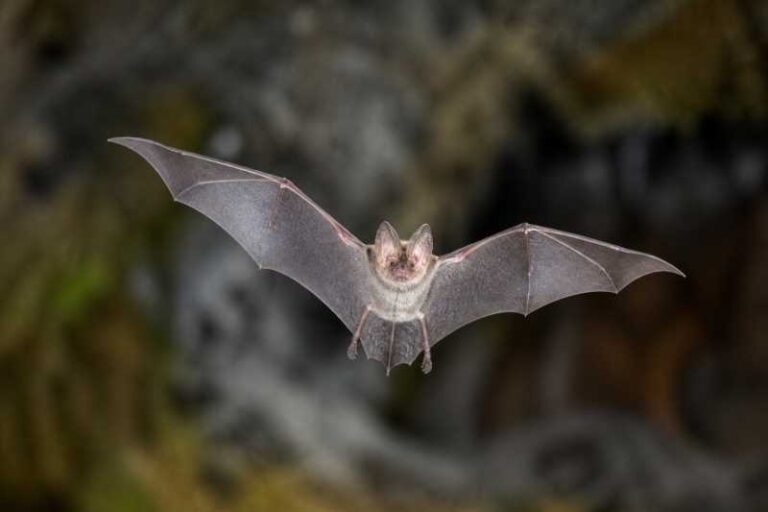
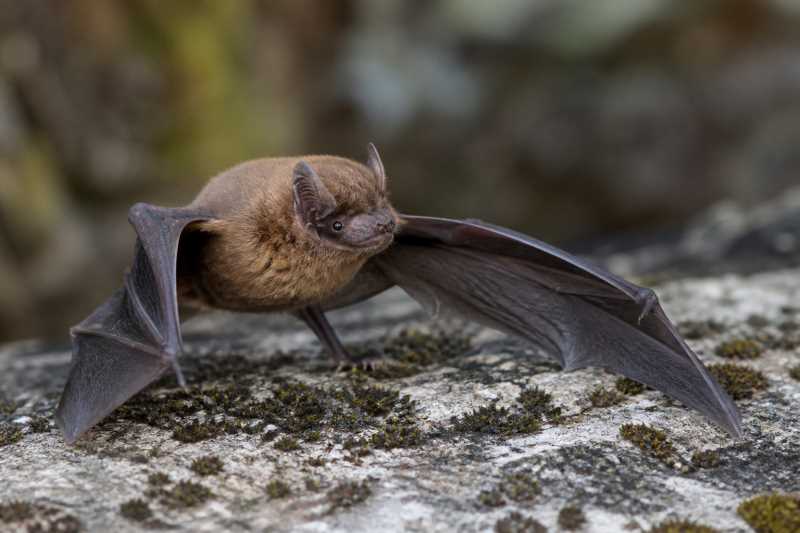
Geoffroy’s Trident Roundleaf Bat is easily identifiable by its unique facial features. The bat possesses a trident-shaped noseleaf, which is not only an evolutionary marvel but also a key feature for echolocation. This bat has a rounded leaf structure on its nose, which aids in sound modulation and prey detection. The fur of Asellia tridens is typically a light brown color, providing excellent camouflage against the rocky terrains it often inhabits.
The size of Geoffroy’s Trident Roundleaf Bat is relatively small, with a wingspan ranging between 25 to 30 centimeters and a body length of about 5 to 7 centimeters. It has a weight range of approximately 10 to 15 grams, making it a lightweight yet agile flyer. The bat’s wings are long and narrow, suited for maneuvering in tight spaces, which is advantageous when navigating caves and crevices.
Range and Habitat
Geoffroy’s Trident Roundleaf Bat is predominantly found in the Middle East and parts of North Africa. Its range extends from Morocco in the west to Iran in the east. This species thrives in arid and semi-arid environments, where it can be found roosting in caves, abandoned buildings, and sometimes in rocky crevices. The availability of such habitats is crucial for their survival, as these places provide protection from predators and extreme weather conditions.
Asellia tridens is adapted to a life in desert and scrubland regions, where vegetation is sparse, and water sources are limited. The bat’s ability to conserve water and withstand high temperatures is remarkable, making it a resilient species in harsh environments.
Behavior and Diet
Geoffroy’s Trident Roundleaf Bat is primarily nocturnal, with most of its activities occurring during the night. This nocturnal nature helps it avoid the intense heat of its habitat during the day. The bat emerges from its roost at dusk to forage for food, returning only at dawn.
The diet of Asellia tridens consists mainly of insects. This insectivorous diet is vital for controlling pest populations, thus playing an essential role in the ecosystem. The bat uses its advanced echolocation abilities to detect and capture prey, often snatching insects mid-flight with remarkable precision.
Identification Tips (Field Recognition Cues)
Identifying Geoffroy’s Trident Roundleaf Bat in the field requires careful observation of several key features:
- Trident Noseleaf: The most distinguishing feature is the trident-shaped structure on its nose, which is unique among bats.
- Fur Color: Look for light brown fur, which can sometimes appear sandy or greyish depending on the lighting.
- Size: Note the small size and narrow wings, which are well-suited for agile flight.
- Roosting Habits: This bat often roosts in caves and rocky crevices, so these are good places to look.
Conservation Status (With Threats and Protections)
As of the latest assessments, Geoffroy’s Trident Roundleaf Bat is classified as Least Concern on the IUCN Red List. However, like many bat species, it faces threats that could impact its population in the future.
Threats
- Habitat Destruction: Urbanization and land development in some regions lead to the destruction of natural roosting sites.
- Disturbance: Human activities in caves can disturb roosting colonies, leading to stress and potential abandonment of sites.
- Climate Change: Altered weather patterns may affect food availability and habitat suitability.
Protections
Efforts to conserve Asellia tridens include:
- Protected Areas: Establishing reserves and protected areas where the bat’s habitats are preserved.
- Public Awareness: Educating local communities about the ecological importance of bats and the need to conserve their habitats.
- Research Initiatives: Supporting research on bat populations and their ecological roles.
Frequently Asked Questions
What do Geoffroy’s Trident Roundleaf Bats eat?
Geoffroy’s Trident Roundleaf Bats primarily feed on insects. They use echolocation to detect and capture their prey, playing a vital role in controlling insect populations.
Where can Geoffroy’s Trident Roundleaf Bats be found?
These bats are found in parts of the Middle East and North Africa, inhabiting arid and semi-arid regions with suitable roosting sites like caves and rocky crevices.
How do Geoffroy’s Trident Roundleaf Bats navigate in the dark?
They use echolocation, emitting sound waves that bounce off objects and return to the bat, helping them navigate and hunt in complete darkness.
Are Geoffroy’s Trident Roundleaf Bats endangered?
Currently, they are classified as Least Concern on the IUCN Red List, but they face threats like habitat destruction and climate change, which could impact their populations.
What is the unique feature of Geoffroy’s Trident Roundleaf Bat?
The most distinctive feature of this bat is its trident-shaped noseleaf, which is used for echolocation and differentiates it from other species.
Related posts