Rennell Flying Fox (Pteropus rennelli): A Comprehensive Guide
Introduction
The Rennell Flying Fox, scientifically known as Pteropus rennelli, is a fascinating species of fruit bat endemic to the Solomon Islands, particularly on Rennell Island. As a member of the Pteropodidae family, it plays a crucial role in the ecosystem by aiding in seed dispersal and pollination. This article delves into the unique characteristics, habitat, behavior, and conservation status of the Rennell Flying Fox, offering insights into its ecological importance and the threats it faces.
Physical Description
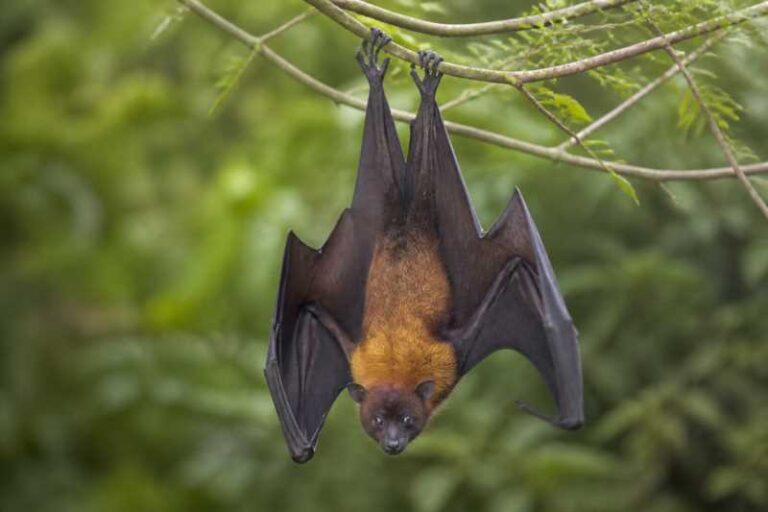
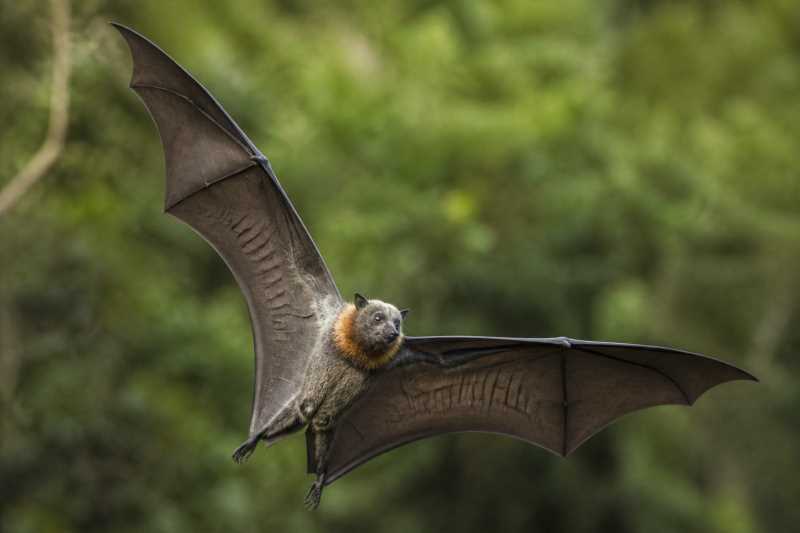
The Rennell Flying Fox is a medium-sized bat with a wingspan ranging from 1.2 to 1.5 meters, allowing it to glide efficiently across its native forests. It has a distinctive appearance characterized by a fox-like face, which is common among the members of its genus, Pteropus. Its fur is predominantly dark brown, with lighter shades on the belly and neck. The wings are leathery and semi-translucent, adapted for agile flight through dense foliage. Their eyes are large and adapted for nocturnal vision, while their ears are short and rounded, aiding in their acute sense of hearing.
Range and Habitat
This species is found exclusively on Rennell Island, the largest raised coral atoll in the world, located in the Solomon Islands. The island’s lush tropical forests provide an ideal habitat for the Rennell Flying Fox, offering abundant fruiting trees and shelter. These bats typically roost in large colonies in the forest canopy, favoring areas that are relatively undisturbed by human activity. The island’s unique ecological setup, with its combination of dense forest and adjacent coastal areas, supports the diverse diet and roosting needs of the Rennell Flying Fox.
Behavior and Diet
The Rennell Flying Fox is primarily nocturnal, emerging at dusk to forage for food. Its diet mainly consists of fruits, nectar, and flowers, with a preference for native fig species and other fruiting trees found on Rennell Island. This feeding behavior plays a significant role in their ecosystem, as they help in pollinating plants and dispersing seeds, thus maintaining forest health and biodiversity.
Social behavior is prominent among these bats, as they often roost together in large colonies that can number in the hundreds. Communication within these colonies occurs through a variety of vocalizations and physical interactions, which help maintain social bonds and coordinate roosting and foraging activities.
Identification Tips (Field Recognition Cues)
Identifying the Rennell Flying Fox in the field can be straightforward if you know what to look for:
- Size and Wingspan: Look for a bat with a wingspan between 1.2 to 1.5 meters.
- Fur Coloration: The dark brown fur with lighter underparts is a distinguishing feature.
- Facial Features: Note the fox-like face with large eyes and short, rounded ears.
- Roosting Habits: These bats form large colonies, so spotting a group roosting in the canopy can be a good indicator.
- Flight Pattern: Their flight is agile and gliding, often seen at dusk as they leave their roosts to forage.
Conservation Status (with Threats and Protections)
The conservation status of the Rennell Flying Fox is currently classified as Vulnerable according to the IUCN Red List. This status is primarily due to habitat loss and hunting pressures. Deforestation for logging and agricultural expansion poses the most significant threat to their habitat, reducing the availability of suitable roosting and feeding sites.
Additionally, hunting for local consumption and traditional uses has led to a decline in their population. Despite these threats, there are ongoing conservation efforts aimed at protecting their habitat and raising awareness about the species’ ecological importance.
Protected areas on Rennell Island and initiatives by local and international conservation organizations seek to mitigate these threats by promoting sustainable land-use practices and enforcing stricter regulations on hunting.
Frequently Asked Questions
What is the diet of the Rennell Flying Fox?
The Rennell Flying Fox primarily feeds on fruits, nectar, and flowers. They play a crucial role in seed dispersal and plant pollination, which helps maintain the health and diversity of their forest habitat.
How does the Rennell Flying Fox contribute to its ecosystem?
This species contributes to its ecosystem by dispersing seeds and pollinating plants. Their foraging activities help promote forest regeneration and biodiversity, making them key players in their environment.
Are Rennell Flying Foxes endangered?
The Rennell Flying Fox is classified as Vulnerable, facing threats from habitat loss due to deforestation and hunting pressures. Conservation efforts are underway to protect their habitat and reduce human impact.
Where can the Rennell Flying Fox be found?
The Rennell Flying Fox is endemic to Rennell Island in the Solomon Islands, where it inhabits the tropical forests and roosts in large colonies within the island’s canopy.
What are the main threats to the Rennell Flying Fox?
The main threats include habitat destruction due to logging and agricultural expansion, as well as hunting for local consumption. Conservation measures are essential to mitigate these threats and protect this species.
Related posts