Agile Opossum (Gracilinanus agilis): A Comprehensive Guide
Introduction
The Agile Opossum, scientifically known as Gracilinanus agilis, is a fascinating marsupial species that captivates wildlife enthusiasts and researchers alike. This small, nocturnal creature is recognized for its nimble movements and adaptability, which allow it to thrive in diverse environments across South America. As members of the Didelphidae family, Agile Opossums are vital to their ecosystems, serving significant ecological roles. Understanding their biology, behavior, and conservation status is essential for ensuring their continued survival.
Physical Description
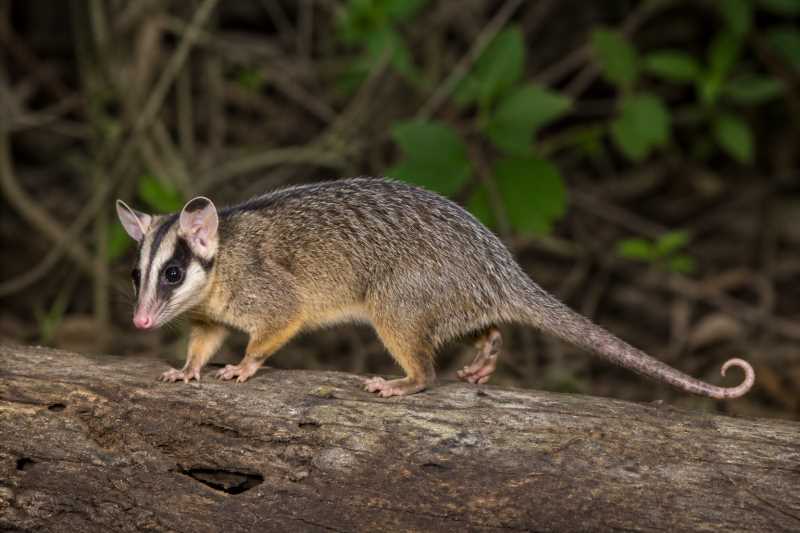
Agile Opossums are diminutive marsupials, with body lengths ranging from 9 to 13 centimeters (approximately 3.5 to 5 inches) and tail lengths extending to about 13 to 20 centimeters (5 to 8 inches). They typically weigh between 15 and 25 grams (0.5 to 0.9 ounces), making them one of the lighter members of their genus. Their fur is soft and dense, predominantly grey or brown on the dorsal side, while the ventral side displays a paler coloration, often white or cream.
A distinctive characteristic of the Agile Opossum is its prehensile tail, which is slightly longer than its body. This adaptation is crucial for aiding in balance and agility when navigating through trees and shrubbery. The ears are rounded and prominent, contributing to their acute sense of hearing, which is vital for detecting predators and locating prey.
Range and Habitat
The Agile Opossum inhabits a wide range of environments across South America, predominantly found in countries such as Brazil, Bolivia, Paraguay, and Argentina. These marsupials favor lowland rainforests, savannas, and shrublands, where they can exploit their arboreal abilities. They are highly adaptable and have been recorded in secondary forests and even disturbed habitats, indicating their resilience.
In these habitats, Agile Opossums prefer areas with abundant foliage and a dense canopy, which provide cover from predators and ample foraging opportunities. Their presence in diverse habitats underscores their ecological versatility and importance.
Behavior and Diet
Agile Opossums are primarily nocturnal, meaning they are most active during the night. This behavior helps them avoid many diurnal predators and capitalize on the abundance of nocturnal insects and small invertebrates. They are solitary animals, engaging in social interactions mainly during the breeding season.
Their diet is omnivorous, consisting of insects, fruits, small vertebrates, and occasionally nectar. This varied diet allows them to adapt to seasonal changes in food availability. Their agility and arboreal lifestyle enable them to exploit food resources in both trees and on the ground.
Identification Tips
Identifying Agile Opossums in the field requires attention to specific features:
- Size and Shape: Look for a small, slender body with a proportionately long tail.
- Coloration: Note the grey or brown dorsal fur, contrasting with a lighter ventral side.
- Tail: A prehensile tail longer than the body is a key identifier.
- Ears: Rounded, prominent ears aid in distinguishing them from similar species.
These cues, along with their habitat preferences, help in accurately identifying Agile Opossums in the wild.
Conservation Status
The conservation status of Agile Opossums is currently listed as Least Concern by the International Union for Conservation of Nature (IUCN). This classification is due to their wide distribution and presumed large population. However, they face several threats that could impact their populations if not addressed.
Threats
- Habitat Loss: Deforestation and land conversion for agriculture reduce their natural habitats.
- Climate Change: Alterations in climate patterns can affect food availability and habitat conditions.
- Predation: Natural predators, as well as domestic animals like cats and dogs, pose a threat.
Protections
Conservation efforts for Agile Opossums include:
- Protected Areas: Many populations exist within national parks and reserves.
- Reforestation Projects: Efforts to restore natural habitats contribute to their survival.
- Research and Monitoring: Ongoing studies help track population trends and ecological needs.
Frequently Asked Questions
What is the primary diet of Agile Opossums?
Agile Opossums have an omnivorous diet that includes insects, fruits, small vertebrates, and occasionally nectar. Their dietary flexibility allows them to adapt to varying food availability in different habitats.
How do Agile Opossums contribute to their ecosystem?
Agile Opossums play a crucial role in their ecosystem by controlling insect populations and aiding in seed dispersal. Their presence supports biodiversity and ecological balance.
Are Agile Opossums endangered?
Currently, Agile Opossums are not endangered, classified as Least Concern. However, ongoing threats like habitat loss and climate change could impact their populations in the future.
How can I help in the conservation of Agile Opossums?
Supporting conservation organizations, promoting habitat preservation, and raising awareness about the ecological importance of Agile Opossums can aid in their conservation.
What are the main threats faced by Agile Opossums?
The primary threats include habitat loss due to deforestation, climate change, and predation by both natural and domestic animals.
Related posts