Paraguayan Hairy Dwarf Porcupine: A Comprehensive Guide
Introduction
The Paraguayan Hairy Dwarf Porcupine, scientifically known as Coendou spinosus, is a captivating species that belongs to the Erethizontidae family. This small mammal is native to South America and is renowned for its distinctive spiny appearance and elusive nature. Despite being lesser-known compared to its larger relatives, the Paraguayan Hairy Dwarf Porcupine plays a significant role in the ecosystem. In this article, we delve deeper into the fascinating world of this unique porcupine, exploring its physical characteristics, habitat, behavior, and conservation status.
Physical Description
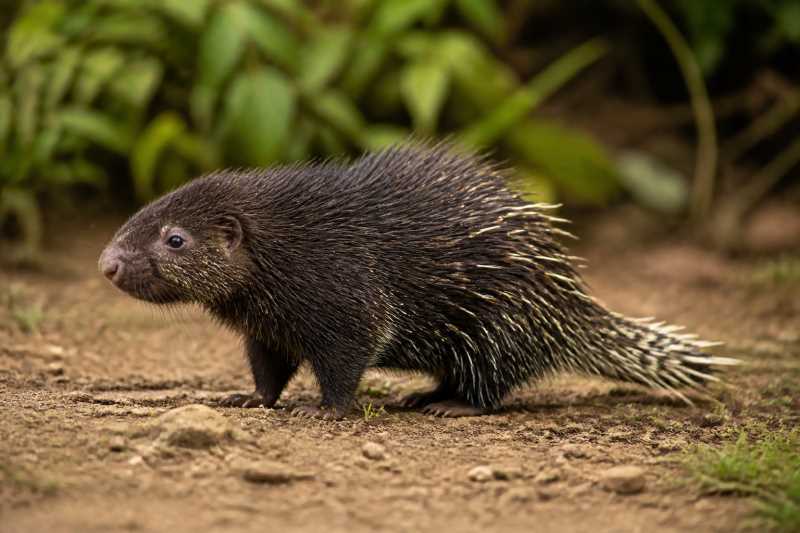
The Paraguayan Hairy Dwarf Porcupine is a small to medium-sized rodent characterized by its spiny covering, which serves as a defense mechanism against predators. Unlike other porcupine species, this particular porcupine features a blend of spines and softer hair, giving it a somewhat hairy appearance.
Spines and Hair
The spines of the Paraguayan Hairy Dwarf Porcupine are shorter compared to those of its larger relatives. These spines are interspersed with long, coarse hairs that vary in color from brown to gray, providing camouflage in its natural habitat. The spines are not only a physical defense but also have a deterrent effect on potential predators.
Size and Weight
Typically, this species measures between 30 and 50 centimeters in length, not including its prehensile tail, which can add an additional 20 to 25 centimeters. It weighs between 1.5 and 3 kilograms, making it agile and capable of maneuvering through the dense foliage of its habitat.
Facial Features
The face of the Paraguayan Hairy Dwarf Porcupine is relatively small, with a blunt nose and large, dark eyes that aid in nocturnal activities. Their ears are small and rounded, often hidden within the dense fur.
Range and Habitat
The Paraguayan Hairy Dwarf Porcupine inhabits a range of environments across South America, including Paraguay, Brazil, and parts of Argentina. Its preferred habitats are tropical and subtropical forests, where it can make use of the dense vegetation for both food and protection.
Forest Canopy
Living primarily in the forest canopy, this porcupine is an adept climber. Its prehensile tail is a crucial adaptation, allowing it to grasp branches securely as it navigates the treetops. This arboreal lifestyle reduces competition and predation risk, allowing access to a variety of food sources.
Home Range
The home range of the Paraguayan Hairy Dwarf Porcupine is not thoroughly documented, but it is believed to be relatively small, reflecting its solitary and territorial nature. Each porcupine establishes a range based on the availability of food and suitable nesting sites.
Behavior and Diet
The Paraguayan Hairy Dwarf Porcupine is primarily nocturnal, spending daylight hours resting in tree hollows or dense foliage. Its behavior is characterized by solitary habits, with individuals coming together only during the breeding season.
Diet
As an herbivore, this porcupine’s diet consists of leaves, fruits, and bark. It has a particular preference for young leaves and fresh fruits, which provide essential nutrients. Its strong, chisel-like teeth are well-adapted for gnawing on tough plant material.
Social Behavior
While generally solitary, the Paraguayan Hairy Dwarf Porcupine communicates with others through a variety of vocalizations, including grunts, squeaks, and hisses. These sounds are used to ward off intruders and during mating rituals.
Identification Tips (Field Recognition Cues)
Identifying the Paraguayan Hairy Dwarf Porcupine in the wild requires keen observation and knowledge of its distinctive features:
- Spiny Appearance: Look for the characteristic spiny covering mixed with coarse hair.
- Size: Note the small to medium body size, typically no larger than 50 centimeters in length.
- Tail: The prehensile tail is a key identifier, often seen wrapped around branches.
- Habitat: Locate them in forest canopies, particularly in dense, subtropical forests.
Conservation Status (with Threats and Protections)
The Paraguayan Hairy Dwarf Porcupine is currently listed as Least Concern by the IUCN. However, like many forest-dwelling species, it faces several threats that could impact its population in the future.
Threats
The primary threat to this species is habitat destruction due to deforestation for agriculture and urban development. This loss of habitat not only reduces available resources but also increases the risk of predation. Additionally, illegal hunting poses a threat, as porcupines are sometimes hunted for their meat and spines.
Conservation Efforts
To mitigate these threats, several conservation measures are being implemented. Protected areas and national parks provide safe havens for the species, while reforestation projects aim to restore lost habitats. Conservationists are also working to raise awareness about the importance of preserving this unique species and its environment.
Frequently Asked Questions
What is the diet of the Paraguayan Hairy Dwarf Porcupine?
The Paraguayan Hairy Dwarf Porcupine is an herbivore, primarily feeding on leaves, fruits, and bark. It prefers young leaves and fresh fruits, which provide essential nutrients for its survival.
How does the Paraguayan Hairy Dwarf Porcupine defend itself?
This porcupine defends itself using its spines, which are sharp and can deter predators. Additionally, its coloration and spiny appearance provide camouflage in its natural habitat.
Where can the Paraguayan Hairy Dwarf Porcupine be found?
The Paraguayan Hairy Dwarf Porcupine is found in the tropical and subtropical forests of South America, particularly in Paraguay, Brazil, and parts of Argentina. It primarily inhabits the forest canopy.
Are Paraguayan Hairy Dwarf Porcupines endangered?
Currently, the Paraguayan Hairy Dwarf Porcupine is listed as Least Concern by the IUCN. However, habitat destruction and illegal hunting are potential threats that could affect its population.
How can I identify a Paraguayan Hairy Dwarf Porcupine in the wild?
Look for a small to medium-sized rodent with a distinctive spiny covering mixed with coarse hair. Its prehensile tail is often seen wrapped around branches in the forest canopy.
Related posts