Little Pocket Mouse (Perognathus longimembris): A Comprehensive Guide
Introduction
The Little Pocket Mouse, scientifically known as Perognathus longimembris, is a remarkable species of small rodent within the Heteromyidae family. Known for its distinctive adaptations and subtle charm, this diminutive mammal is a fascinating subject for study and conservation. This article delves into various aspects of the Little Pocket Mouse, from its physical characteristics to its habitat preferences, behavior, and conservation status.
Physical Description
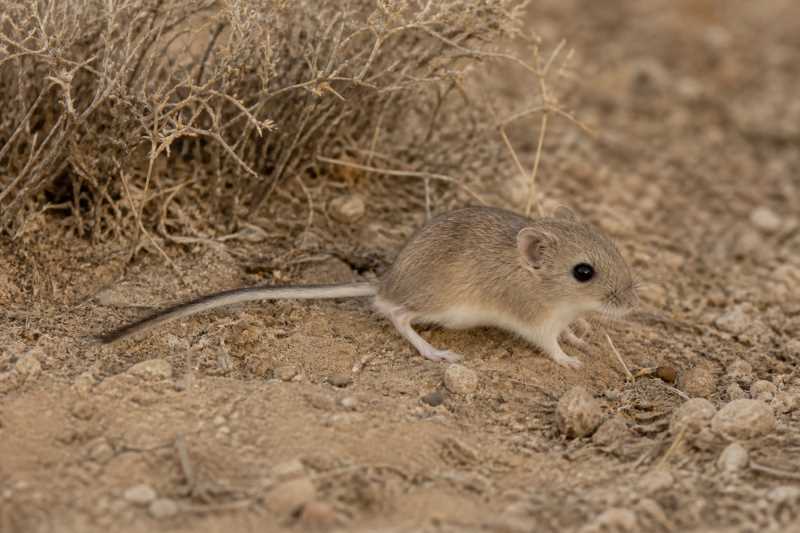
The Little Pocket Mouse is aptly named for its petite size and the fur-lined cheek pouches it uses to transport food. Adult mice typically measure between 100 to 140 millimeters in total length, including a tail that spans approximately half of this measurement. Their weight ranges from a mere 5 to 10 grams, making them one of the lightest mammals in North America.
Characterized by a soft, short fur, the Little Pocket Mouse displays a color palette that ranges from yellowish-brown to grayish-buff on its dorsal side, with a noticeably paler ventral side. This coloration provides effective camouflage against the sandy soils and desert environments they inhabit. Their large eyes and small, rounded ears enhance their night vision and hearing, crucial for their nocturnal lifestyle.
Range and Habitat
The Little Pocket Mouse is predominantly found across the arid and semi-arid regions of the southwestern United States and northern Mexico. Their range extends through parts of California, Nevada, Utah, Arizona, and into Baja California and Sonora, Mexico. These rodents prefer sandy, loose soils typical of deserts, grasslands, and scrublands, where they can easily dig burrows.
Their habitat selection is closely tied to the availability of loose, sandy soil, which facilitates their burrowing behavior. They are often found in areas with sparse vegetation, such as creosote bush scrub and Joshua tree woodlands. These environments not only provide the necessary conditions for their nesting habits but also supply a source of seeds, their primary food source.
Behavior and Diet
As a nocturnal species, the Little Pocket Mouse is most active during the cooler nighttime hours. They spend daylight hours in their burrows, which provide shelter from the extreme temperatures of their desert habitats. These burrows also serve as storage sites for food and as a refuge from predators.
The diet of the Little Pocket Mouse is mainly granivorous, consisting predominantly of seeds. They have a particular affinity for the seeds of grasses and forbs but will occasionally consume small insects and green vegetation. The cheek pouches of the Little Pocket Mouse are not just for transportation; they also play a role in food storage. These pouches enable the mouse to gather and store seeds, reducing the need to forage frequently and minimizing exposure to predators.
During periods of food scarcity or extreme weather, the Little Pocket Mouse can enter a state of torpor, a temporary hibernation-like condition to conserve energy. This physiological adaptation is critical for survival in their harsh desert environments.
Identification Tips (Field Recognition Cues)
Identifying the Little Pocket Mouse in the field involves recognizing several key characteristics:
- Body Size and Shape: Look for a small, slender rodent with a total length of about 100-140 millimeters.
- Coloration: Note the yellowish-brown to grayish-buff dorsal coloring, contrasted with a lighter ventral side.
- Cheek Pouches: Observe the presence of fur-lined cheek pouches, which are used for carrying seeds.
- Tail: The tail is about half the total body length and is slender and bicolored, matching the body’s coloration.
- Habitat: Typically found in sandy, desert, or scrubland areas with sparse vegetation.
Conservation Status (with Threats and Protections)
The Little Pocket Mouse is currently classified as a species of Least Concern on the IUCN Red List. However, localized populations may face threats due to habitat destruction and fragmentation, primarily from agricultural development and urbanization. Additionally, climate change poses a potential threat by altering the delicate desert ecosystems upon which these mice depend.
Conservation efforts for the Little Pocket Mouse focus on habitat preservation and restoration. Ensuring that large areas of their natural habitat remain intact is crucial for maintaining stable populations. Protected areas, such as national parks and wildlife reserves, offer a refuge from the pressures of urban development.
Public education and awareness programs are also vital in promoting the conservation of this species, highlighting the importance of preserving biodiversity and natural habitats.
Frequently Asked Questions
What do Little Pocket Mice eat?
Little Pocket Mice primarily consume seeds from grasses and forbs. They occasionally eat small insects and green vegetation, but seeds are their main dietary component.
How do Little Pocket Mice adapt to desert environments?
They have developed several adaptations, such as nocturnal behavior, the ability to enter torpor, and fur-lined cheek pouches for storing food, which help them survive in harsh desert conditions.
Where can I find Little Pocket Mice in the wild?
They are commonly found in the arid and semi-arid regions of the southwestern United States and northern Mexico, particularly in sandy soils of deserts and scrublands.
What threats do Little Pocket Mice face?
The main threats include habitat destruction and fragmentation due to agriculture and urbanization, and potential impacts from climate change altering their natural habitats.
How can I help conserve Little Pocket Mice?
Supporting habitat preservation efforts, participating in local conservation programs, and raising awareness about the importance of biodiversity can contribute to the conservation of Little Pocket Mice.
Related posts