Northern Mountain Cavy (Microcavia niata)
Introduction
The Northern Mountain Cavy, scientifically known as Microcavia niata, is a small rodent belonging to the family Caviidae. It is native to South America and is closely related to the well-known guinea pig. This species is an intriguing subject for study due to its unique adaptation to high-altitude environments, its social behavior, and its role in the ecosystem. Despite its relative obscurity compared to other cavies, the Northern Mountain Cavy plays a crucial role in its natural habitat and offers valuable insights into the adaptability and evolution of mammals.
Physical Description
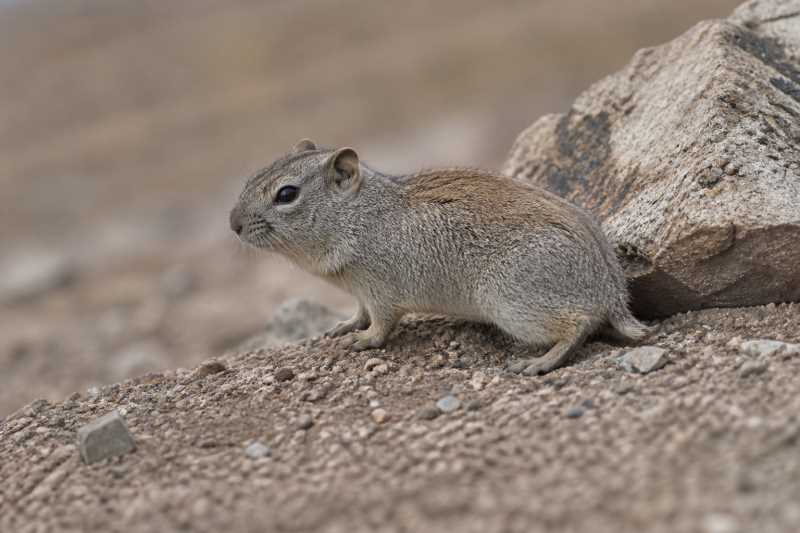
The Northern Mountain Cavy is a small, robust rodent characterized by its compact body and short limbs. Adults typically weigh between 300 to 600 grams and measure approximately 20 to 30 centimeters in length. Their fur is dense and soft, providing insulation against the cold temperatures of their mountainous habitats. The coloration of their fur varies from grayish-brown to reddish-brown, often with lighter underparts, which offers effective camouflage against the rocky landscapes.
One of the distinguishing features of the Northern Mountain Cavy is its rounded ears and large, prominent eyes, which are well adapted for their environment. These physical traits not only enhance their ability to detect predators but also facilitate communication among individuals. Their incisors are continuously growing, a common trait among rodents, and they are adapted for gnawing on the tough vegetation found in their habitat.
Range and Habitat
The Northern Mountain Cavy is primarily found in the Andean regions of South America, with its range extending across parts of Peru, Bolivia, and northern Chile. They inhabit high-altitude areas, typically between 3,000 to 5,000 meters above sea level, where they have adapted to the harsh conditions of mountainous terrain.
Their preferred habitats include rocky outcrops, grasslands, and shrublands, where they can find ample food and shelter. These areas provide natural protection from predators and harsh weather conditions. The Northern Mountain Cavy is well adapted to these environments, exhibiting behaviors and physical characteristics that allow it to thrive at such elevations.
Behavior and Diet
The Northern Mountain Cavy is a social animal, often found living in groups that can range from small family units to larger colonies. This social structure offers several advantages, including increased vigilance against predators and improved foraging efficiency. Communication within these groups is facilitated through a range of vocalizations, body postures, and scent markings.
Their diet primarily consists of grasses, herbs, and other vegetation available in their habitat. During the dry season, when food is scarce, they may rely on stored vegetation or forage for other available food sources. Their herbivorous diet is complemented by a digestive system adapted to efficiently process fibrous plant material.
Identification Tips
Identifying the Northern Mountain Cavy in the wild can be challenging due to its elusive nature and the remote habitats it occupies. However, several field recognition cues can aid in their identification:
- Size and Shape: Look for a small, stocky rodent with a rounded body and short limbs.
- Fur Color: Note the grayish-brown to reddish-brown fur, often with lighter underparts.
- Ears and Eyes: Observe the rounded ears and large, prominent eyes.
- Habitat: Focus on high-altitude regions with rocky outcrops and grasslands.
- Behavior: Watch for social groups and listen for vocalizations.
Conservation Status
The current conservation status of the Northern Mountain Cavy is not well-documented, largely due to the species’ remote habitat and limited research. However, like many other high-altitude species, they face several threats that could impact their populations:
- Habitat Loss: Expansion of agriculture and mining activities in the Andes threatens their natural habitats.
- Climate Change: Alterations in climate patterns can affect the availability of food and suitable living conditions.
- Predation: Natural predators include birds of prey and carnivorous mammals.
Conservation efforts are necessary to ensure the survival of this species, including habitat protection and further research to monitor population trends. Implementing measures to mitigate human impact and preserve high-altitude ecosystems will be crucial in maintaining the ecological balance.
Frequently Asked Questions
What is the natural habitat of the Northern Mountain Cavy?
The Northern Mountain Cavy inhabits high-altitude regions of the Andes, primarily in Peru, Bolivia, and northern Chile, where they live in rocky outcrops, grasslands, and shrublands.
How does the Northern Mountain Cavy adapt to its environment?
The Northern Mountain Cavy has several adaptations for high-altitude living, including dense fur for insulation, social behavior for protection, and a specialized diet to process fibrous vegetation.
What threats do Northern Mountain Cavies face in the wild?
They face threats from habitat loss due to agriculture and mining, climate change affecting food availability, and natural predation from birds of prey and carnivorous mammals.
How can Northern Mountain Cavies be identified in the wild?
They can be identified by their small, stocky bodies, grayish-brown to reddish-brown fur, rounded ears, large eyes, and their presence in high-altitude Andean habitats.
Why is the conservation of the Northern Mountain Cavy important?
Conserving this species is vital for maintaining the ecological balance of high-altitude ecosystems and understanding the adaptability and evolution of mammals in extreme environments.
Related posts