Introduction
The Para Spiny Tree-rat (Mesomys stimulax) is a lesser-known yet fascinating rodent species that captivates scientists and nature enthusiasts alike. With its distinct physical characteristics and unique ecological role, this species provides valuable insights into the biodiversity of South America’s rainforests. As a member of the Echimyidae family, the Para Spiny Tree-rat shares its lineage with other spiny rats, known for their spiny fur and arboreal lifestyles. In this comprehensive guide, we will explore the physical description, range, habitat, behavior, diet, conservation status, and field identification tips for Mesomys stimulax. Additionally, we’ll address some frequently asked questions about this intriguing mammal.
Physical Description
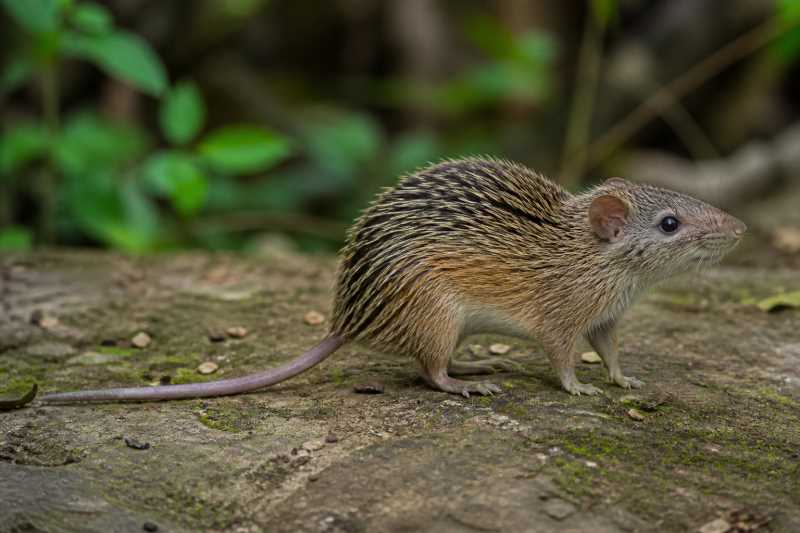
The Para Spiny Tree-rat exhibits a remarkable blend of features that make it easily identifiable to those familiar with its characteristics. Adult individuals typically measure between 20 to 30 centimeters in length, with a tail that extends an additional 15 to 20 centimeters. This tail, often slightly longer than the body, is prehensile, aiding in their arboreal lifestyle by providing balance and grip on tree branches.
The fur of the Para Spiny Tree-rat is a key identification feature. It is coarse and spiny, primarily serving as a defensive mechanism against predators. The coloration ranges from reddish-brown on the back to a lighter, almost creamy hue on the underbelly. The spines are not as pronounced as those found in porcupines, but they offer sufficient protection while navigating the dense foliage.
The head of Mesomys stimulax is characterized by large, expressive eyes and small, rounded ears that are adept at detecting sounds within their forested habitats. The incisors are robust, designed for gnawing on a variety of plant materials, which constitutes a significant portion of their diet.
Range and Habitat
The Para Spiny Tree-rat is endemic to the Amazon Basin, specifically within the regions of Brazil. Their range is primarily confined to the dense, humid rainforests where they thrive in the canopy layers. These rainforests provide an ideal habitat with abundant food sources and ample cover from predators.
Within these ecosystems, Mesomys stimulax exhibits a preference for the mid to upper canopy levels, rarely descending to the forest floor. This arboreal adaptation is crucial for avoiding terrestrial predators and accessing the fruits, seeds, and leaves that form their primary diet. The presence of dense foliage offers both shelter and nesting sites, with nests typically constructed in tree cavities or dense vine tangles.
Behavior and Diet
The Para Spiny Tree-rat is primarily nocturnal, engaging in most of its activities under the cover of darkness. This behavior reduces the risk of predation while allowing them to exploit food resources that may be less accessible during the day. They are generally solitary creatures, with interactions among individuals primarily occurring during the breeding season.
Dietarily, Mesomys stimulax is a folivore and frugivore, consuming a variety of plant materials. Their diet includes fruits, seeds, leaves, and occasionally bark. This dietary flexibility allows them to adapt to seasonal variations in food availability within their rainforest habitats. Their strong incisors are adapted for gnawing, enabling them to access the nutritional content of tough plant materials.
Identification Tips (Field Recognition Cues)
For field researchers and wildlife enthusiasts, identifying the Para Spiny Tree-rat requires attention to several key characteristics:
- Size and Shape: Look for a medium-sized rodent with a long, prehensile tail that is often as long as the body.
- Fur and Spines: Notice the coarse, spiny fur that is reddish-brown on the back and lighter on the belly.
- Tail: The tail is not only long but also slightly bushy and capable of grasping branches.
- Behavior: Primarily nocturnal and arboreal, usually seen navigating the mid to upper canopy.
- Sounds: Listen for their low, chattering calls during nocturnal activities.
Conservation Status (with Threats and Protections)
Currently, the Para Spiny Tree-rat is classified as "Least Concern" by the International Union for Conservation of Nature (IUCN). However, this status does not imply that the species faces no threats. Habitat destruction, primarily due to deforestation for agriculture and logging, poses a significant risk to their populations. As their habitat is fragmented, the availability of food sources and nesting sites diminishes, which could impact their long-term survival.
Efforts to protect the Para Spiny Tree-rat include the establishment of protected areas within the Amazon Basin, which safeguard significant portions of their natural habitat. Conservation programs focused on sustainable forestry practices and reforestation also contribute to mitigating the impacts of habitat loss.
Frequently Asked Questions
1. What is the primary diet of the Para Spiny Tree-rat?
The Para Spiny Tree-rat primarily feeds on a diet consisting of fruits, seeds, leaves, and occasionally bark. They are both folivorous and frugivorous, adapting their diet based on seasonal availability within their rainforest habitat.
2. How does the Para Spiny Tree-rat protect itself from predators?
The Para Spiny Tree-rat uses its coarse, spiny fur as a defense mechanism against predators. Additionally, its nocturnal and arboreal lifestyle helps it avoid many ground-dwelling threats.
3. Where can you find the Para Spiny Tree-rat in the wild?
The Para Spiny Tree-rat is found in the Amazon Basin, specifically in the rainforests of Brazil. It resides primarily in the mid to upper canopy layers of these dense, humid forests.
4. What are the main threats to the Para Spiny Tree-rat’s survival?
The main threats to the Para Spiny Tree-rat include habitat destruction due to deforestation for agriculture and logging. This can lead to habitat fragmentation, impacting their food sources and nesting sites.
5. Are there any conservation measures in place for the Para Spiny Tree-rat?
Yes, conservation measures include the establishment of protected areas within the Amazon Basin and initiatives promoting sustainable forestry practices to preserve their natural habitat.
Related posts