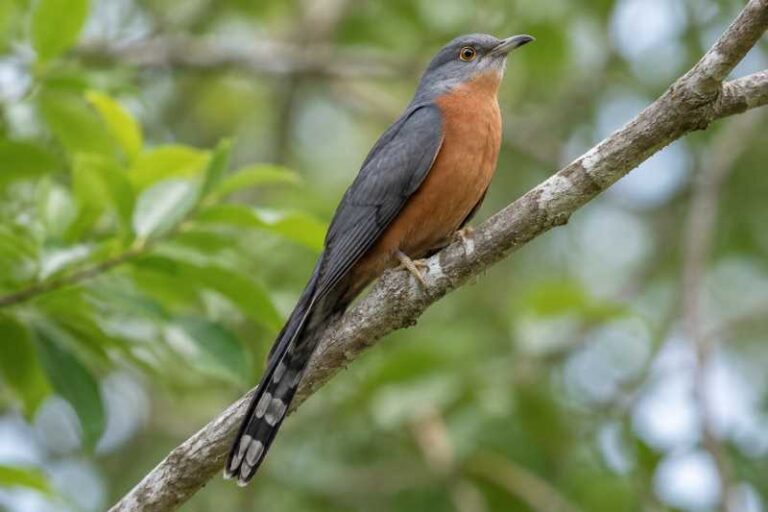
The Enigmatic Kinglet Calyptura: A Jewel of the Brazilian Forests
Introduction
The Kinglet Calyptura (Calyptura cristata) is an elusive bird species that has intrigued ornithologists and birdwatchers alike. Historically shrouded in mystery, the Kinglet Calyptura is native to the Atlantic Forest of Brazil. This article delves into the fascinating world of the Kinglet Calyptura, exploring its habitat, behavior, conservation status, and the efforts aimed at its preservation.
Taxonomy and Morphology
Belonging to the family Tyrannidae, the Kinglet Calyptura is a small passerine bird with a distinct appearance. It is characterized by its vibrant green plumage, accented with a striking orange crown, which makes it distinguishable from other species in its habitat. Measuring approximately 8.5 centimeters in length and weighing around 9 grams, this bird is a true minuscule marvel.
The taxonomy of the Kinglet Calyptura has been a subject of debate among ornithologists. Initially classified under Cotingidae, its unique characteristics and behaviors have led some to suggest its placement in a separate family. Recent genetic studies, however, reinforce its classification within the Tyrannidae family, although its exact placement remains a topic of ongoing research.
Habitat and Distribution
The Kinglet Calyptura is endemic to the Atlantic Forest, a region known for its rich biodiversity and high levels of endemism. This biome stretches along the eastern coast of Brazil and is characterized by its tropical and subtropical moist forest ecosystems. The calyptura favors the dense understory of these forests, where it finds ample food and shelter.
Historically, the Kinglet Calyptura was believed to inhabit a broader range across the Atlantic Forest. However, due to extensive deforestation and habitat fragmentation, its current distribution is likely much more limited. These environmental changes pose significant challenges to the survival of the species.
Behavior and Ecology
The Kinglet Calyptura is a diurnal bird, primarily active during the early morning and late afternoon. Despite its vibrant plumage, it can be surprisingly difficult to spot due to its preference for dense foliage. The bird is known for its elusive nature, which contributes to the mystery surrounding its behavior and ecology.
Dietarily, the Kinglet Calyptura is insectivorous, feeding mainly on small arthropods. Its foraging behavior involves gleaning insects from leaves and branches, often seen flitting through the understory in search of food. This dietary preference plays a crucial role in controlling insect populations within its ecosystem.
Reproductive behaviors of the Kinglet Calyptura remain largely undocumented due to its rarity and the inaccessibility of its preferred habitats. Observations suggest that it nests in dense vegetation, though direct evidence and detailed descriptions of its breeding habits are still needed.
Conservation Status and Challenges
The International Union for Conservation of Nature (IUCN) currently lists the Kinglet Calyptura as Critically Endangered. This classification reflects the severe threats facing the species, primarily habitat loss due to deforestation for agriculture, urbanization, and logging. The Atlantic Forest has been reduced to a fraction of its original size, with only around 12% of the forest remaining intact.
Conservation efforts are further complicated by the bird’s elusive nature and its scattered distribution. The scarcity of sightings over the years has led some to speculate that the Kinglet Calyptura might be extinct. However, sporadic reports and unconfirmed sightings continue to fuel hope for its survival.
Conservation Efforts and Future Outlook
Several conservation initiatives are underway to protect the Kinglet Calyptura and its habitat. Organizations such as BirdLife International and local Brazilian NGOs are actively working to preserve the remaining tracts of the Atlantic Forest. These efforts include reforestation projects, the establishment of protected areas, and community engagement to promote sustainable land use.
Scientific research is also a critical component of conservation strategies. Ornithologists are conducting field surveys and utilizing modern technologies, such as bioacoustics and remote sensing, to locate and study the Kinglet Calyptura. These efforts aim to gather data on its population size, distribution, and ecological requirements, which are vital for effective conservation planning.
The future of the Kinglet Calyptura depends largely on the success of these conservation initiatives and the broader efforts to protect the Atlantic Forest. Public awareness and education are essential in fostering a culture of conservation that values biodiversity and recognizes the importance of preserving this unique ecosystem.
Conclusion
The Kinglet Calyptura remains one of the most enigmatic birds of the Atlantic Forest. Its rarity and the challenges it faces underscore the urgent need for concerted conservation efforts. Protecting this species is not only crucial for its survival but also for the health of the entire ecosystem it inhabits. By safeguarding the Kinglet Calyptura, we contribute to the preservation of the rich biodiversity of the Atlantic Forest, ensuring it remains a haven for countless species for generations to come.
Related posts