Introduction
The Australian Bush Rat, scientifically known as Rattus fuscipes, is a fascinating mammal that plays a crucial role in its native ecosystem. As one of the many native rodents found on the continent, this species is an integral part of Australia’s rich biodiversity. Bush Rats are small, nocturnal creatures that thrive in a variety of habitats across the country. Despite their abundance, they are often overshadowed by more charismatic Australian fauna like kangaroos and koalas. However, their ecological importance cannot be overstated, as they contribute to seed dispersal, soil aeration, and serve as prey for various predators.
Physical Description
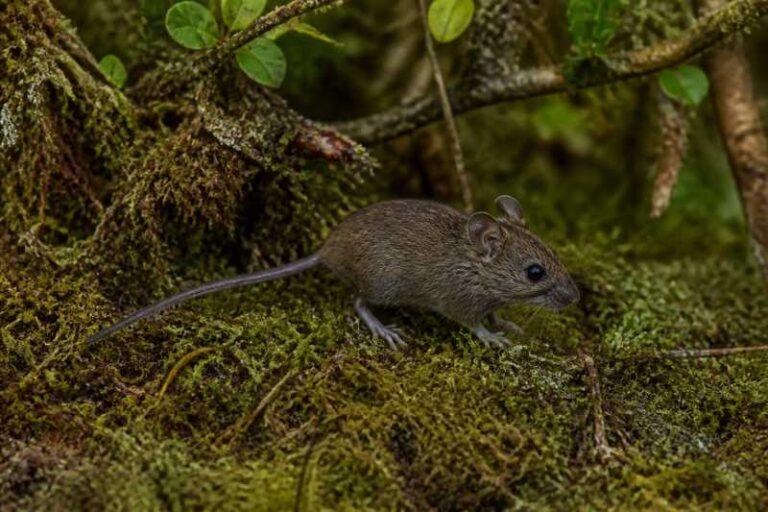
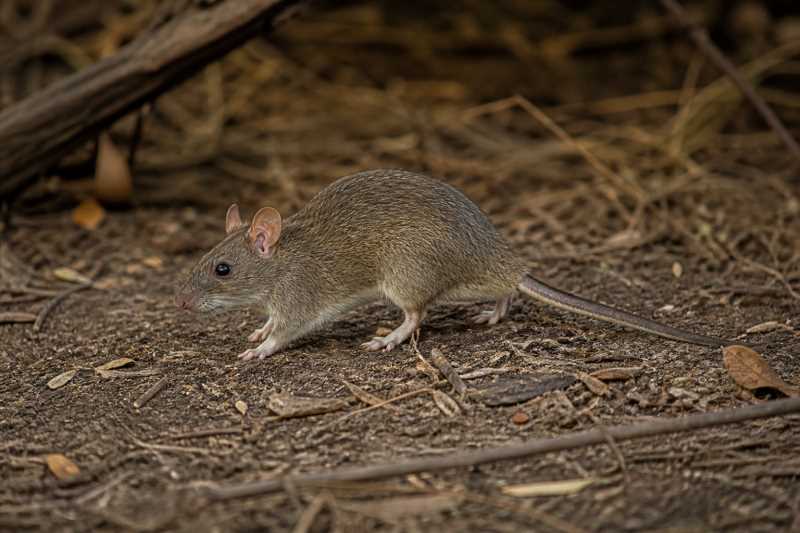
The Australian Bush Rat is a medium-sized rodent with a robust body and a relatively short tail compared to other rat species. Adult Bush Rats typically weigh between 100 to 225 grams (3.5 to 8 ounces) and measure about 12 to 20 centimeters (4.7 to 7.9 inches) in body length, with the tail adding an additional 10 to 15 centimeters (3.9 to 5.9 inches). They possess a dense coat of fur, which is generally brown or grey on the dorsal side and lighter on the ventral side. This coloration provides excellent camouflage in their natural habitats. Their large, rounded ears and prominent eyes are well-adapted for nocturnal activity. The snout is pointed, and the whiskers are long, aiding in navigation and foraging in the dark.
Range and Habitat
The Australian Bush Rat is widely distributed across the eastern and southern regions of Australia, including Queensland, New South Wales, Victoria, South Australia, and Tasmania. They inhabit a range of environments, from coastal forests and woodlands to heathlands and grasslands. These adaptable rodents are often found in areas with dense undergrowth, which provides cover from predators and access to food resources. The presence of thick vegetation is crucial for their survival, as it offers both protection and nesting sites.
Behavior and Diet
Bush Rats are primarily nocturnal, spending their days in burrows or nests constructed from leaves and grasses. These nests are usually located in sheltered spots, such as under logs or within dense shrubs. At night, they emerge to forage for food, displaying a diet that is omnivorous in nature. They feed on a variety of items, including seeds, fruits, insects, fungi, and small invertebrates. This varied diet allows them to adapt to different environmental conditions and resource availability. Bush Rats are solitary creatures, although they may occasionally be observed foraging in groups, especially in areas with abundant food supply.
Identification Tips (Field Recognition Cues)
Identifying the Australian Bush Rat in the field requires attention to several distinct characteristics. Here are some tips to help recognize this species:
- Size and Shape: Look for a medium-sized rodent with a robust body and a tail that is shorter than the body length.
- Fur Coloration: Note the brown or grey dorsal fur with a lighter underside, providing effective camouflage in natural habitats.
- Ears and Eyes: Large, rounded ears and prominent eyes are indicative of their nocturnal lifestyle.
- Behavior: Observe their nocturnal foraging patterns and the presence of nests made from leaves and grasses.
- Habitat: Check areas with dense undergrowth and thick vegetation, common habitats for Bush Rats.
Conservation Status (with Threats and Protections)
The Australian Bush Rat is currently classified as a species of Least Concern by the International Union for Conservation of Nature (IUCN). Despite this status, they face several threats that could impact their populations. Habitat destruction due to land clearing for agriculture and urban development poses a significant threat, as it reduces the availability of suitable habitats. Additionally, predation by introduced species such as foxes and feral cats further threatens their survival.
Conservation efforts are focused on habitat preservation and the control of invasive species. Protected areas and national parks play a crucial role in safeguarding their habitats. Public awareness and community involvement in conservation initiatives are also vital in ensuring the long-term survival of the Australian Bush Rat.
Frequently Asked Questions
- What do Australian Bush Rats eat?
Australian Bush Rats have an omnivorous diet, feeding on seeds, fruits, insects, fungi, and small invertebrates. Their diverse diet allows them to thrive in various habitats and adapt to different food availabilities.
- Are Bush Rats dangerous to humans?
Bush Rats are typically not dangerous to humans. They are shy and elusive, avoiding human contact. However, like all wild rodents, they can carry diseases, so it is advisable to avoid handling or approaching them closely.
- How can I identify an Australian Bush Rat?
To identify an Australian Bush Rat, look for a medium-sized rodent with brown or grey fur, a robust body, and a relatively short tail. They have large ears and eyes, and are usually found in densely vegetated areas.
- Where can Australian Bush Rats be found?
Australian Bush Rats are found across eastern and southern Australia, inhabiting coastal forests, woodlands, heathlands, and grasslands. They thrive in areas with dense undergrowth.
- What threats do Australian Bush Rats face?
Major threats to Australian Bush Rats include habitat destruction due to agriculture and urban development, as well as predation by introduced species like foxes and feral cats. Conservation efforts focus on habitat preservation and controlling invasive species.
Related posts