Introduction
The Nagtglas’s African Dormouse (Graphiurus nagtglasii) is a small, nocturnal rodent that belongs to the family Gliridae. This intriguing species is named after Dutch colonial official Cornelis Nagtglas, who contributed significantly to early African zoology. Nagtglas’s African Dormouse is noted for its elusive nature and unique adaptations to its habitat, making it a subject of interest for wildlife researchers and conservationists.
Physical Description
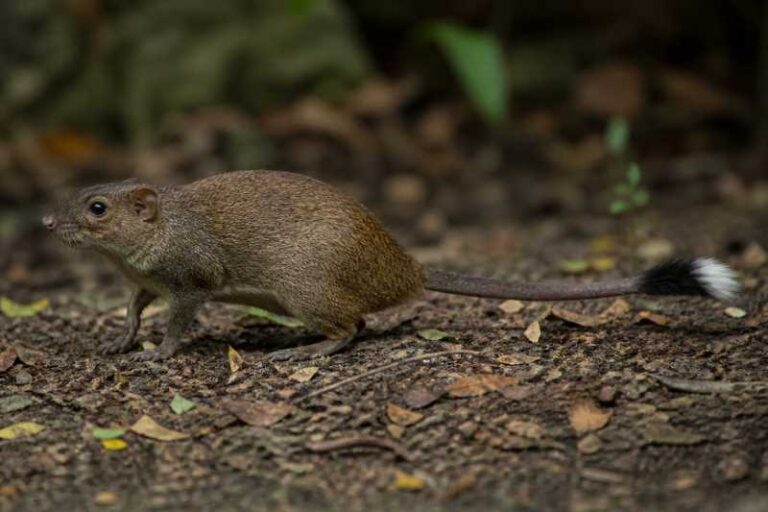
Nagtglas’s African Dormouse is a small mammal, typically measuring between 10 to 15 centimeters in length, with an additional tail length of about 7 to 10 centimeters. It has a compact, rounded body covered in soft, dense fur that ranges from gray to brown, providing excellent camouflage in its natural habitat. The dormouse’s large, dark eyes are adapted for its nocturnal lifestyle, and its prominent ears are sensitive to the slightest sounds, aiding in predator detection and navigation through dense foliage. The tail is bushy and serves as a balancing tool and additional camouflage.
Range and Habitat
Graphiurus nagtglasii is predominantly found in Central and West Africa, inhabiting countries such as Nigeria, Cameroon, and the Central African Republic. It thrives in tropical and subtropical forests, where it occupies the understory and canopy layers. This dormouse is particularly adapted to arboreal living, often found nesting in tree cavities, foliage, and occasionally in man-made structures. Its habitat preference is closely tied to the availability of food sources and adequate cover from predators.
Behavior and Diet
Nagtglas’s African Dormouse is primarily nocturnal, spending daylight hours hidden away in nests constructed from leaves and twigs. It is an agile climber, capable of leaping between branches with remarkable dexterity. This dormouse is also known for its hibernating behavior, where it enters a state of torpor during colder months to conserve energy.
The diet of Graphiurus nagtglasii is omnivorous, consisting mainly of fruits, seeds, insects, and small invertebrates. Its feeding habits play a crucial role in seed dispersion, contributing to the ecological balance of its habitat.
Identification Tips
Identifying Nagtglas’s African Dormouse in the field requires keen observation of several key features:
- Size and Shape: Look for a small, compact rodent with a bushy tail.
- Fur Coloration: Note the gray to brown fur that blends seamlessly with its environment.
- Eye and Ear Size: Large eyes and ears, adapted for nocturnal activity, are distinctive.
- Behavior: Observe nocturnal activity and arboreal movement patterns.
- Vocalizations: Listen for the dormouse’s soft chirping calls, often heard during night excursions.
Conservation Status
Currently, the Nagtglas’s African Dormouse is classified as "Least Concern" by the International Union for Conservation of Nature (IUCN). However, it faces several threats that could impact its populations in the future. Habitat destruction due to logging, agricultural expansion, and urban development is the primary threat. Additionally, climate change poses a long-term risk by altering the dormouse’s habitat and food sources.
Protection measures include habitat preservation and environmental education to raise awareness about the species and its ecological role. Conservationists emphasize the importance of sustainable forestry practices to ensure the dormouse’s continued survival.
Frequently Asked Questions
How can I spot a Nagtglas’s African Dormouse in the wild? Spotting this elusive dormouse requires patience and a good eye for detail. Focus on arboreal areas, especially at night, and listen for distinctive rustling or chirping sounds.
What do Nagtglas’s African Dormice eat? These dormice have an omnivorous diet, consuming a variety of fruits, seeds, insects, and small invertebrates, playing a vital role in forest ecology.
Are Nagtglas’s African Dormice endangered? Currently, they are not endangered, classified as "Least Concern," but they face potential threats from habitat destruction and climate change.
What adaptations help Nagtglas’s African Dormouse survive? Key adaptations include nocturnal habits, excellent climbing abilities, and a bushy tail for balance and camouflage, all crucial for survival in forest habitats.
Related posts