Ontong Java Flying Fox (Pteropus howensis)
Introduction
The Ontong Java Flying Fox, scientifically known as Pteropus howensis, is a remarkable mammalian species that is part of the Pteropodidae family. These large fruit bats are an integral component of the ecosystem on the Ontong Java Atoll in the Solomon Islands, where they play a vital role in seed dispersal and pollination. Despite their ecological importance, the Ontong Java Flying Fox faces several threats that have led to concerns about its conservation status. This comprehensive article will delve into the various aspects of this fascinating species, including its physical characteristics, habitat, behavior, and the conservation challenges it encounters.
Physical Description
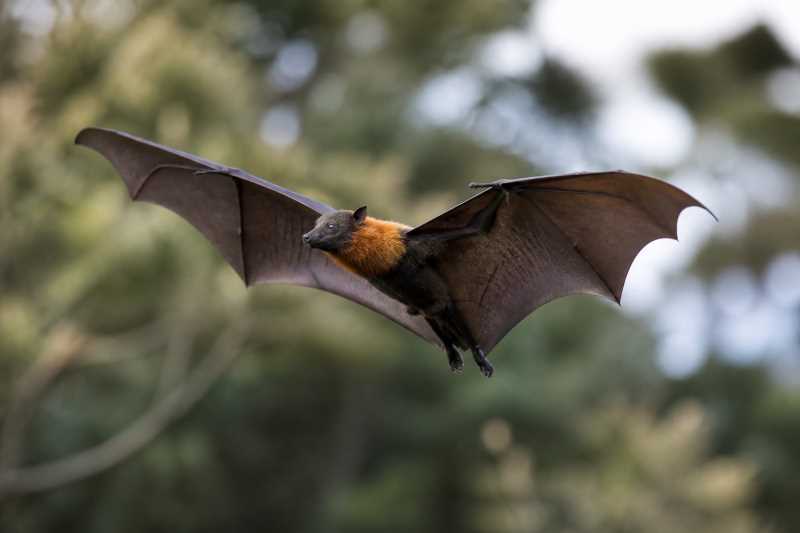
The Ontong Java Flying Fox is a large bat, easily recognizable by its robust build and impressive wingspan. Adults typically weigh between 600 and 800 grams and have a wingspan ranging from 1.2 to 1.5 meters. Their fur is a striking combination of dark brown and orange hues, with a golden-brown mantle encircling their necks, giving them a distinctive appearance.
Their long, pointed wings are adapted for sustained flight, allowing them to cover significant distances in search of food. The face of the Ontong Java Flying Fox resembles that of a small fox, with a pointed snout, large eyes, and rounded ears, which contribute to their keen sense of vision and hearing—essential for navigating their nocturnal lifestyle.
Range and Habitat
As their name suggests, the Ontong Java Flying Fox is predominantly found on the Ontong Java Atoll in the Solomon Islands. This atoll is part of a remote and extensive coral reef system, providing a unique and secluded habitat for various species, including the flying fox. The bats inhabit both primary and secondary forest areas, as well as coconut plantations and mangroves.
Their dependency on specific habitats makes them vulnerable to habitat destruction. The forests and plantations provide them with roosting sites and an abundance of fruiting trees that form the core of their diet. The loss of these habitats due to logging and agricultural expansion poses a significant threat to their survival.
Behavior and Diet
Ontong Java Flying Foxes are primarily frugivorous, with a diet that predominantly consists of fruit. They play a crucial role in their ecosystem by aiding in seed dispersal and pollination. Their diet includes a variety of fruits, such as figs, mangoes, bananas, and coconuts. These bats are known to travel considerable distances to locate food sources, often forming large feeding groups.
These nocturnal creatures typically roost in large colonies during the day, hanging upside down from tree branches to rest. At dusk, they become active, taking to the skies in search of food. Their keen sense of smell and excellent night vision facilitate their foraging activities.
Identification Tips
Identifying the Ontong Java Flying Fox in the field requires attention to several key characteristics:
- Size and Wingspan: Look for a large bat with a wingspan between 1.2 to 1.5 meters.
- Coloration: Note the dark brown and orange fur, with a distinctive golden-brown mantle.
- Facial Features: Observe the fox-like face with a pointed snout and large, dark eyes.
- Roosting Behavior: During the day, they roost in large groups in tall trees.
- Flight Pattern: Their flight is strong and direct, often in large groups at dusk.
Conservation Status
The Ontong Java Flying Fox is currently classified as Vulnerable by the International Union for Conservation of Nature (IUCN). The primary threats to their survival include habitat destruction, hunting, and climate change.
Threats
- Habitat Loss: Deforestation for agriculture and logging has significantly reduced available roosting and feeding sites.
- Hunting: They are hunted for their meat, which is considered a delicacy in some local cultures.
- Climate Change: Rising sea levels and increased storm frequency threaten their limited habitat on the atoll.
Protections
Efforts to conserve the Ontong Java Flying Fox include:
- Protected Areas: Establishing protected zones in critical habitats to ensure safe roosting and feeding grounds.
- Community Engagement: Educating local communities about the ecological importance of flying foxes and promoting sustainable hunting practices.
- Research and Monitoring: Conducting studies to better understand population dynamics and threats to inform conservation strategies.
Frequently Asked Questions
What do Ontong Java Flying Foxes eat?
Ontong Java Flying Foxes primarily feed on a variety of fruits. Their diet includes figs, mangoes, bananas, and coconuts, which they locate using their keen sense of smell and night vision.
Where can I find the Ontong Java Flying Fox?
The Ontong Java Flying Fox is endemic to the Ontong Java Atoll in the Solomon Islands. They inhabit primary and secondary forests, coconut plantations, and mangroves.
How do Ontong Java Flying Foxes contribute to their ecosystem?
These bats are essential for seed dispersal and pollination. By feeding on fruits and traveling long distances, they help spread seeds, contributing to forest regeneration and biodiversity.
What are the main threats to the Ontong Java Flying Fox?
The major threats include habitat destruction due to deforestation, hunting for their meat, and climate change impacts such as rising sea levels and increased storm frequency.
How can we help protect the Ontong Java Flying Fox?
Supporting conservation efforts, advocating for habitat protection, and educating communities about sustainable practices are crucial steps in protecting this species.
Related posts