Introduction
The Bururi Mouse Shrew, scientifically known as Myosorex bururiensis, is a small, elusive mammal that plays an intriguing role in the diverse ecosystems of Central Africa. Belonging to the family Soricidae, this tiny creature has garnered the attention of biologists and conservationists due to its limited range and unique ecological niche. The Bururi Mouse Shrew was first described in 2007, making it a relatively recent discovery in the world of mammalogy. Its discovery has shed light on the rich biodiversity that remains to be explored and understood in Africa’s montane regions.
In this comprehensive article, we delve into the various aspects of the Bururi Mouse Shrew, including its physical characteristics, habitat preferences, behavior, diet, and the challenges it faces in terms of conservation. Our aim is to provide a detailed overview of this species, offering insights into its life and the role it plays in its environment.
Physical Description
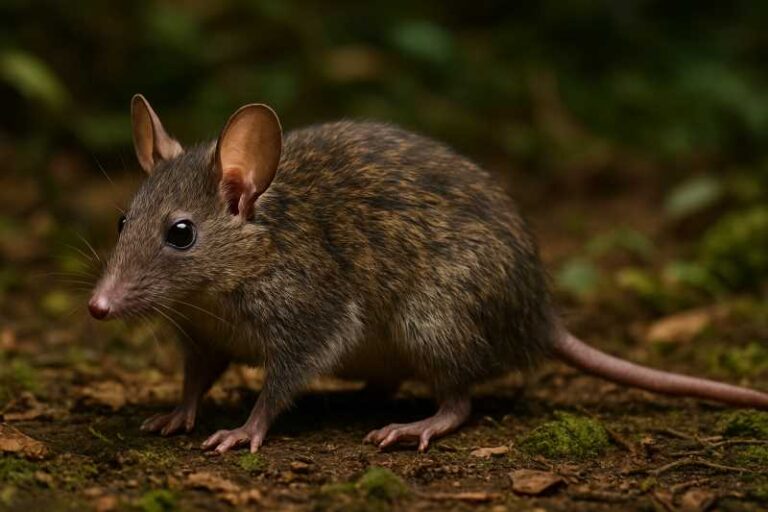
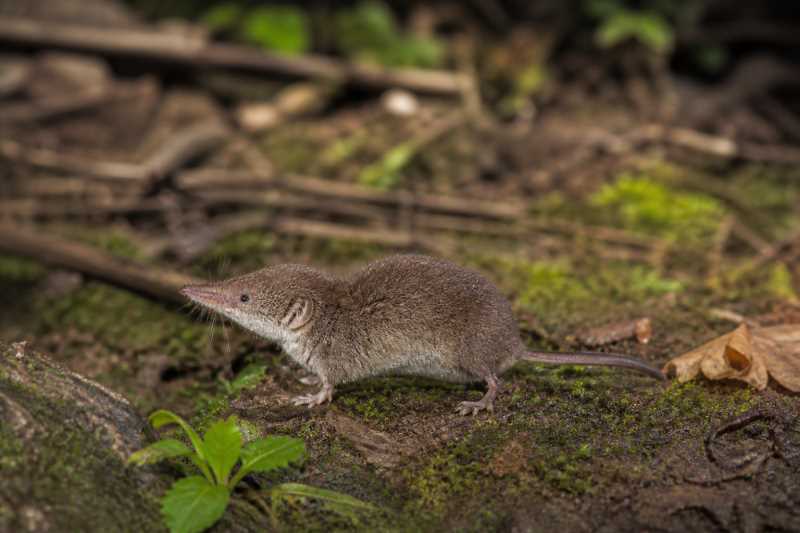
The Bururi Mouse Shrew is a small mammal, with adults typically reaching a total length of about 10 to 12 centimeters, including the tail. It is characterized by its diminutive size and mouse-like appearance, which is a common trait among species in the genus Myosorex. The body is covered in dense, velvety fur that is predominantly grayish-brown, providing effective camouflage against the forest floor.
One of the distinct features of the Bururi Mouse Shrew is its elongated snout, which is highly sensitive and adapted for probing the leaf litter in search of food. Its limbs are short, but well-suited for digging and maneuvering through its forest habitat. The tail, although relatively short compared to the body, is covered with fine hair and aids in balance.
Range and Habitat
The Bururi Mouse Shrew is endemic to the Bururi Forest Nature Reserve in Burundi, Central Africa. This small geographic range makes it one of the region’s more vulnerable species. The reserve is part of the Albertine Rift montane forests, an area known for its high biodiversity and endemic species.
The preferred habitat of the Bururi Mouse Shrew includes dense montane forests at elevations ranging from 1,700 to 2,000 meters above sea level. These forests provide a moist, cool environment with abundant leaf litter and undergrowth, which are crucial for the shrew’s survival. The dense vegetation offers cover from predators and supports a rich supply of invertebrates, the primary diet of the Bururi Mouse Shrew.
Behavior and Diet
The Bururi Mouse Shrew is a solitary and nocturnal creature, primarily active during the night when it forages for food. Its diet consists mainly of invertebrates such as insects, worms, and other small arthropods. The elongated snout and acute sense of smell enable it to detect prey hidden under leaves and soil.
Behaviorally, the Bururi Mouse Shrew is known for its secretive nature, spending much of its time hidden beneath the forest floor’s debris. This behavior not only aids in avoiding predators but also facilitates its feeding habits. The shrew uses its forelimbs to dig and uncover food, and its sharp teeth to seize and consume prey.
Reproductive behavior in the Bururi Mouse Shrew is not well-documented, but as with many small mammals, it is likely to have multiple breeding seasons each year, with females giving birth to several young per litter.
Identification Tips (Field Recognition Cues)
Identifying the Bururi Mouse Shrew in the field can be challenging due to its small size and elusive nature. However, several characteristics can aid in its recognition:
- Size and Shape: Look for a small, mouse-sized mammal with a compact body.
- Fur: Note the dense, grayish-brown fur that blends well with the forest floor.
- Snout: Observe the elongated, pointed snout, which is distinctive of shrews.
- Behavior: The shrew is more likely to be seen at night, foraging for invertebrates.
- Habitat: Focus on montane forest areas with abundant leaf litter and undergrowth.
Conservation Status (with Threats and Protections)
The Bururi Mouse Shrew is classified as "Data Deficient" by the International Union for Conservation of Nature (IUCN) due to the lack of comprehensive data on its population size and trends. However, its limited range within the Bururi Forest Nature Reserve makes it susceptible to habitat loss.
Threats
- Deforestation: Agricultural expansion and illegal logging pose significant threats to its montane forest habitat.
- Climate Change: Changes in temperature and precipitation patterns could alter the shrew’s habitat, affecting its survival.
- Human Encroachment: Increased human activity in the region could lead to habitat degradation and pollution.
Protections
- Protected Area: The Bururi Forest Nature Reserve offers some level of protection against habitat destruction.
- Conservation Efforts: Ongoing research and conservation initiatives aim to better understand and protect this species.
Frequently Asked Questions
What is the Bururi Mouse Shrew’s primary diet?
The Bururi Mouse Shrew primarily feeds on invertebrates such as insects and worms, relying on its keen sense of smell to locate prey.
Where can the Bururi Mouse Shrew be found?
This species is endemic to the Bururi Forest Nature Reserve in Burundi, located in Central Africa’s Albertine Rift montane forests.
What are the major threats to the Bururi Mouse Shrew?
The major threats include habitat loss due to deforestation, climate change, and human encroachment, all of which impact its restricted montane forest habitat.
How can the Bururi Mouse Shrew be identified in the wild?
Identification involves looking for a small, mouse-sized mammal with grayish-brown fur, an elongated snout, and nocturnal behavior in montane forests.
Is the Bururi Mouse Shrew endangered?
Currently, it is classified as "Data Deficient" by the IUCN due to insufficient data on its population, though it faces significant threats due to its limited range.
Related posts