Introduction
The Barbary Striped Grass Mouse, scientifically known as Lemniscomys barbarus, is a captivating rodent species that inhabits the grasslands and savannas of North Africa. Known for its striking striped fur, this small mammal is an integral part of its ecosystem, playing a crucial role in the food chain. Despite its relatively small size, the Barbary Striped Grass Mouse has adapted to survive in a variety of environmental conditions, showcasing remarkable resilience and adaptability.
In this article, we will explore the fascinating world of the Barbary Striped Grass Mouse, covering various aspects such as its physical characteristics, habitat, behavior, diet, and conservation status. Additionally, we will provide identification tips for those interested in observing this species in the wild and address some frequently asked questions about this intriguing mammal.
Physical Description
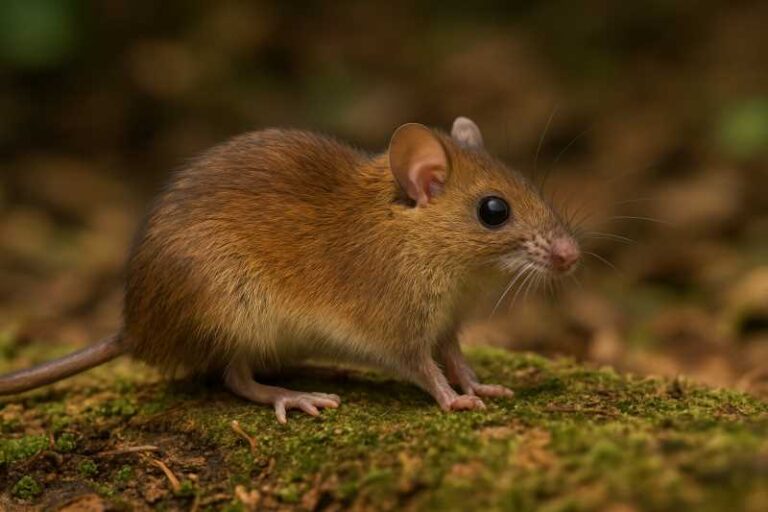
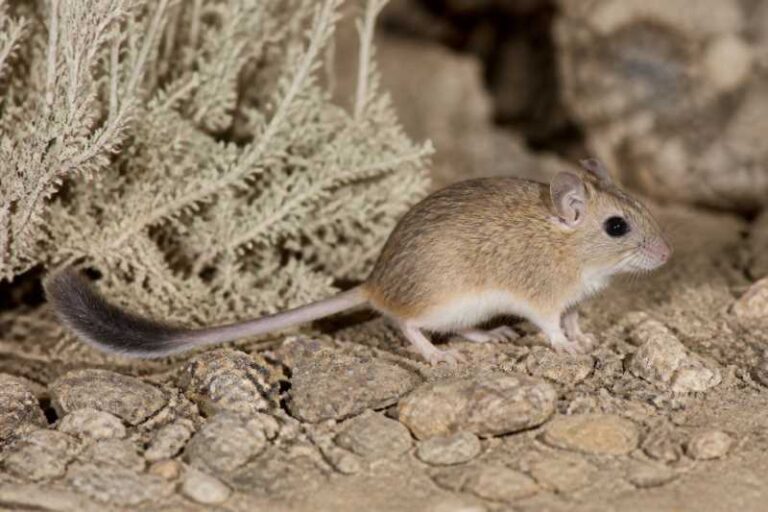
The Barbary Striped Grass Mouse is a small rodent, typically measuring between 10 to 15 centimeters in body length, with an additional 10 to 12 centimeters of tail. One of the most distinctive features of this species is its striking fur pattern. The mouse is adorned with longitudinal stripes running from its head to the base of its tail, giving it a unique appearance. These stripes are usually dark brown or black, contrasting sharply against the lighter background color, which can range from yellowish-brown to gray.
Its fur is dense and soft, providing insulation against the varying temperatures of its habitat. The underside of the mouse is generally lighter, often white or pale gray, a common trait among many rodent species. The ears of the Barbary Striped Grass Mouse are relatively large, aiding in its acute sense of hearing, which is vital for detecting predators.
Range and Habitat
The Barbary Striped Grass Mouse is predominantly found in the grasslands and savannas of North Africa. Its range extends across several countries, including Morocco, Algeria, Tunisia, and parts of Libya. This species thrives in open, grassy areas where vegetation provides both food and cover from predators.
The mouse is highly adaptable and can also be found in agricultural fields, gardens, and areas with sparse shrubbery. It prefers habitats with ample ground cover, as this offers protection from aerial and terrestrial predators. The adaptability of the Barbary Striped Grass Mouse to different environments is one of the reasons for its widespread distribution across the region.
Behavior and Diet
The Barbary Striped Grass Mouse is primarily diurnal, meaning it is active during the day. This behavior is somewhat unusual among rodents, many of which are nocturnal. During the day, the mouse can often be seen foraging for food or basking in the sun.
Its diet is mainly herbivorous, consisting of a variety of plant materials such as seeds, grasses, and leaves. However, the Barbary Striped Grass Mouse is also known to consume small insects and other invertebrates, making it an opportunistic feeder. This diverse diet allows it to adapt to the availability of resources, which can fluctuate with the seasons.
Socially, the Barbary Striped Grass Mouse is known to be a solitary animal, although it may form loose associations with others during the breeding season or when food resources are abundant.
Identification Tips
Identifying the Barbary Striped Grass Mouse in the wild requires careful observation of its physical and behavioral traits. Here are some key identification tips:
- Stripes: Look for the distinctive longitudinal stripes on its back, which are the most prominent identification feature.
- Size and Shape: Note the small size and elongated body typical of grass mice.
- Activity Patterns: Observe the mouse during daylight hours, as it is primarily diurnal.
- Habitat: Check grassy or open areas where the vegetation is dense enough to provide cover.
- Behavior: Watch for its characteristic foraging behavior and quick, darting movements.
Conservation Status
Currently, the Barbary Striped Grass Mouse is classified as "Least Concern" by the International Union for Conservation of Nature (IUCN). This status indicates that the species is not at immediate risk of extinction. However, like many other wildlife species, the Barbary Striped Grass Mouse faces several threats that could impact its population in the future.
Threats:
- Habitat Loss: Urbanization and agricultural expansion are leading to the destruction of its natural habitat.
- Predation: Natural predators such as birds of prey, snakes, and small carnivores pose a constant threat.
- Climate Change: Changes in climate patterns may affect the availability of food resources and suitable habitats.
Protections:
Efforts to conserve the Barbary Striped Grass Mouse focus on habitat preservation and monitoring population trends. Protected areas and national parks in North Africa play a crucial role in safeguarding the natural habitats of this species.
Frequently Asked Questions
- What is the lifespan of a Barbary Striped Grass Mouse?
The Barbary Striped Grass Mouse typically has a lifespan of 2 to 3 years in the wild. However, this can vary depending on environmental conditions and predation pressures.
- How does the Barbary Striped Grass Mouse contribute to its ecosystem?
This mouse plays a vital role in its ecosystem by helping to disperse seeds and acting as a prey species for various predators. Its foraging activities also aid in soil aeration.
- Are Barbary Striped Grass Mice social animals?
Barbary Striped Grass Mice are generally solitary, but they may form temporary associations during the breeding season or when food is abundant.
- What adaptations help the Barbary Striped Grass Mouse survive?
The Barbary Striped Grass Mouse has several adaptations, including its striped camouflage, acute hearing, and a flexible diet, all of which aid in its survival in diverse environments.
- Can the Barbary Striped Grass Mouse be kept as a pet?
While some people may consider keeping them as pets, the Barbary Striped Grass Mouse is a wild animal, and it is recommended to observe them in their natural habitat to ensure their well-being and ecological role.
Related posts