Introduction
The Black-horned Capuchin, scientifically known as Sapajus nigritus, is a fascinating primate species native to the South American rainforests. Known for their intelligence and adaptability, these capuchins are a significant part of the ecosystem they inhabit. This article delves into the various facets of the Black-horned Capuchin, from their physical characteristics to their behaviors, habitat, and conservation status. Understanding these aspects is crucial for appreciating their role in biodiversity and the challenges they face in their natural habitat.
Physical Description
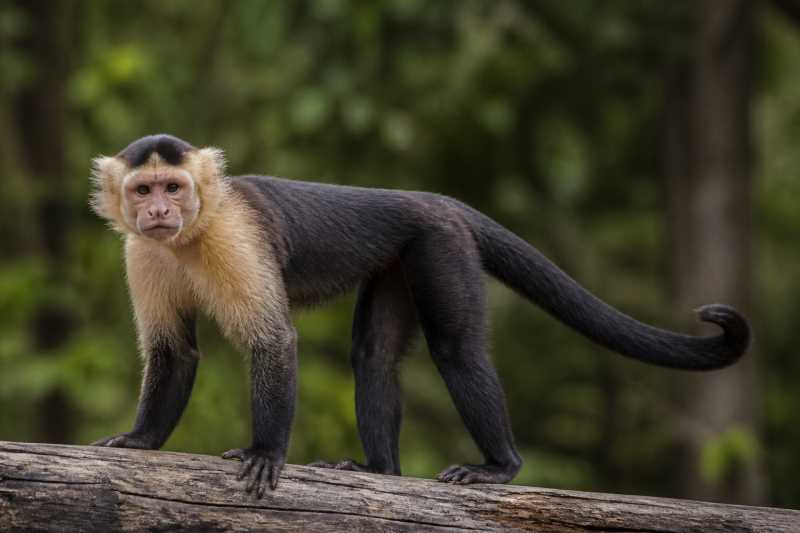
The Black-horned Capuchin is distinguished by its robust build and prominent features. Adults typically weigh between 2 to 4 kilograms, with males generally larger than females. Their fur is predominantly dark brown to black, with a distinctive black cap on their heads, giving them their name. The "horns" refer to the tufts of hair above their eyes, which can appear to form small horn-like shapes, adding to their unique appearance.
Their limbs are well-adapted for climbing, with strong hands and feet equipped with opposable thumbs and toes, enabling them to grasp branches securely. The tail of the Black-horned Capuchin is prehensile, which means it can be used to grasp or hold objects, an essential trait for an arboreal lifestyle.
Range and Habitat
Black-horned Capuchins primarily inhabit the Atlantic Forest of southeastern Brazil, extending into parts of Argentina and Paraguay. This region is characterized by its high biodiversity and dense forest cover, providing an ideal environment for these arboreal creatures.
These capuchins prefer areas with abundant fruit trees, as their diet heavily depends on fruit availability. They are often found in both primary and secondary forests, demonstrating their adaptability to different environmental conditions, although they are more prevalent in undisturbed habitats.
Behavior and Diet
Black-horned Capuchins are highly social animals, living in groups that range from 8 to 15 individuals. These groups are typically composed of multiple males and females, along with their offspring. Social structure within the group is complex, with a hierarchy that influences access to resources and mating opportunities.
Their diet is omnivorous, primarily consisting of fruits, nuts, seeds, insects, and occasionally small vertebrates. They are known for their tool use, an indication of their intelligence, using sticks or stones to crack open hard nuts or to probe for insects.
Identification Tips
Field recognition of the Black-horned Capuchin can be aided by several distinct features:
- Coloration: Look for the dark brown to black fur and the characteristic black cap with "horns".
- Behavior: Notice their social behavior and tool use, often seen manipulating objects or foraging in groups.
- Vocalizations: Listen for their vocal calls, which are used for communication within the group and can be quite distinctive.
- Size and Shape: Observe their robust build and prehensile tail, which is often used for balance and grasping.
Conservation Status
The conservation status of the Black-horned Capuchin is currently listed as Near Threatened on the IUCN Red List. The primary threats to their survival include habitat loss due to deforestation, agricultural expansion, and urban development. These activities lead to fragmentation of their natural habitats, making it difficult for them to maintain viable populations.
Conservation efforts are in place to address these challenges, focusing on habitat protection and restoration. Protected areas within their range, such as national parks, play a vital role in safeguarding their habitats. Additionally, initiatives to promote sustainable land-use practices help mitigate some of the pressures on their environment.
Frequently Asked Questions
What is the primary diet of the Black-horned Capuchin?
The Black-horned Capuchin primarily feeds on fruits, nuts, seeds, and insects. They are opportunistic feeders and will also consume small vertebrates and use tools to access food.
How do Black-horned Capuchins communicate within their group?
Communication among Black-horned Capuchins involves a range of vocalizations, facial expressions, and body postures. These methods are used to maintain social bonds, alert others of predators, and coordinate group movements.
What are the main threats faced by Black-horned Capuchins?
The main threats include habitat destruction due to deforestation, agricultural expansion, and urbanization. These activities lead to habitat fragmentation, which poses a significant risk to their survival.
Are Black-horned Capuchins known for using tools?
Yes, Black-horned Capuchins are known for their tool use. They use sticks and stones to access food, such as cracking open nuts or probing for insects, showcasing their cognitive abilities.
Where can I observe Black-horned Capuchins in the wild?
Black-horned Capuchins can be observed in the Atlantic Forest regions of Brazil, Argentina, and Paraguay, particularly in protected areas and national parks where their habitats are preserved.
Related posts