Three-striped Ground Squirrel (Lariscus insignis): A Comprehensive Guide
Introduction
The Three-striped Ground Squirrel, scientifically known as Lariscus insignis, is a captivating small mammal that inhabits the dense forests of Southeast Asia. This terrestrial squirrel is not only recognized for its distinctive stripes but also for its unique adaptations and behaviors that allow it to thrive in its specific ecological niche. Despite its relatively obscure status in the global wildlife community, the Three-striped Ground Squirrel plays a vital role in its ecosystem. This article delves into the various aspects of this intriguing species, including its physical characteristics, habitat preferences, dietary habits, and conservation status.
Physical Description
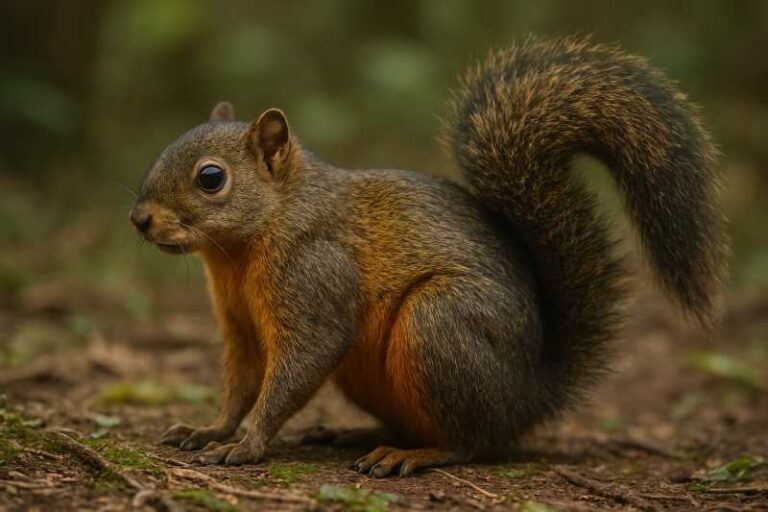
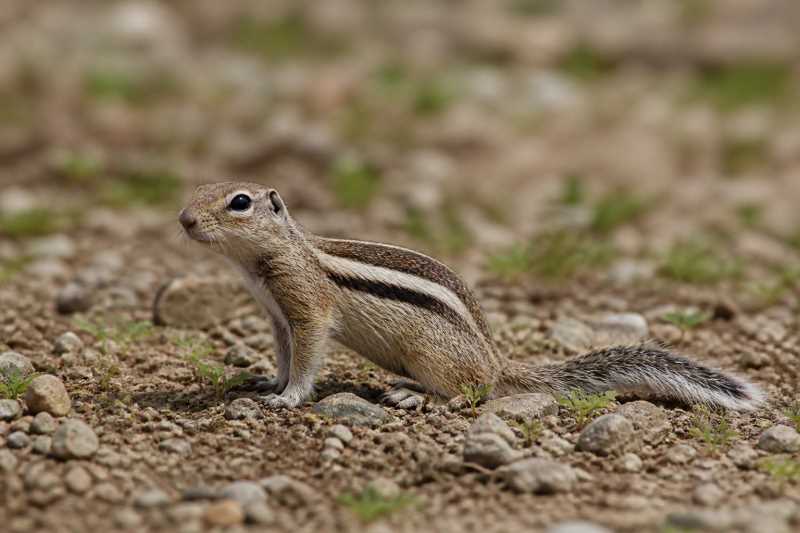
The Three-striped Ground Squirrel is a small to medium-sized rodent with a body length ranging from 20 to 25 centimeters, excluding its tail, which measures an additional 15 to 20 centimeters. The most striking feature of this squirrel is its fur pattern. As its name suggests, the squirrel sports three distinctive dark brown to black stripes running longitudinally along its back. These stripes are contrasted by a lighter brown or grayish base coat, providing effective camouflage against the forest floor.
The squirrel’s head is rounded with small, rounded ears and large, expressive eyes that aid in its keen sense of sight. Its limbs are short but robust, equipped with sharp claws that are crucial for digging and climbing. The tail, bushy and vibrant, is often used for balance and communication.
Range and Habitat
The Three-striped Ground Squirrel is native to Southeast Asia, with its range extending across several countries including Thailand, Malaysia, Indonesia, and parts of Vietnam. It predominantly inhabits tropical and subtropical lowland forests, preferring areas with dense vegetation and plenty of ground cover.
These squirrels are often found in primary forests, which are undisturbed by human activities, but they can also adapt to secondary forests and, occasionally, plantations. The dense undergrowth and abundant leaf litter in these habitats provide the perfect environment for foraging and nesting.
Behavior and Diet
Lariscus insignis is a diurnal creature, meaning it is most active during the day. This species is primarily ground-dwelling, although it can climb trees when necessary. The Three-striped Ground Squirrel is known for its solitary nature, with individuals maintaining and defending their own territories.
Their diet mainly consists of seeds, fruits, and nuts, which they forage from the forest floor. Occasionally, they may consume insects or small invertebrates. The squirrels play a crucial role in seed dispersal, aiding in forest regeneration.
Identification Tips (Field Recognition Cues)
Identifying the Three-striped Ground Squirrel in the wild requires careful observation of several key features:
- Stripes: Look for the characteristic three dark stripes running along the back, which are the most distinguishing feature.
- Size and Shape: Note the medium-sized body with a bushy tail and rounded ears.
- Habitat: These squirrels are usually found on the forest floor in tropical and subtropical regions.
- Behavior: Observe the ground-dwelling behavior and solitary nature, often seen foraging alone during daylight hours.
Conservation Status (with Threats and Protections)
The IUCN Red List currently classifies the Three-striped Ground Squirrel as a species of Least Concern. However, like many forest-dependent species, it faces threats from habitat loss due to deforestation and agricultural expansion. Illegal hunting and capture for the pet trade also pose significant risks.
Conservation efforts are focused on habitat protection and restoration. Protected areas and national parks in Southeast Asia play a crucial role in safeguarding the natural habitats of these squirrels. Additionally, raising awareness and enforcing wildlife protection laws are vital for their continued survival.
Frequently Asked Questions
What is the Three-striped Ground Squirrel’s scientific name?
The scientific name of the Three-striped Ground Squirrel is Lariscus insignis.
Where can Three-striped Ground Squirrels be found?
They are native to Southeast Asia, primarily found in countries like Thailand, Malaysia, Indonesia, and Vietnam, inhabiting tropical and subtropical forests.
What do Three-striped Ground Squirrels eat?
Their diet consists mainly of seeds, fruits, and nuts, with occasional consumption of insects and small invertebrates.
How can you identify a Three-striped Ground Squirrel?
Look for the three distinctive dark stripes on its back, medium size, bushy tail, and its presence in forested habitats.
Are Three-striped Ground Squirrels endangered?
Currently, they are classified as Least Concern, but they face threats from habitat destruction and the pet trade.
Related posts