New Ireland Masked Flying Fox: A Comprehensive Guide
Introduction
The New Ireland Masked Flying Fox (Pteropus ennisae) is a fascinating member of the Chiroptera order, specifically belonging to the Pteropodidae family, commonly known as fruit bats or flying foxes. Unique to the New Ireland region of Papua New Guinea, this species is an integral component of the local ecosystem, playing a crucial role in seed dispersal and maintaining the health of tropical forests. Despite its ecological importance, little is known about this elusive mammal, making it a subject of interest for conservationists and researchers alike.
Physical Description
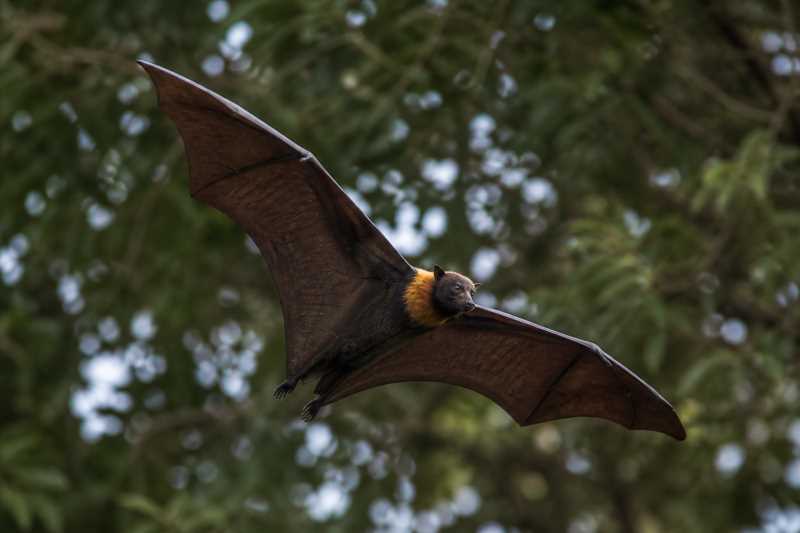
The New Ireland Masked Flying Fox is distinguishable by its striking facial markings, which give it the appearance of wearing a mask, hence its name. It possesses a robust body typical of the Pteropus genus, with a wingspan that can extend up to 1.2 meters, facilitating its adept flying abilities. The species exhibits sexual dimorphism, with males generally larger than females. The fur is typically a rich brown color, providing excellent camouflage in its forest habitat.
The facial "mask" consists of lighter fur around the eyes and muzzle, contrasting with the darker fur on the rest of the body. Its eyes are large and adapted for nocturnal activity, allowing it to navigate and forage in low-light conditions. The New Ireland Masked Flying Fox also has a keen sense of smell, aiding in locating ripe fruit, its primary food source.
Range and Habitat
Endemic to the New Ireland province of Papua New Guinea, the New Ireland Masked Flying Fox is primarily found in lowland and montane tropical forests. These environments provide a rich supply of fruiting trees, which are essential for the bat’s diet. The species is adapted to a range of forest types, from dense primary forests to secondary growth areas, although its preference leans towards undisturbed, mature forests.
The geographical range of this flying fox is limited, contributing to its vulnerability. Habitat fragmentation and deforestation in New Ireland pose significant threats to its survival, as these practices reduce available food sources and suitable roosting sites.
Behavior and Diet
The New Ireland Masked Flying Fox is primarily frugivorous, feeding on a variety of fruits, flowers, and nectar. This diet not only provides nutritional sustenance but also makes the flying fox an important pollinator and seed disperser in its ecosystem. By consuming fruits and transporting seeds across large distances, it facilitates forest regeneration and biodiversity.
These bats are nocturnal, emerging at dusk to forage for food. They exhibit social behavior, often roosting in colonies that can range from a few individuals to several hundred. Communication within these colonies is maintained through a series of vocalizations, which are essential for maintaining social bonds and coordination during foraging.
Identification Tips
Identifying the New Ireland Masked Flying Fox in the field requires attention to specific features:
- Distinctive Facial Markings: Look for the characteristic "masked" appearance, with lighter fur around the eyes and muzzle.
- Size and Wingspan: Note the large size and wingspan, which are typical of the species.
- Habitat Choice: These bats are found in tropical forests, particularly in the New Ireland region.
- Social Roosting: Observe their social behavior, as they often roost in colonies.
- Nocturnal Activity: They are most active at dusk and during the night.
Conservation Status
The New Ireland Masked Flying Fox is currently listed as "Vulnerable" on the IUCN Red List. The primary threats to this species are habitat loss due to logging and agricultural expansion, and hunting for bushmeat. As their forest habitats are cleared or degraded, the bats lose both roosting sites and food sources, leading to population declines.
Conservation efforts are focused on habitat protection and restoration, as well as raising awareness about the ecological role of flying foxes. Legal protections are in place in some areas, but enforcement is often limited. Conservationists are advocating for more comprehensive measures, including the establishment of protected areas and sustainable land-use practices.
Frequently Asked Questions
1. What does the New Ireland Masked Flying Fox eat?
The New Ireland Masked Flying Fox primarily feeds on fruits, flowers, and nectar. It plays a crucial role in pollination and seed dispersal, contributing to the health of tropical forests.
2. Why is the New Ireland Masked Flying Fox endangered?
The species is considered vulnerable due to habitat loss from deforestation and agricultural expansion, as well as hunting pressures. Conservation efforts focus on habitat protection and raising awareness.
3. How can I identify a New Ireland Masked Flying Fox in the wild?
Look for its distinctive "masked" facial markings, large size, and social roosting behavior in tropical forests. They’re most active at dusk and during the night.
4. What is the role of the New Ireland Masked Flying Fox in its ecosystem?
These bats are vital for pollination and seed dispersal, helping maintain the biodiversity and health of tropical forest ecosystems.
5. Are there any conservation programs for the New Ireland Masked Flying Fox?
Yes, there are efforts focused on habitat protection, legal enforcement, and community education to promote sustainable practices and protect this species.
Related posts