Introduction
Taczanowski’s Oldfield Mouse, scientifically known as Thomasomys taczanowskii, is a lesser-known but fascinating rodent species native to South America. This small mammal is part of the Cricetidae family, which includes a diverse group of rodents such as voles, lemmings, and hamsters. Named after the Polish zoologist Władysław Taczanowski, this species has garnered interest among researchers and naturalists due to its unique adaptations and ecological niche.
Taczanowski’s Oldfield Mouse plays a crucial role in its ecosystem, participating in seed dispersal and serving as prey for various predators. Despite its significance, this species remains relatively obscure to the general public. In this article, we delve into the physical characteristics, habitat, behavior, and conservation status of Taczanowski’s Oldfield Mouse, providing a comprehensive overview of this intriguing mammal.
Physical Description
Taczanowski’s Oldfield Mouse is a small rodent characterized by its soft fur and agile movements. Adults typically measure between 9 to 13 centimeters in body length, excluding the tail, which can add an additional 10 to 15 centimeters. The species exhibits sexual dimorphism, with males generally being slightly larger than females.
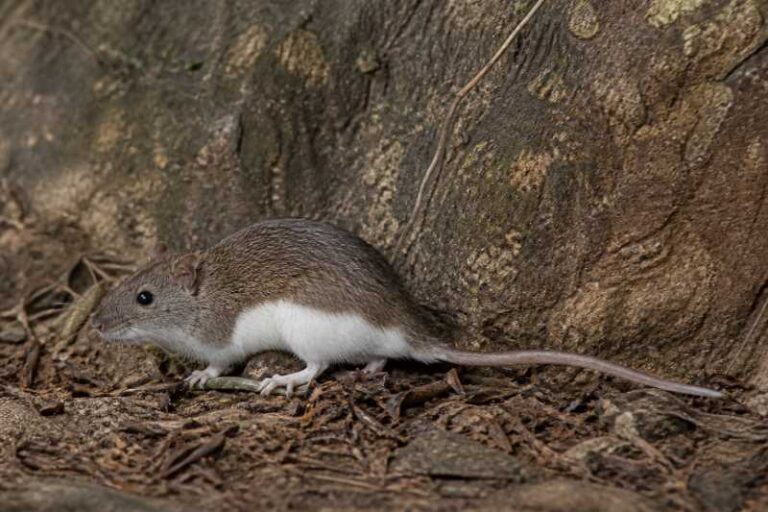
The fur of Taczanowski’s Oldfield Mouse is dense and soft, offering insulation against the chilly climates of its high-altitude habitats. The coloration is predominantly brown or grayish-brown on the dorsal side, with a lighter, cream-colored or whitish underside. This coloration provides effective camouflage against the forest floor and the rocky terrain it inhabits.
One of the distinctive features of this species is its large, rounded ears, which are well-adapted for detecting auditory signals in its environment. The eyes are also relatively large, suggesting a degree of nocturnal activity. The paws are equipped with sharp claws that facilitate climbing and foraging in the underbrush.
Range and Habitat
Taczanowski’s Oldfield Mouse is endemic to the Andean regions of South America, particularly in Peru and Ecuador. It is primarily found at elevations ranging from 2,000 to 4,000 meters above sea level. The species thrives in montane forests, cloud forests, and paramo ecosystems, where it has adapted to cooler temperatures and high humidity.
These mice prefer dense vegetation and areas with ample ground cover, which offer protection from predators and a rich supply of food. They are often found in areas with abundant leaf litter, fallen logs, and rocky outcrops that provide shelter and nesting sites. The varied topography and microclimates of the Andes contribute to the diverse habitats available to this species.
Behavior and Diet
Taczanowski’s Oldfield Mouse is primarily nocturnal, with most of its foraging and social activities occurring during the night. This behavior helps it avoid daytime predators and take advantage of cooler temperatures. The species is known for its agility and speed, which are essential for navigating its complex habitat.
The diet of Taczanowski’s Oldfield Mouse is omnivorous, consisting of seeds, fruits, insects, and small invertebrates. This varied diet allows it to adapt to seasonal changes in food availability. The mouse plays a significant role in seed dispersal, aiding in the regeneration and diversity of its forest habitat.
Socially, Taczanowski’s Oldfield Mouse is relatively solitary, although it may form loose family groups. Communication is likely facilitated through vocalizations, scent markings, and tactile interactions, although detailed studies on their social structures and communication methods are limited.
Identification Tips (Field Recognition Cues)
Identifying Taczanowski’s Oldfield Mouse in the field requires attention to several key characteristics:
- Size and Shape: Look for a small rodent with a body length of 9 to 13 cm, not including the tail. The tail is typically as long as or longer than the body.
- Fur Color: Observe the coloration; the dorsal side is brown or grayish-brown, while the ventral side is lighter.
- Ears and Eyes: Note the large, rounded ears and relatively large eyes, which are indicative of nocturnal habits.
- Habitat: Focus on montane and cloud forests at elevations between 2,000 and 4,000 meters.
- Behavior: Look for nocturnal activity patterns and agile movements through dense vegetation.
Conservation Status (With Threats and Protections)
As of the latest assessments, Taczanowski’s Oldfield Mouse is classified as a species of Least Concern by the International Union for Conservation of Nature (IUCN). However, this does not mean the species is free from threats. Habitat loss due to agricultural expansion, deforestation, and human encroachment poses significant risks to its populations.
Conservation efforts are essential to ensure the long-term survival of Taczanowski’s Oldfield Mouse. Protected areas within its range, such as national parks and reserves, offer some level of security. Continued research and monitoring are needed to understand population dynamics and address conservation challenges effectively.
Frequently Asked Questions
1. Where can I find Taczanowski’s Oldfield Mouse?
Taczanowski’s Oldfield Mouse is found in the Andean regions of Peru and Ecuador, particularly in montane and cloud forests at elevations of 2,000 to 4,000 meters.
2. What does Taczanowski’s Oldfield Mouse eat?
This species has an omnivorous diet, consuming seeds, fruits, insects, and small invertebrates, which allows it to adapt to various food sources.
3. How does Taczanowski’s Oldfield Mouse contribute to its ecosystem?
Taczanowski’s Oldfield Mouse plays a role in seed dispersal and serves as prey for predators, contributing to ecosystem health and biodiversity.
4. What are the main threats to Taczanowski’s Oldfield Mouse?
The primary threats include habitat loss due to deforestation, agricultural expansion, and human encroachment in its natural habitat.
5. Is Taczanowski’s Oldfield Mouse endangered?
Currently, Taczanowski’s Oldfield Mouse is not considered endangered, but habitat degradation remains a concern that could impact its populations in the future.
Related posts