Introduction
The Egyptian Pygmy White-toothed Shrew, scientifically known as Crocidura religiosa, is a fascinating species of mammal that belongs to the family Soricidae. Known for its small size and elusive nature, this shrew is one of the lesser-known inhabitants of the mammalian world. Despite its unassuming appearance, the Egyptian Pygmy White-toothed Shrew plays a significant role in its ecosystem, acting as both predator and prey. This article provides an in-depth look at this intriguing creature, exploring its physical characteristics, habitat, behavior, and the challenges it faces in the wild.
Physical Description
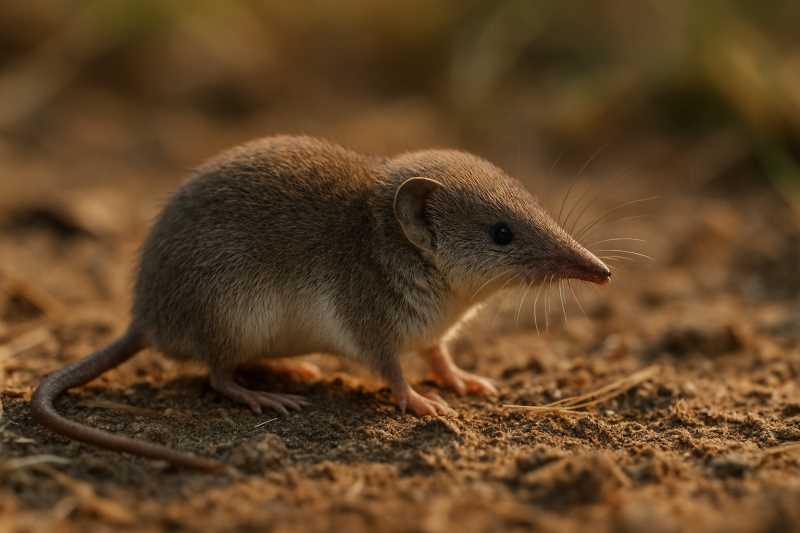
The Egyptian Pygmy White-toothed Shrew is a diminutive mammal, measuring approximately 4 to 8 centimeters in body length, with a tail that adds an additional 2 to 4 centimeters. Weighing between 3 to 7 grams, it is one of the smallest mammals in the world. Its fur is generally grey to brownish-grey, providing excellent camouflage against the forest floor and underbrush. The shrew’s most distinctive feature is its pointed snout, which houses sharp, white-tipped teeth—hence the name "white-toothed" shrew. Its eyes are relatively small, reflecting its reliance on other senses for hunting and navigation. The limbs are short but strong, allowing for quick movement through its environment.
Range and Habitat
Crocidura religiosa is primarily found in the northeastern regions of Africa, with a range that includes parts of Egypt, Sudan, and Libya. This species favors arid and semi-arid environments, often residing in scrublands, grasslands, and occasionally in the outskirts of human settlements. Its habitat selection is largely influenced by the availability of food and cover, which is crucial for protection against predators. The shrew is a ground-dweller, often seeking shelter under rocks, fallen logs, and dense vegetation. Its presence in these regions underscores the adaptability of the species to various environmental conditions, from dry deserts to more temperate zones.
Behavior and Diet
The Egyptian Pygmy White-toothed Shrew is primarily nocturnal, which means it is most active during the night. This nocturnal lifestyle helps it avoid many diurnal predators and take advantage of cooler nighttime temperatures in its often hot habitat. The shrew is solitary by nature, with individuals maintaining territories that they vigorously defend.
Its diet predominantly consists of insects and other small invertebrates, making it an important insectivore in its ecosystem. The shrew uses its acute sense of smell and hearing to locate prey, often detecting insects burrowing underground or hidden beneath the leaf litter. It has a high metabolic rate, necessitating frequent feeding to sustain its energy levels. Interestingly, the shrew’s hunting strategies include a rapid, darting movement to capture prey, a testament to its agility and speed.
Identification Tips
Field recognition of the Egyptian Pygmy White-toothed Shrew can be challenging due to its small size and elusive behavior. However, there are several cues that can aid identification:
- Size and Shape: Look for a very small, mouse-like creature with a slightly elongated snout.
- Fur Color: Its fur is typically grey to brownish-grey, blending well with its natural surroundings.
- Tail: The tail is relatively short compared to larger shrew species and is covered in fine hair.
- Activity Patterns: Listen for faint rustling sounds during nighttime hours, indicative of its foraging activity.
Conservation Status
The Egyptian Pygmy White-toothed Shrew is currently classified as "Least Concern" by the International Union for Conservation of Nature (IUCN). Despite this optimistic status, the species faces several threats, primarily habitat loss due to agricultural expansion and urbanization. Additionally, the use of pesticides in farming poses a risk by reducing the availability of insect prey and potentially causing direct harm through toxic exposure.
Conservation efforts for the shrew include habitat preservation and promoting sustainable agricultural practices that minimize pesticide use. Protected areas within its range offer some refuge, but ongoing monitoring of population trends and habitat health is essential to ensure the species’ continued survival.
Frequently Asked Questions
1. What do Egyptian Pygmy White-toothed Shrews eat? Egyptian Pygmy White-toothed Shrews primarily eat insects and other small invertebrates. Their diet includes beetles, worms, and larvae, which they hunt using their keen sense of smell and hearing.
2. Where can I find Egyptian Pygmy White-toothed Shrews in the wild? These shrews are found in northeastern Africa, particularly in Egypt, Sudan, and Libya. They inhabit arid and semi-arid regions, often in scrublands and grasslands.
3. Are Egyptian Pygmy White-toothed Shrews endangered? Currently, they are classified as "Least Concern" by the IUCN. However, they face threats from habitat loss and pesticide use, which could impact future populations.
4. How can I identify an Egyptian Pygmy White-toothed Shrew? Look for a small, mouse-like animal with a grey to brownish-grey fur, a pointed snout, and a short tail. They are most active at night.
5. What is the role of Egyptian Pygmy White-toothed Shrews in their ecosystem? These shrews serve as both predator and prey, helping control insect populations and providing a food source for larger predators, thus maintaining ecological balance.
Related posts